the truth about cosmetics

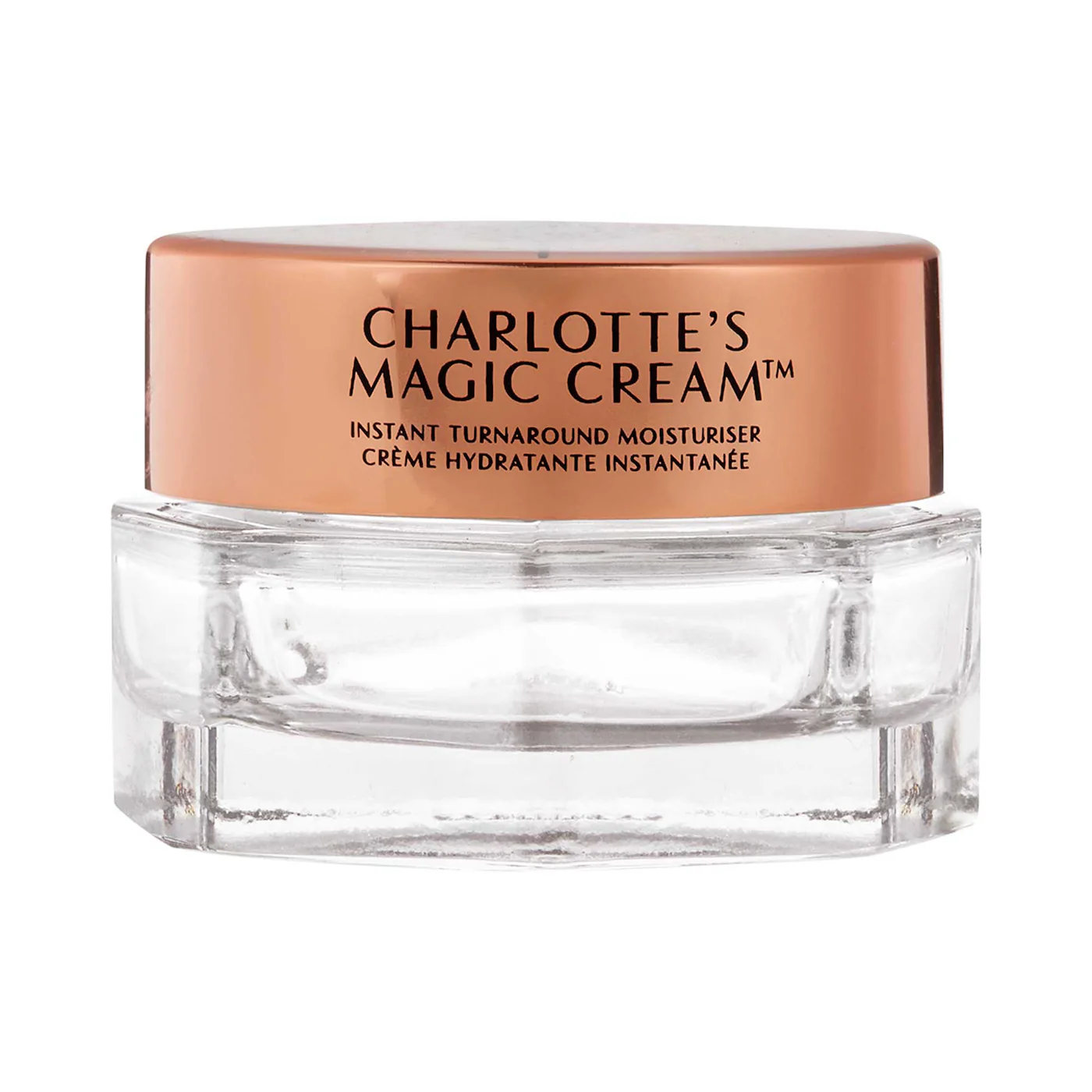
Charlotte Tilbury Magic Cream: Is It Really Magic? A Full Ingredient Review

Why Charlotte Tilbury Is So Popular

Since launching her brand in 2013, Charlotte Tilbury has become one of the most influential names in makeup and skincare.

Her mission is clearly stated on her website: to empower everyone to feel like the most beautiful, confident version of themselves through innovative formulas and the transformative power of beauty products.

But when it comes to her iconic Charlotte Tilbury Magic Cream, does the formula really live up to the hype?

Charlotte Tilbury Magic Cream ingredients

What the Brand Promises About the Magic Cream

On Charlotte Tilbury’s website, the Magic Cream is described as a blend of supercharged ingredients that hydrate, smooth, plump and brighten skin. Some highlights include:

  • Cushion & Lift Mesh Technology – Rosehip Oil, Oat Extract and emollients to soften skin and lift contours.
  • Vitamin C & E – To brighten and even skin tone.
  • Plump Effect Peptide Complex – To reduce fine lines and wrinkles.
  • Hyaluronic Acid – Up to 24 hours of hydration.
  • Aloe Vera – To calm and moisturise.
  • Frangipani Flower Extract – For moisture and a delicate scent.
  • Camellia Oil – For a dewy finish.
  • Shea Butter – To nourish and soften.

At first glance, the cream sounds like a purely natural, skin-friendly blend. But does the full ingredient list match this claim?

Charlotte Tilbury Magic Cream Ingredients List

Here is the official INCI list for Charlotte Tilbury’s Magic Cream:

AQUA/WATER/EAU, HOMOSALATE, GLYCERYL STEARATE SE, ETHYLHEXYL SALICYLATE, BUTYLENE GLYCOL, GLYCERIN, BUTYL METHOXYDIBENZOYLMETHANE, OCTOCRYLENE, CETYL ALCOHOL, C12-15 ALKYL BENZOATE, CYCLOPENTASILOXANE, DIMETHICONE, PHENOXYETHANOL, BUTYROSPERMUM PARKII (SHEA) BUTTER, STEARETH-21, AVENA SATIVA (OAT) KERNEL EXTRACT, CARBOMER, DIMETHICONOL, POTASSIUM CETYL PHOSPHATE, CHLORPHENESIN, CAPRYLYL GLYCOL, XANTHAN GUM, HYDROLYZED VIOLA TRICOLOR EXTRACT, ALLANTOIN, ALOE BARBADENSIS LEAF JUICE, DISODIUM EDTA, TOCOPHERYL ACETATE, CAMELLIA OLEIFERA SEED OIL, ROSA CANINA FRUIT OIL, ROSA DAMASCENA EXTRACT, SODIUM HYDROXIDE, HELIANTHUS ANNUUS (SUNFLOWER) SEED OIL, MICHELIA ALBA LEAF OIL, SODIUM LACTATE, COCO-GLUCOSIDE, PEG-8, ETHYLHEXYLGLYCERIN, SODIUM HYALURONATE, TOCOPHEROL, PALMITOYL TETRAPEPTIDE-7, PALMITOYL TRIPEPTIDE-1, ASCORBYL PALMITATE, PLUMERIA RUBRA FLOWER EXTRACT, ASCORBIC ACID, CITRIC ACID, NICOTIANA SYLVESTRIS LEAF CELL CULTURE, LINALOOL, CITRONELLOL, GERANIOL.

At first, we see skin-friendly basics like water, glycerin, and shea butter. But the cream also contains a number of controversial ingredients that raise questions.

Controversial Ingredients in Charlotte’s Magic Cream

A closer look reveals multiple debated substances:

  • Homosalate – A UV filter, suspected endocrine disruptor.
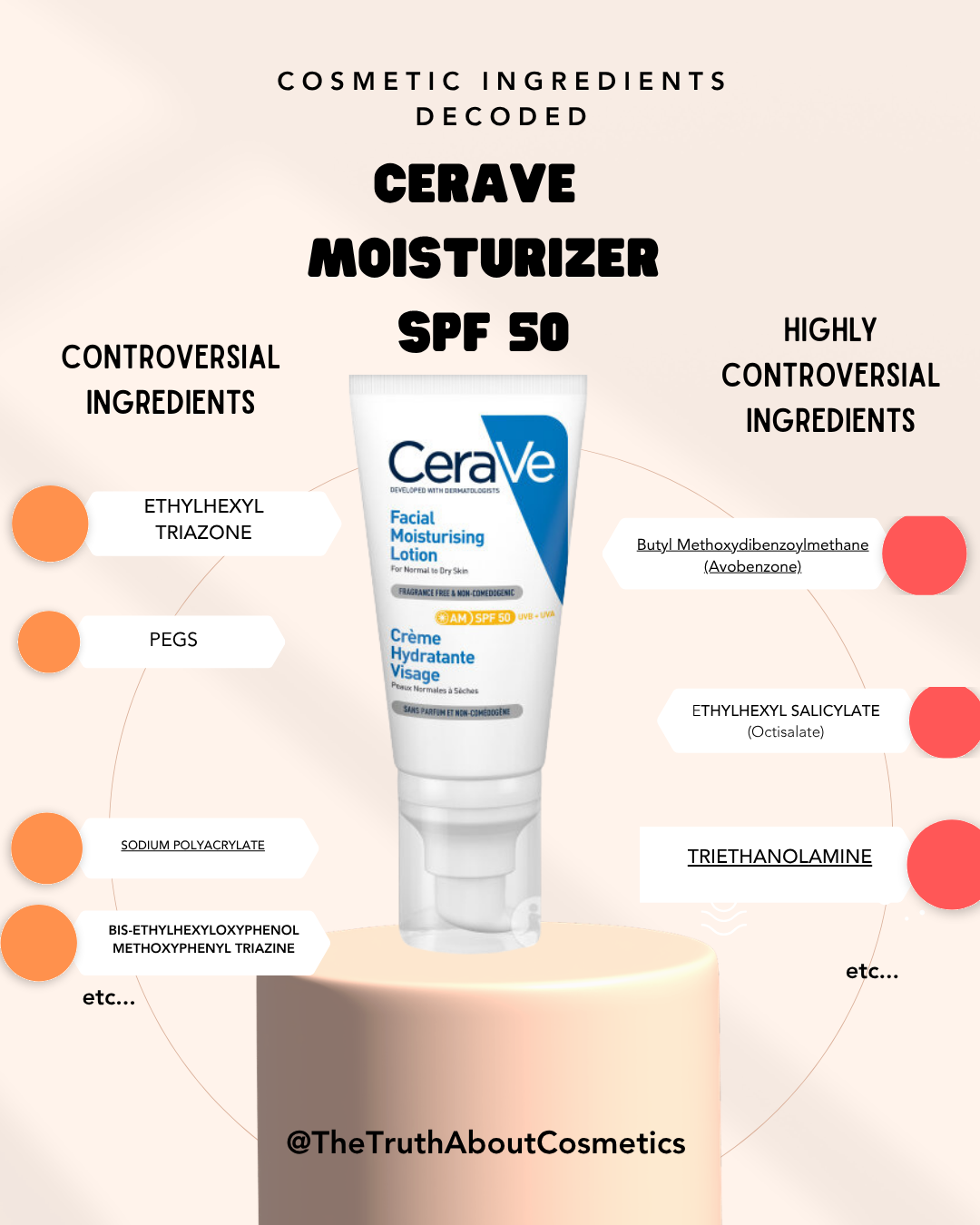
  • Ethylhexyl Salicylate (Octisalate) – Flagged for possible hormonal activity.
  • Butyl Methoxydibenzoylmethane (Avobenzone) – Chemical sunscreen under scrutiny.
  • Octocrylene – Linked to environmental toxicity and bioaccumulation.
  • Cyclopentasiloxane (D5) – Silicone, suspected endocrine disruptor.
  • Carbomer – Non-biodegradable, environmentally polluting.
  • Methyl Methacrylate Crosspolymer – A microplastic-like compound harmful to marine life.
  • Disodium EDTA – Environmentally persistent and non-biodegradable.
  • Phenoxyethanol – Preservative restricted in the EU for irritation risks.
  • Dimethicone & Dimethiconol – Silicones that are pollutants.
  • Chlorphenesin – Synthetic preservative, potential allergen, bioaccumulative.

Want Cleaner Beauty Products Without the Guesswork?


If you’re tired of wondering whether your skincare is truly safe, here’s what to focus on:

🔹Check the ingredient list — the secret is in the small print.

🔹Learn which labels and certifications actually mean something.

🔹Look for genuine natural or certified organic products that don’t include silicones, PEGs, or chemical sunscreens.

✨ To make things easier, we’ve launched an Online Workshop that shows you exactly how to shop smarter. Inside, you’ll discover how to:

Understand cosmetic ingredients (without needing a chemistry degree!)

Spot sneaky red flags hidden behind fancy marketing claims

Trust the right certifications while avoiding greenwashing

FAQ About Charlotte Tilbury’s Magic Cream

Q: What are the ingredients in Charlotte Tilbury’s Magic Cream?
A: The cream contains water, glycerin, shea butter, aloe vera, rosehip oil, but also chemical sunscreens, silicones, preservatives and other debated, highly controversial substances.

Q: Is Charlotte Tilbury Magic Cream safe to use?
A: It is legally approved for cosmetics, but it includes controversial ingredients like suspected endocrine disruptors, silicones, and non-biodegradable compounds.

Q: Is Charlotte Tilbury Magic Cream natural?
A: No. Despite marketing claims, most of the formulation relies on synthetic and chemical substances, not purely natural extracts.

Q: Is Charlotte Tilbury Magic Cream organic?
A: No. The formula would not meet standards for organic certifications such as COSMOS, Ecocert, or Soil Association.

Q: What are alternatives to Charlotte Tilbury Magic Cream?
A: Look for moisturisers certified by organic standards (COSMOS, Ecocert, Soil Association,  USDA organic, Natrue etc.) that exclude silicones, PEGs, and controversial sunscreens.

Triclosan is a synthetic antibacterial agent that continues to stir debate in both the scientific community and among conscious consumers. Once widely used in everything from toothpaste to hand soaps, this controversial chemical still lurks in a surprising number of cosmetic products sold in Europe—and beyond. But what exactly is triclosan ? Why is it so controversial ? 

And why, despite serious concerns, is it still allowed in products we use on our skin and in our mouths every single day?

Let’s dive deep into this troubling compound—and uncover why avoiding triclosan should be a priority for anyone who values their health and the planet.

⚠️ Health Concerns:

A Growing Body of Evidence

Over the years, numerous studies have raised serious health and safety concerns about triclosan:

1.Suspected Endocrine Disruptor 🚨

Triclosan has been found to interfere with hormonal systems, potentially leading to:

  • Breast and prostate cancers
  • Early puberty
  • Infertility
  • Obesity and diabetes

2. 🧬 Potential Carcinogen

Triclosan can react with chlorine in tap water, forming chloroform, a chemical listed by the IARC as a possible human carcinogen. It may also be contaminated with dioxins, which are highly toxic, persistent, and bioaccumulative in the environment and the food chain.

3. 🧑‍🤝‍🧑 Allergic Reactions and Immune Impairment

Exposure to triclosan has been linked to:

  • Skin rashes
  • Asthma
  • Respiratory issues

One study showed children with triclosan exposure were more likely to develop allergies than those not exposed.

Triclosan in cosmetics

4. 🍼 Triclosan in Breast Milk

A 2022 study from the University of California, San Diego published in Nature Communications found triclosan in human breast milk, potentially contributing to non-alcoholic fatty liver disease in newborns.

5. 🦠 Antibiotic Resistance

According to research published in Antimicrobial Agents and Chemotherapy, triclosan may promote the development of superbugs—bacteria resistant to antibiotics—by weakening the body’s natural defenses and letting resistant strains flourish, such as E. coli.

6. 🦴 Possible Link to Osteoporosis

A study in the Journal of Clinical Endocrinology & Metabolism suggested a possible link between triclosan exposure and osteoporosis in women, a condition that weakens bones.


The “Cocktail Effect”: Why Small Doses Matter

One of the most underestimated risks of triclosan is its role in the so-called “cocktail effect”: we are not exposed to one chemical at a time, but to hundreds—from personal care products, cleaning agents, food packaging, and pollution. Each may fall within “acceptable” limits, but combined, their effects can multiply, leading to unexpected health risks, especially to our endocrine, nervous, and reproductive systems.

Regulatory bodies continue to ignore this synergistic toxicity, making it even more crucial for consumers to stay vigilant.

Triclosan in toothpaste
Beauty products with triclosan

Triclosan & Triclocarban

Triclosan (and its cousin Triclocarban)  has been identified as an extremely problematic substance, both in Europe, the US and elsewhere… but can still be found in numerous products on the market today.

In 2017 The Florence Statement on Triclosan and Triclocarban documented a consensus of more than 200 scientists and medical professionals on the hazards of and lack of demonstrated benefit from common uses of triclosan and triclocarban.

 « Based on extensive peer-reviewed research, this statement concludes that triclosan and triclocarban are environmentally persistent endocrine disruptors that bioaccumulate in and are toxic to aquatic and other organisms. »

In Europe, Triclosan has been evaluated under REACH, resulting in its classification as an endocrine-disrupting substance. But the substance can still be found in beauty products today, even if its use has been restricted.

The following restrictions apply in EUROPE :

Max. 0.3% in toothpastes, hand soaps, body soaps and shower gels, deodorants (without sprays), facial powders and blemish correctors, nail products for cleaning fingernails and toenails prior to application of artificial nail systems. 

Not to be used in toothpastes intended for children under 3 years of age. Mandatory labeling for toothpastes containing triclosan: “Do not use in children under 3 years of age”.

The Limitations of Regulation, both in Europe (REACH) and the US (FDA)

REACH stands for Registration, Evaluation, Authorisation and Restriction of Chemicals and entered into force on 1 June 2007 in Europe. REACH places responsibility on industry to manage the risks from chemicals and to provide safety information on the substances. The regulation lays down a number of provisions and obligations for producers and importers of chemical substances, reversing the burden of proof from the public authorities to industry. In other words, it is now up to industry to demonstrate that its substance can be used without risk to human health or the environment.

Regulatory bodies, such as REACH in Europe and the FDA (Food and Drug Administration) in the United States, play a crucial role in safeguarding consumers by setting standards for cosmetic ingredients. But substances are often evaluated and regulated on different terms on an international level. One significant case that highlights the disparity in regulatory evaluation is Triclosan.

FDA  (US) approach on Triclosan 🇺🇸 

The United States for instance has taken a different approach. While the FDA has banned triclosan in over-the-counter antibacterial hand soaps, its use in other cosmetic and personal care products is not similarly restricted. 

Triclosan remains legal in:

  • Toothpastes 
  • Mouthwashes
  • Medical-grade soaps
  • Consumer goods like cutting boards, plastics, and fabrics

🚫 This partial ban creates a false sense of security, especially since no limits apply to its use in non-cosmetic consumer products like toys or kitchenware.

When it comes to Triclosan the European approach seems more restrictive.  But it’s not always as simple as that.

The limitations, within the REACH system 

There are considerable limitations, even within the REACH system : many potentially toxic substances already on the market have not yet been assessed or regulated as strictly as they should.

The varying standards between regions also raise concerns about the consistency of protection afforded to consumers and highlight the need for harmonized global regulations.

And simply « restricting » an identified endocrine disruptor within products won’t be enough, especially if we take the « cocktail effect » into account.

📢 Time to Act

In 2017, over 200 scientists and health professionals called for a global ban on triclosan and triclocarban, citing their ineffectiveness and unacceptable health and ecological risks.

Yet here we are, years later, still finding triclosan in our toothpaste, deodorants, and body washes. It’s time to ask: Who is this really serving? 

Not our health, not our children, and certainly not the planet.


🌿 Are there any alternatives ?

Luckily, yes

There is a large panel of non toxic preservatives, like the ones used in certified organic cosmetics, for instance, that could be used instead of triclosan.

Tip : Choose Certified Brands and « certified organic »- products – brands which have certification seals from respected organic regulatory bodies. Brands with certifications, such as USDA Organic, COSMOS, Cosmébio, BDIH, NATRUE, SOIL Association, AIAB, Ecocert, etc have stricter ingredient policies.


Alternatives to Triclosan in Beauty Products

✅ WHAT CAN YOU DO?

  • Read the label: Look for “Triclosan” or “Irgasan” in the ingredients.
  • Use certified organic products: Look for COSMOS, Ecocert, USDA Organic, Soil Association or Natrue labels, etc.
  • Avoid antibacterial claims: They often mean synthetic agents are used.
  • Reduce your chemical load: Especially in products that go into the mouth or on broken skin

Supporting brands that are transparent and committed to safe formulations is one of the most powerful things we can do as consumers.

Consult our independent, free ingredient list tool, to check your products.


 References & sources

1. [Nature Communications – UC San Diego (2022)] 

2. [Antimicrobial Agents and Chemotherapy (2020)] 

3. [Journal of Clinical Endocrinology & Metabolism

4. [EHP – Scientific Statement on EDCs (2017)] 

5. [NCBI – Triclosan and Childhood Allergies]

6. [ScienceDaily – Triclosan in Dolphins & Whales (2021)] 

7 . l’Association Santé Environnement France (ASEF),

How to choose cosmetics

Learn How to Choose Safe and Clean Beauty Products

🌿 Struggling to decode beauty labels or pick products that are truly safe?
Our new online workshop is here to help you make informed choices for your skin, health, and the planet.

What you’ll learn:

  • How to read cosmetic ingredient lists like a pro
  • Why simply spotting “toxic ingredients” isn’t enough
  • What cosmetic certifications and eco-labels really mean
  • Which ingredients to look for—and which to avoid
  • How to choose an, effective, and environmentally-friendly routine
  • 💡 Whether you’re shopping for natural skincare, non-toxic makeup, or sustainable hair care, this workshop empowers you to choose the right beauty products with total confidence.

🎓 Get educated. Get empowered. Go natural.

Just going «fragrance-free » and avoiding parabens or phthalates is not enough…

But why ?

In the pursuit of healthier living and conscious consumerism, many individuals are turning their attention to the ingredients list on cosmetic products. Recognizing the potential harm of certain chemicals, consumers have become adept at avoiding well-known toxic ingredients. Fragrance-free cosmetics are not necessarily safe.

Relying solely on these recognized harmful substances is a limited approach.  There’s a deeper issue at play—the vast array of problematic ingredients that remain unregulated. This article explores why avoiding just a couple of harmful or toxic ingredients in cosmetics is not enough and delves into the unpredictable nature of unqualified, potentially toxic substances that might be lurking in our beauty products.

Hidden Hazards:

The cosmetics industry is a constantly evolving landscape, with new ingredients and formulations developed to meet changing consumer demands. The downside is that not all of these innovations undergo rigorous testing before hitting the shelves—even though there are significant differences on this point between Europe and the US.

But the problem remains the same on an international level: a large amont of tested substances that have identified health hazards still remain available for cosmetic formulations, sometimes with restrictions.

Consequently, consumers may be exposed to unforeseen health risks, especially when considering the potential synergistic effects of various chemicals present in a single product. Certain ingredients may have a limited potential toxicity on their own, but when combined with other problematic substances present in a product, they can create a harmful cocktail – known in the scientific community as the «cocktail effect». Without comprehensive testing of every possible combination, it becomes nearly impossible to predict the long-term effects of using a particular cosmetic product.

The Unseen Threat:

Consumers often focus on avoiding ingredients with well-documented harmful effects, such as parabens, phthalates, and fragrances, also because these are the substances that have come up a lot in the media lately. While this is a positive step, it’s crucial to recognize that the absence of these ingredients on a product label does not guarantee safety. Unregulated and under-researched substances may present risks that are not immediately apparent.

Additionally, the concept of “greenwashing” has become prevalent in the cosmetics industry, where products are marketed as «natural» or « formulated with organic ingredients », despite containing potentially harmful ingredients. This misdirection further complicates the task of informed decision-making for consumers.

Why Going Fragrance-Free Isn’t Enough to Avoid Potentially Toxic Ingredients in Cosmetics

As consumers become more informed about the chemicals in personal care products, “fragrance-free” has become a popular choice for those looking to reduce exposure to potentially toxic ingredients. While fragrance-free products are often safer for sensitive skin and a step toward minimizing certain allergens and endocrine disruptors like phthalates, this mention alone doesn’t guarantee safety from all harmful chemicals.

Toxic ingredients in fragrance-free cosmetics

Many products, even fragrance-free ones, may still contain concerning substances, including endocrine disruptors and PFAS (per- and polyfluoroalkyl substances), that carry long-term health risks.

fragrance-free cosmetics can be misleading
Fragrance-free cosmetics : not necessarily "safe".

Fragrance-free cosmetics are not necessarily “safe”.

When people choose fragrance-free products, they’re generally avoiding synthetic fragrances and perfumes known to cause skin irritation, allergic reactions and more serious health issues linked to endocrine disruption (phthalates = identified endocrine disruptors).

Fragrance-Free vs. Toxin-Free: Understanding the Difference

Unfortunately, even without added fragrance, these products may still contain chemical preservatives, plasticizers, ado dyes, microplastics and numerous other problematic synthetic chemicals. Endocrine-disrupting chemicals (EDCs), for example, are commonly found in cosmetics and can interfere with the body’s hormonal system, potentially leading to health problems like hormonal imbalances, reproductive issues, developmental disorders and more.

PFAS are another family of chemicals often overlooked in cosmetic products. These “forever chemicals” are valued for their durability and water-resistant properties, but they don’t break down easily and can accumulate in the body.  Some PFAS fall again into the endocrine disrupting category: PFAS exposure has been linked to immune system suppression, certain cancers, and other health risks.

But there are numerous other controversial, potentially toxic ingredients that can still be found in conventional cosmetics today.

Let’s take a substance like Triclosan -an antibacterial agent and preservative- as an example.

Triclosan (and its cousin Triclocarban)  has been identified as an extremely problematic substance, both in Europe, the US and elsewhere… but can still be found in numerous products on the market today.

In 2017 The Florence Statement on Triclosan and Triclocarban documented a consensus of more than 200 scientists and medical professionals on the hazards of and lack of demonstrated benefit from common uses of triclosan and triclocarban.

 « Based on extensive peer-reviewed research, this statement concludes that triclosan and triclocarban are environmentally persistent endocrine disruptors that bioaccumulate in and are toxic to aquatic and other organisms. »

In Europe, Triclosan has been evaluated under REACH, resulting in its classification as an endocrine-disrupting substance. But the substance can still be found in beauty products today, even if its use has been restricted.

Triclosan, once a common ingredient in antibacterial soaps and other personal care products, has been a subject of scrutiny due to its potential environmental and health risks. Consequently, Triclosan is restricted in cosmetic products in the EU. 

The following restrictions apply :

Max. 0.3% in toothpastes, hand soaps, body soaps and shower gels, deodorants (without sprays), facial powders and blemish correctors, nail products for cleaning fingernails and toenails prior to application of artificial nail systems. Not to be used in toothpastes intended for children under 3 years of age. Mandatory labeling for toothpastes containing triclosan: “Do not use in children under 3 years of age”.

The Limitations of Regulation, both in Europe (REACH) and the US (FDA)

REACH stands for Registration, Evaluation, Authorisation and Restriction of Chemicals and entered into force on 1 June 2007 in Europe. REACH places responsibility on industry to manage the risks from chemicals and to provide safety information on the substances. The regulation lays down a number of provisions and obligations for producers and importers of chemical substances, reversing the burden of proof from the public authorities to industry. In other words, it is now up to industry to demonstrate that its substance can be used without risk to human health or the environment.

Regulatory bodies, such as REACH in Europe and the FDA (Food and Drug Administration) in the United States, play a crucial role in safeguarding consumers by setting standards for cosmetic ingredients. But substances are often evaluated and regulated on different terms on an international level. One significant case that highlights the disparity in regulatory evaluation is Triclosan.

FDA  (US) approach on Triclosan

The United States for instance has taken a different approach. While the FDA has banned triclosan in over-the-counter antibacterial hand soaps, its use in other cosmetic and personal care products is not similarly restricted. 


When it comes to Triclosan the European approach seems more restrictive.  But it’s not always as simple as that.

The limitations, within the REACH system 

There are considerable limitations, even within the REACH system : many potentially toxic substances already on the market have not yet been assessed or regulated as strictly as they should. The varying standards between regions also raise concerns about the consistency of protection afforded to consumers and highlight the need for harmonized global regulations.

And simply « restricting » an identified endocrine disruptor within products won’t be enough, especially if we take the « cocktail effect » into account.

fragrance-free cosmetics are not necessarily safe

Fragrance-free cosmetics are not necessarily “safe”.

How to Choose Truly Safer Cosmetics

For consumers who want to avoid not only fragrance and just a couple of problematic, potentially toxic chemicals, here are a few steps to consider:

1. Educate Yourself on Controversial Ingredients

Read Beyond Labels: Start your journey by getting informed about controversial ingredients commonly found in beauty products. You can our website’s free INCI research tool and dive deeper into the subject with the different articles on the website.

2. Educate Yourself on Endocrine Disruptors

Endocrine disruptors are harmful chemicals present in various beauty products. These chemicals can interfere with your hormonal balance and potentially lead to serious health issues. It is never enough to choose products labeled as « paraben-free » « fragrance free», etc as the products can still contain other endocrine disruptors or harmful ingredients. Certified organic cosmetics however, provide more guarantees, endocrine disruptors are simply not allowed in the formulation process by the different labels. If the product is not certified, make sure to check the ingredient list.

 3. Avoid Silicones and mineral-oil derived ingredients (Petrolatum, Paraffinum etc)

Silicones are commonly used in beauty products to create a smooth texture and long-lasting effects. However, they represent a huge toll on the environment, as they are not biodegradable. Some silicones (such as cyclopentasiloxane (D5), for example) are also considered endocrine disruptors. Mineral oils are also widely used in cosmetics today, as they are less expensive than plant-based oils or waxes. These mineral oils used in cosmetics are derived from petroleum (= fossil fuels) and also represent a disastrous ecological balance sheet. Moreover, mineral oils do not offer the same “skincare quality” as genuine plant-based oils or waxes, and can pose problems on a number of levels. For example, they may contain problematic impurities such as MOSH and MOAH. These are aromatic hydrocarbons, substances classified as potentially carcinogenic, with a problem of accumulation in tissues. Again, silicones and mineral oil derived ingredients are not allowed in certified organic cosmetics.

 4. Stay Away from PFAS (Perfluoroalkyl Substances)

PFAS (also known as « Forever Chemicals »)  are a group of chemicals used in many industries, including cosmetics. They have been linked to adverse health effects and are extremely persistent in the environment. This is a tremendous environmental concern, which of course concerns many other industries. Check the ingredient list for PFAS-related compounds like PTFE or perfluorooctanoic acid (PFOA) and educate yourself on the subject as well.

5. Be mindful of certain synthetic Preservatives

Preservatives are essential to prevent the growth of harmful bacteria and extend the shelf life of cosmetics. However, some synthetic preservatives, such as formaldehyde releasers or phenoxyethanol have been linked to skin irritations and allergies and other more serious health concerns. Others fall into the category of endocrine disruptors (some parabens, triclosan, BHT etc).

6. Embrace Organic (certified!) Cosmetics

Choose Certified Brands and « certified organic »- products – brands which have certification seals from respected organic regulatory bodies. Brands with certifications, such as USDA Organic, COSMOS, Cosmébio, BDIH, NATRUE, SOIL Association, AIAB, Ecocert, etc have stricter ingredient policies.

5. Use Reliable Apps and Resources :

Besides the ressources you can find on our website : ingredient lists, in-depth articles, additional informations, (both available in french and english) tools like the EWG Skin Deep database provide information on potentially harmful ingredients, helping consumers make more informed choices.

Conclusion:  Beyond “Fragrance-Free” A Step Toward Safer Cosmetics

In the quest for safer cosmetics, it’s essential to go beyond avoiding a couple of well-known harmful ingredients. The ever-expanding list of cosmetic ingredients, coupled with the limitations of regulatory processes, underscores the need for a more vigilant and informed approach to beauty product choices.

Why fragrance-free cosmetics are not necessarily safe

Consumers should advocate for stronger regulations, increased transparency, and more rigorous testing of cosmetic ingredients. By supporting brands that prioritize safety and disclosure, individuals can contribute to a shift in industry standards. Ultimately, a comprehensive understanding of the potential risks associated with cosmetic ingredients will empower consumers to make informed choices, ensuring that the pursuit of beauty doesn’t compromise health.

Going fragrance-free and avoiding parabens and phthalates can be a good start toward reducing chemical exposure, but it’s not a complete solution for avoiding toxic ingredients. By staying informed about potentially harmful chemicals like endocrine disruptors and PFAS, reading labels carefully, and using resources that prioritize ingredient safety, consumers can make better choices and move closer to genuinely safer skincare and personal care routines.

❓ FAQ Fragrance-free cosmetics : are they safer ?

Are fragrance-free cosmetics always safer?

No. A fragrance-free label only indicates the absence of added perfume. These products may still contain endocrine disruptors, PFAS, acrylates, microplastics, silicones, and many other controversial ingredients.


Why is focusing only on fragrance misleading?

Because fragrance is just one potential issue among many. Cosmetic safety depends on the entire formulation, not on a single excluded ingredient.


Can fragrance-free products contain endocrine disruptors?

Yes. Many fragrance-free products still include substances suspected or known to disrupt hormonal balance, such as certain preservatives, UV filters, or synthetic polymers.


Are PFAS and microplastics found in fragrance-free cosmetics?

Absolutely. These substances are unrelated to fragrance and can be present in fragrance-free formulations for texture, stability, or performance.


How should consumers evaluate cosmetic safety properly?

By analyzing the full INCI list, understanding ingredient functions, and avoiding a single-criterion approach such as “fragrance-free” alone.

misleading cosmetic labels

Endocrine disruptors in cosmetics and beauty products : how to avoid them?

Some basic explanations about the endocrine system:

The endocrine system is the system in the human body that includes all the organs and tissues secreting hormones. Besides other factors, our health depends on the proper functioning of this endocrine system. The system is made up of several organs called hormonal glands (composed of endocrine cells), which produce hormones and then release them into the bloodstream. These hormones act as “chemical messengers”, circulating throughout the body.

The hormonal system

Hormones have a variety of essential functions; they stimulate growth and development, regulate impulses and moods, control major physiological basic functions (e.g. body temperature, blood sugar levels, blood pressure).  This also means that the balance of our organism or our health as a whole can be strongly impacted if this system is disturbed or if anything interferes with it.

How endocrine disruptors work, Video Hormone Health Network

Endocrine disruptors ; what exactly are they ?

How to avoid endocrine disruptors

Endocrine disruptors are sometimes of natural origin (hormones and phyto-oestrogens), and often artificial, i.e. product ingredients from the chemical industry or components of numerous everyday objects (e.g. cosmetics, pesticides, detergents, plastics, furnishing, medicine, textiles, etc.).

What is their impact on health?

Endocrine disruptors can impact health on several levels, for example by:

  1. Modifying the natural production of our intrinsic hormones (oestrogen, testosterone) by interfering with their synthesis, transport or breakdown mechanisms
  2. Mimicking the action of these hormones by substitution (also sometimes referred to as “hormone-like” in the biological processes they control)
  3. Blocking or preventing the action of these hormones, by attaching themselves to the receptors with which they usually interact

Endocrine Disruptors : what are they?

Hormonal interferences

And all these hormonal interferences can sooner or later be linked to important health problems such as:

  • infertility problems
  • hormone-dependent cancers
  • genital malformation at birth**
  • other diseases such as diabetes/obesity, etc.
    **Ref: the conclusion of Professor Sultan’s work (in French):

Another concern: endocrine disruptors are problematic and active even at low doses, according to various studies*:

The question of ” low dose” exposure

Usually, below a certain level of exposure, the body’s defence mechanisms prevent the appearance of effects on health. This is known as the threshold effect. For certain dangerous substances such as carcinogenic molecules, it has been observed that there is sometimes no threshold effect, at least on a population scale, and therefore effects are possible even at low doses. Endocrine disruptors are suspected of acting in the same way.

Endocrine disruptors : where can they be found ?
Where can we find endocrine disruptors?

Which products can contain endocrine disruptors?

Endocrine disruptors examples

Endocrine disruptors can be found in a large number of everyday products (furnishing, textiles, cosmetics, toys, clothing, and also food), such as:

  • phthalates or bisphenol A used in plastics
  • pesticides in food*
  • cosmetic ingredients (some parabens, triclosan, UV filters, alkylphenols, BHT etc.)
  • organochlorine compounds (DDT, chlordecone, etc.) used in plant protection products
  • flame retardants (found, for example, in new furniture)
    * In France, the non-profit organisation “Générations Futures” is doing a remarkable job of collective mobilisation against pesticides and deserves our support.

Cosmetics & Endocrine Disruptors

What about endocrine disruptors in personal care products?

In cosmetics, endocrine disruptors (known or confirmed) can be found in the following segments, for example:

  • Hair dyes
  • Creams & lotions (face, body, etc.)
  • Suncare products
  • Deodorants
  • Make-up
  • Dental hygiene
  • Fragrances
  • Products for Children & Babies
  • etc

Endocrine disruptors & cosmetics

(*suspected or proven)

By way of example – cosmetics endocrine disruptors list

❌ non-exhaustive list!

❌ Most INCIs can also be found in multiple categories!

                                                                           INCI                                                     product categories                         allowed in Europe ?

Certain Synthetic Preservatives
  • Propylparaben
  • Butylparaben
  • Methylparaben
  • Isobutylparaben
  • BHT
  • BHA
  • Triclosan
  • Triclocaraban
  • Climbazole,
  • Benzotriazole

 All beauty products

Cosmetic products

 Yes, partially restricted
Some Synthetic Sunscreens/ UV filters
  • Benzophénone,
  • Homosalate,
  • Octocrylene,
  • 4-Methylbenzylidene Camphor
  • 2-Ethylhexyl salicylate (Octylsalate)
  • Ethylhexyl methoxycinnamate,
 Sunscreen products, face creams, Make up products Yes, partially restricted
Some skincare ingredients
  • Genistein,
  • Daidzein
  • Trimethylbenzoyl diphenylphosphine oxide
  • silicones (below)


Face Creams, Lotions, etc Yes, partially restricted
Certains silicones
  • Octamethylcyclotetrasiloxane (D4)
  • Cyclopentasiloxane (D5)
  • Cyclohexasiloxane (D6)


Face Creams, Lotions, all other products,etc Yes, partially restricted
Certains hair dyes or other cosmetic ingredients
  • Resorcinol
  • Triphenyl phosphate (TPHP)
  • Salicylic Acid

 Hair dyes, haircare, make up, etc

 Yes, partially restricted

Certains fragrances

(ou cosmetic ingredients added to perfumes & fragrances)


  • Butylphenyl Methylpropianol
  • Dibutyl phtalate,
  • Diisobutyl phthalate (DIBP)
  • Dichloromethane
  • Hexamethylindanopyran (Galaxolide)
  • Benzyl salicylate


 Fragrances, perfumes, etc

 Yes, partially restricted

* SOURCES : ECHA /EDLIST/ EWGSkinDeep + other independent scientific sources

This list…. is perfectly…. incomplete, as many substances are currently being evaluated or are the subject of controversy in the scientific community. So there’s no need to learn it by heart, as other substances will certainly be added to the list of controversial or pre-occupying substances in the years to come – depending on scientific research, in particular. The various ingredients can of course be found in all different product categories.

What about endocrine disruptors in cosmetics

Are endocrine disruptors problematic for everyone?

Endocrine disruptors are a problem for EVERYONE, but pregnant women, foetuses, children and people with weakened immune systems are the most at risk. It is important to note, for example, that a pregnant woman’s exposure to endocrine disruptors can have repercussions on her child’s health, even if the effects do not appear until several years after birth. In 2016, a study by Santé Publique France (the French public health agency) confirmed the presence of traces of endocrine disruptors in almost all the pregnant women tested during a large-scale survey, the first of this scale in France to have been carried out on these substances.

“The study, published on Wednesday 7 December 2016 by Santé Publique France, measured the presence of various organic pollutants in the urine of more than 4,000 French women who gave birth in 2011. The result: “Bisphenol A, phthalates, pyrethroids (a family of insecticides), dioxins, furans, PCBs, flame retardants and perfluorinated compounds” were detected “in almost all pregnant women”, explains the French public health agency, which was commissioned by the Ministry of Health for this survey. For example, bisphenol A was present in more than 70% of the participants, phthalates in 99.6% of them, dioxins, furans and PCBs were detected in… 100% of cases!

As far as cosmetic products are concerned, there are unfortunately still too many substances of concern (endocrine disruptors and other controversial substances), even in products for pregnant women, children or toddlers, as demonstrated by the various product tests on the site.

Endocrine disruptors : why not just ban them ?
Why not just ban endocrine disruptors, then?

After all … why not simply ban endocrine disruptors, in that case?

On the one hand, there is no common European regulatory definition, even if many efforts have been put in place since 2017.

And above all, between the first scientific warnings and the bans on substances (be they cosmetic ingredients or pesticides, for that matter) several years can go by. 

This is partly because the administrative processes are cumbersome and complex, but also because the industry concerned will of course oppose them with all means (lobbying). The regulation of chemical substances is governed by the REACH Regulations, which applies without transposition in all EU Member States. It states that substances with endocrine disrupting properties and “presenting a level of concern equivalent to CMR substances (carcinogenic – mutagenic – toxic for reproduction)” may be identified as substances of very high concern, and thus be included on the list of substances subject to authorisation.

Legislation in Europe

At the European level, the official list available on the ECHA website is regularly updated and concerns substances potentially considered as endocrine disruptors under evaluation or already evaluated:

Regulatory framework: more information on the subject can also be found on the INRS website (in french):

To date, the absence of specific regulations applicable to endocrine disruptors is explained by the lack of a common and official regulatory definition for all European legislation. Indeed, a European regulatory definition was adopted in September 2017, for endocrine disruptors used as biocidal active ingredients (Delegated Regulation No 2017/2100 of 4th September 2017) and then in April 2018 for those used as pesticides (Commission Regulation 2018/605 of 19th April 2018). However, to date, this definition has not yet been included in the framework of the other European regulations on chemicals (REACH and CLP)

EDLIST created in 2020 : a European website listing endocrine disruptors

Five European countries initiated this project, intended to establish a list of proven or suspected disruptive substances.

Launched on 2 June 2020, the edlists.org website lists the substances recognised as endocrine disruptors in the European regulation on chemical products. This site is the result of cooperation between Belgium, Denmark, the Netherlands, Sweden and France. In France, the French Health Security Agency (Anses) undertook to publish a list of all endocrine disruptors by 2021. This list classifies the molecules into three categories: “suspected”, “presumed” and “proven”,

What about CMR (carcinogenic, mutagenic and toxic to reproduction) substances ?

In some cases, “banned” substances (which includes certain endocrine disruptors) can be exempted and therefore remain in circulation, as also stated by the FEBEA*, the french cosmetics industry federation.”According to the European Cosmetics Regulation (No. 1223/2009), CMR substances are banned in cosmetics “because of their hazardous properties”. However, since a hazardous property of a substance does not necessarily entail a risk, there are exceptional cases where these ingredients can be used. For example, a substance classified in category 2 can be used in cosmetic products if it has been assessed by the European Scientific Committee on Consumer Safety (SCCS) and found safe for use in cosmetic products. Similarly, CMR substances of category 1A or 1B may be used in cosmetic products if they comply with food safety requirements, if there are no suitable alternative substances and if the SCCS has considered their use for a particular purpose as safe.”

What about essential oils, are they part of the problem?

It seems that some essential oils could also concerned by this issue?

There are of course plants or essential oils (derived from plants) that have recognised and `proven effects on the hormonal system. These properties have been identified a long time ago and this, among other reasons, is why they are used. This also means that these plants or essential oils are accompanied by restrictions on their use: sage or peppermint essential oils, to name but one example, are to be prescribed during pregnancy. These plants or essential oils will therefore be used in very specific therapeutic settings. For further studies on essential oils, the Essential Oils Consortium* (in French) is a valuable source of information. The problem of synthetic endocrine disruptors is very different: these are substances with very specific properties (preservative, pesticide, etc.) that interfere “incidentally” with the hormonal system in quite a serious way.

So how can we avoid endocrine disruptors in our daily lives?

As a result, it cannot be stressed enough that the problem of endocrine disruptors does not ONLY concern certain cosmetic ingredients, but a large part of everyday objects and our food: avoiding pesticides in food, by favouring organic farming, is already a step in the right direction. But it is really our daily consumption choices that will help us avoid adding endocrine disruptors to those already present in numerous products on the market, today.

As a result, to avoid endocrine disruptors in cosmetics,

Here are some steps you can take:

  • Read ingredient labels and check your products with our free INCI research tool
  • Choose natural and organic (certified) products: Look for certifications from reputable organizations like COSMOS, Ecocert, BDIH, Natrue, Soil Association, Cosmébio, USDA Organic, as they have strict standards for ingredient safety.
  • Avoid certain product categories: Some products are more likely to contain endocrine disruptors. Be cautious with cosmetics such as nail polishes, hair dyes, as they tend to have higher levels of EDCs. Consider safer alternatives or reduce their use.
  • Research brands: Look for brands that prioritize ingredient safety and transparency. Visit their websites, read reviews, and look for any commitments to avoid endocrine disruptors.
  • Educate yourself: Stay informed about emerging research and information regarding endocrine disruptors. Understanding the potential risks and new developments will help you make more informed choices when purchasing cosmetics.

Remember, while avoiding endocrine disruptors in cosmetics is a step towards reducing exposure, it’s important to consider other sources of EDCs in your environment, such as household cleaners, clothing, furniture food containers, and water bottles. Taking a holistic approach to reduce exposure to EDCs can help protect your health and well-being.

More information in this interview with Aromathèque (in French) about endocrine disruptors in cosmetics:

Explore similar articles on the website about cosmetic ingredients.

SOURCES

  • OMS : https://www.who.int/publications/i/item/9789241505031
  • SANTE PUBLIQUE FRANCE : https://www.santepubliquefrance.fr/determinants-de-sante/exposition-a-des-substances-chimiques/perturbateurs-endocriniens/articles/que-sont-les-perturbateurs-endocriniens
  • TEDX  EN : https://endocrinedisruption.org/interactive-tools/tedx-list-of-potential-endocrine-disruptors/search-the-tedx-list
  • GENERATIONS FUTURES : https://www.generations-futures.fr/publications/perturbateurs-endocriniens/
  • ED LIST / https://edlists.org/?fbclid=IwAR2St_mumKgzevj5MR81QucYxiHD1KMaMD5D0KQ_trDrKolyriZoIgLzKOQ
  • ECHA : https://echa.europa.eu/fr/ed-assessment
  • DANISH Ministry  https://i2.cdn.turner.com/cnn/2016/images/04/14/978-87-93352-82-7.pdf
  • CANCER ENVIRONNEMENT : https://www.cancer-environnement.fr/fiches/expositions-environnementales/perturbateurs-endocriniens/
  • CHEMTRUST : https://chemtrust.org/

******

FAQ Endocrine Disruptors


❓ What are endocrine disruptors in cosmetics?

Endocrine disruptors are chemical substances that can interfere with the hormonal system. In cosmetics, they may be present in preservatives, fragrances, UV filters, or plastic-derived compounds.

❓ Why are endocrine disruptors a concern in cosmetic products?

Repeated exposure to endocrine disruptors has been associated with health effects, including hormonal imbalance and long-term health risks, especially for vulnerable populations.

❓ Which cosmetic ingredients are suspected endocrine disruptors?

Some commonly discussed substances include certain parabens, phthalates, synthetic musks, UV filters, and PFAS compounds. Their presence depends on product formulation and regulation.

❓ How can consumers avoid endocrine disruptors in cosmetics?

Reading ingredient lists (INCI), limiting the number of products used daily, choosing certified products, and avoiding unnecessary fragrances can help reduce exposure.

❓ Are natural or organic cosmetics free from endocrine disruptors?

Certified natural and organic cosmetics prohibit endocrine-disrupting substances, the main problematic is more on the conventional cosmetics side.

❓Are all parabens and UV filters considered endocrine disruptors?

Not all parabens or UV filters are confirmed endocrine disruptors. Some are only suspected or still being evaluated. The effect depends on the specific compound, its concentration, and how it interacts with hormone systems. Checking updated regulatory assessments can help identify higher-risk substances.

❓How can I tell if a cosmetic product contains endocrine-disrupting chemicals?

The best way is to read the ingredient list carefully and look for substances such as certain parabens, phthalates, certain UV filters.  However the issue is a bit more complex than just avoiding “a couple of ingredients”. Certifications or databases like ours our from health or environmental organizations can also help identify safer alternatives.

❓ Can endocrine disruptors accumulate in the body over time?

Some endocrine-disrupting substances can bioaccumulate, meaning they build up in the body or environment with continuous exposure. This long-term accumulation is why reducing daily exposure from multiple products is recommended, even when individual doses seem low.

***

Article update : 12/2025

PFAS – Forever Chemicals

In this society concerned by low quality items, that sometimes don’t even last a year, we  usually appreciate « things that last forever »… except when it comes to chemicals, probably…In this article, we will be tackling the question of a specific category of substances, PFAS,  (also called «Forever Chemicals» – initially named as such by Joseph Allen de Harvard) because of their persistence in the environment.

PFAS cosmetics Europe : France lawmakers vote to ban ‘forever chemicals’

In April 2024 French MPs approved the first reading of a bill aimed at restricting the manufacture and sale of non-essential products (except in cooking utensils) containing PFAS or “forever chemicals”, marking a significant step in environmental health protection. The ban also applies to cosmetic products.

PFAS -Those widespread “Forever Chemicals”

PFAS (per-and poly fluoroalkyl substances) is a chemical family consisting of at least 5,000 individual substances. As a result of their widespread use and persistence, PFAS are being found to be present in many different environments.

“Forever Chemicals”  PFAS in cosmetics

A study published in 2021 in Environmental Science & Technology Letters also linked the general problematic of PFAS to the cosmetic sector. The researchers found high fluorine levels—indicating the probable presence of PFAS—in most waterproof mascara, liquid lipsticks, and foundations tested :The problem with cosmetic products is that on the one hand some products intentionally include ingredients that qualify as PFAS (see the list of INCIs below) and on the other hand PFAS are also sometimes found in analyses of conventional cosmetic products, without being clearly displayed on the products, according to a Green Science Policy Institute study on PFAS dating from June 2021

« Many cosmetics sold in the United States and Canada likely contain high levels of per- and polyfluoroalkyl substances (PFAS), a potentially toxic class of chemicals linked to a number of serious health conditions, according to new research from the University of Notre Dame. Scientists tested more than 200 cosmetics including concealers, foundations, eye and eyebrow products and various lip products. According to the study, 56 percent of foundations and eye products, 48 percent of lip products and 47 percent of mascaras tested were found to contain high levels of fluorine, which is an indicator of PFAS use in the product. The study was recently published in the journal of Environmental Science and Technology Letters. » *

Some cosmetic brands intentionally add PFAS to make cosmetics last longer and spread easily. PFAS can also sometimes be found cosmetics through cross-contamination, such as machinery used in manufacturing or plastic packaging that contains PFAS.

What are Forever Chemicals ?

Other Studies also reveal the presence of PFAS in different everyday products

In addition to that, another study by Katherine E. Boronow and her team, published in the Journal of Exposure Science & Environmental Epidemiology in 2019, for instance reveals the presence of “perfluoroalkyl” and “polyfluoroalkyl” substances in certain dental products products. In dental floss, in particular, although it is not the only source of PFAS, as the study makes clear.

Environmental Concerns

First of all, keep in mind that PFASs, also called « Forever Chemicals », are among the synthetic substances that are are considered (among other things) extremely problematic from an environmental point of view. Some PFAS have recently made the headlines, as they can now even be traced in rainwater, making it ‘unfit for consumption’, according to recents studies*.

Let’s get back to the basics – What exactly are PFAS

PFASs, poly- and perfluoroalkyl substances, are chemical substances consisting of about 4,000 to 6,000 different components. PFASs are persistent, rapidly spreading and not, or only very partially, biodegradable. They can be found in textiles, food packaging, cosmetics, pesticides, kitchen utensils, varnishes and many other everyday products.

Which cosmetic products can contain PFAS ?

What are PFAS used for in cosmetics?

Basically,  PFAS are used in cosmetics and beauty products,  to condition and smooth the skin, making it appear shiny, or to affect product consistency and texture. In other products such as dental floss, it is the waterproofing properties that comes into play.

Pfas in cosmetics: what are the health risks ?

All things considered, what are the health risks?

Because Perfluoroalkyl compounds are not destroyed in the human body and bioaccumulate, they increasing health risks. Several PFASs are strongly suspected of being toxic, with health risks to humans, animals and the environment. These include effects on hormone balance (so-called endocrine disruptors), the immune system, reproduction and unborn child development. The exact properties differ for each specific PFAS. These substances can accumulate in the human body, in animals and in plants. PFASs can enter the human body through food, drinking water, inhalation or the skin.

Identified as problematic by the french authorities already in 2019

Previously, in September 2019, Santé publique France published a study on “the impregnation of the French population by perfluorinated compounds“, recalling how, since the 1950s, these man-made substances have been used in “numerous industrial applications and in everyday consumer products”, including cosmetics, as recalled in this article (in french)

And what about the laws in Europe?

The production and use of various PFAS compounds is clearly restricted by European directives. In the coming years, various applications containing PFAS will be further restricted. BUT it can actually take decades between the identification of the problem, partial restrictions phase and the final ban of components or classes of components. For instance, in some countries, retailers take actions, -like in Denmark- before the official legal restrictions, – which often take years to implement. In Denmark, for example, the second largest food retailer in Denmark, the Coop Group, the world’s largest retail group, immediately stopped all purchases of cosmetics and personal care products containing Polyfluoroalkyl and Perfluoroalkyl compounds.

“The ban applies to the group’s own brands as well as to international brands. Sales of products still containing PFAS will be phased out by 1 September 2019 at the latest. Coop also calls on the Danish Minister for the Environment and Food to propose a law against PFAS in cosmetic products.”

Cosmetic Ingredients and PFAS

What are the different INCI names of the PFAS components used in cosmetics?

Spotting Hidden Peas 

Therefore, to minimize your contact with PFAS, it’s necessary to educate yourself about the common cosmetic ingredients that may be contaminated. Look out for ingredients such as Teflon, PTFE, or any vague mention of “fluorinated” compounds on product labels. Identifying these hidden peas will empower you to make informed buying decisions and ensure the products you choose are free from harmful chemicals.

Which cosmetic ingredients are identified as PFAS ? 

INCI

  • PFTE (Teflon)
  • Perfluorononyl dimethicone
  • Perfluorononyl triethosyxilane
  • Ethyl perfluorobutyl ether
  • Perfluorotetralin,
  • Polyurethane-27 / Polyurethane ( verifier microplastique ?)
  • Polyperfluoroethoxymethoxy Peg-2 Phosphate
  • Octafluoropentyl Methacrylate
  • Pentafluoropropane
  • Methyl Perfluorobutyl Ether
  • Perfluorononylethyl Carboxydecyl Peg-10 Dimethicone
  • Perfluorodecalin
  • Polyperfluoroethoxymethoxy Difluoroethyl Peg Phosphate
  • Perfluorodimethylcyclohexane
  • Perfluoroperhydrophenanthrene
  • PEG-10 dimethicone
  • C9-15 fluoroalcohol phosphate
  • Perfluorohexane

Pfas in cosmetics


PFAS in cosmetics, the Green Science Policy Institute  study-2021

The problem with cosmetics is twofold. Some conventional products can contain them as added ingredients in the formulation (see the INCI list above) and PFASs are also sometimes found in analyses of conventional cosmetics, without being clearly displayed on the products, according to a Green Science Policy Institute study on PFASs dating from June 2021.

Hidden PFASs

In its study, the Green Science Policy Institute, in collaboration with the University of Notre Dame (Canada), the University of Toronto, Indiana University and ETH Zurich, tested 231 make-up products from leading brands in the USA and Canada. According to the study, the vast majority of cosmetics tested contained concealed PFAS.

➡️ 29 products with the highest fluoride levels, (an indicator of the presence of PFAS), were further analyzed and confirmed to contain at least four PFAS of concern. These were PFASs that break down into other PFASs known to be highly toxic and harmful to the environment.

➡️ Ingredients such as Methicone, Acrylate and Silicone polymers also exist in versions that already contain the chemical at their base. The researchers therefore assume that some of the PFAS detected already came from these ingredients. The concentrations of these ingredients corresponded to the highest fluorine concentrations measured in the analysis, they added.

What kind of make-up products contain PFAS?

Overall, 52% of the products tested by the Green Science Policy Institute contained what the researchers consider to be “higher” levels of fluoride, particularly present in products marketed as “waterproof” or “long-lasting”.

PFAS could be traced in :

  • 82% of waterproof mascaras.
  • 58% of other eye make-up products, such as eyeshadows, eyeliners and eye creams.
  • 63% of foundations
  • 62% of lipsticks.
  • Of the 17 Canadian products tested, only one displayed the ingredient on the ingredient label.

However, the problem of PFAS in consumer goods goes of course far beyond the cosmetics sector, but the industry is part of the problem and must take its share of responsibility to ban these components which are absolutely not indispensable. The natural and organic cosmetics sector is proof of this, as these components are simply not part of the “authorised” components defined by the various labels for natural and organic cosmetics.


More ressources

It would also seem that the subject as such was more widely discussed in English-speaking or Nordic countries in the last decades, for example with the following resources.

➡️ Dark Waters: a film to warn about perfluorinated chemical pollution

➡️ EWG in the US questioning the presence of Teflon in our cosmetics

➡️  In Denmark, an official 2018 study by the Danish Environmental Protection Agency on the issue in cosmetics


Get informed & take action

It is therefore also up to us to raise this issue as informed consumers and to ask brands – also from the cosmetics sector – to review their formulations as soon as possible to ban these toxic substances from their products. Official bans through national or international legislation will take far too long to counteract this global problematic.

❓ What are PFAS in cosmetics?

PFAS are synthetic chemicals also used in cosmetics for their waterproof and long-lasting properties, but they persist in the body and environment.

❓ Why are PFAS called “forever chemicals”?

They do not break down naturally and can accumulate in the body over time, raising serious health and environmental concerns.

❓ Are PFAS dangerous for health?

Some PFAS are suspected endocrine disruptors and have been linked to hormonal imbalance and other long-term health risks.

❓ How can I avoid PFAS in skincare products?

Check the full ingredient list (INCI lists) for ingredients containing “PTFE”, “perfluoro”, or “polyfluoro”, and favor certified organic or natural cosmetics.

❓ Are PFAS regulated in cosmetics?

Regulations vary by country, but many PFAS are still legally used in cosmetics despite growing scientific concern.

Conclusion

As shown above : in a world where cosmetic products can sometimes contain harmful forever pollutants like PFAS, it’s critical to be vigilant about the ingredients we expose ourselves to. By understanding the dangers of PFAS and educating ourselves about common cosmetic ingredients, we can avoid these undesirable chemicals in our beauty routine. Whether it’s choosing clean  or opting for natural, organic and certified alternatives (by serious labels), taking proactive steps toward a healthier beauty regimen is essential.

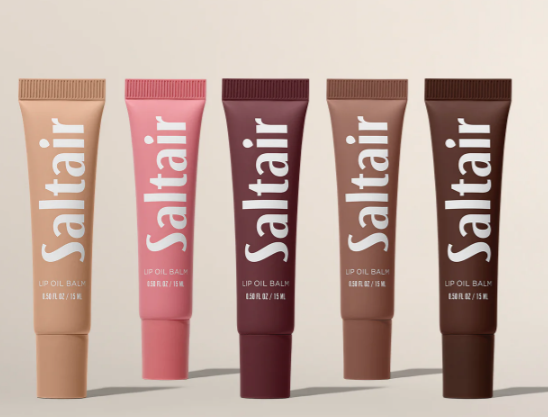
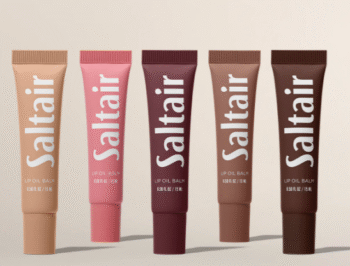
Conditioning Lip Oil Balm -15ml, 9$

Saltair Lip Oil Balm under the spotlight

Lip oils have become the latest craze in the world of lipcare, promising to provide seamless hydration and conditioning for your lips. However, not all lip oils are created equal, and some may contain controversial ingredients that could potentially harm your lips. Some lip oils may contain synthetic oils that can actually strip your lips of their natural oils, leaving them even drier than before. Additionally, some lip oils may contain preservatives and other additives that can be harmful to your lips in the long run. It’s important to read the ingredients list carefully and choose a lip oil that is free from any potentially harmful ingredients. What about the Saltair Lip Oil Balm product ?

The Benefits of Lip Oils

One of the biggest benefits of using lip oils is their ability to lock in moisture and prevent dehydration. The natural oils in lip oils are rich in essential fatty acids that help repair the skin barrier, keeping your lips soft and supple. And even more, they are lightweight and non-greasy, making them perfect for everyday use. In addition to their moisturizing properties, lip oils also offer a range of cosmetic benefits. Their glossy finish gives your lips a natural plumpness and enhances their overall appearance. You can even find tinted lip oils that provide a subtle hint of color while conditioning your lips. They could in fact act as skincare for our lips (if the formulation is adequate) while adding the benefits of a nice shine and color.

What could be difference between Lip Oil and Lip Gloss ?

Lip Gloss is thicker in consistency and often has a higher concentration of color pigment. Lip oil is usually much thinner in consistency and offers hydrating benefits without a sticky or goopy texture. Some Lip Oils are totally transparent toppers that look glassy on bare lips, others come in a range of color options with a high shine effect. The result is plumped, hydrated lips and a a subtle sparkling effect. Let’s now have a closer look at the ingredient list.

In this article, as usual, we’ve selected a random product, Saltair Conditioning Lip Oil Balm.

Saltair is highlighting that its products are « formulated with active skincare ingredients, nourishing oils and exotic botanicals » ; how does this commitment look like in their products ? We will be having a closer look at the entire ingredient list – just to make it clearer what’s behind the scenes.  Moreover, we will also reveal some smart tips to help you select Lip Oil products that are free of any controversial ingredients.

Let’s dive in !

Let’s take a look at Saltair’s brand philosophy in general

« Created to deliver efficacious results, Saltair products are formulated with active skincare ingredients, nourishing oils and exotic botanicals that treat the skin and awaken the senses. Advanced skincare ingredients like niacinamide, glycolic acid, retinoids, and antioxidants are combined with exotic ingredients and evocative fragrances to create compelling and sensorial products that truly work. (….) SUSTAINABLE  : From our responsible packaging to our plastic pledge to our eco-partnerships, we’re deeply committed to protecting the planet (and are always looking for ways to improve). TRANSPARENT : You deserve to know what you’re putting on your body. That’s why we openly list every ingredient in our formulas, share its purpose, and let you know why we chose to use it. »

What is Saltair’s definition of « sustainable» and « transparent» ?

Let’s have a look at Saltair Conditionning Lip Oil Balm – what about the overall formulation of their product?

First of all, here are the product benefits, – as presented on Saltair’s website *:

“Our conditioning lip oil features a slippy, cushiony balm feel. Formulated with coconut oil, murumuru, shea butter and plant-derived esters, this oil balm nourishes and hydrates dry lips with a subtle sheen. CRUELTY FREE | VEGAN | PARABEN FREE | GLUTEN FREE -Formulated with coconut oil, murumuru, shea butter and plant-derived esters, this oil balm nourishes and hydrates dry lips with a subtle sheen. With coconut vanilla flavor.”

Let’s take the time to check the composition of the product by taking a closer look at Saltair’s Conditioning Lip Oil Balm INCI (ingredients) list

Ingredients/ INCI*:

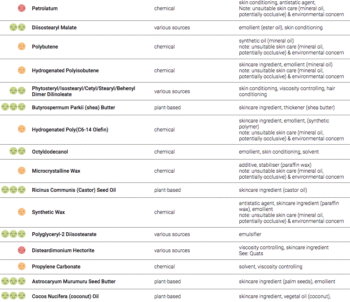
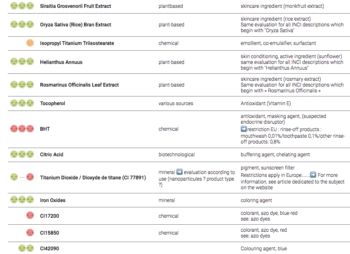
Full Ingredient List: Petrolatum, Diisostearyl Malate, Polybutene, Hydrogenated Polyisobutene, Phytosteryl/Isostearyl/Cetyl/Stearyl/Behenyl Dimer Dilinoleate, Butyrospermum Parkii Butter, Hydrogenated Poly(C6-14 Olefin), Octyldodecanol, Microcrystalline Wax, Flavor, Ricinus Communis (Castor) Seed Oil, Synthetic Wax, Polyglyceryl-2 Diisostearate, Disteardimonium Hectorite, Propylene Carbonate, Astrocaryum Murumuru Seed Butter, Cocos Nucifera Oil, Mica, Siraitia Grosvenorii Fruit Extract, Oryza Sativa (Rice) Bran Extract, Isopropyl Titanium Triisostearate, Helianthus Annuus Extract, Rosmarinus Officinalis Leaf Extract, Tocopherol, BHT, Citric Acid. [+/-: Titanium Dioxide (CI 77891), Iron Oxides (CI 77491, 77492, 77499), Red 33 Lake (CI 17200), Red 7 Lake (CI 15850), Blue 1 Lake (CI 42090)].


Saltair Lipbalm formulation ?

Saltair Lipbalm ingredients

*Ingredient’s list analyzed with the website’s INCI Search tool

Ingredient analysis Saltair Lip Oil Balm :

As always, it is the first 5-10 ingredients that make up the majority of the product’s overall “profile”. And this profile includes already right at the beginning a large number of controversial and questionnable ingredients, an entire list mineral-oil derived ingredients (Petrolatum, etc).

A list of controversial substances have slipped into the formula of Saltair Conditioning Lip Oil Balm

  • BHT, preservative (suspected endocrine disruptor)
  • Petrolatum, mineral oil, potentially occlusive and environmental concern (pollutant)
  • Polybutene: mineral oil, potentially occlusive and environmental concern (pollutant)
  • Polyisobutene, a synthetic preservative or hair conditioner (antistatic), part of synthetic « quats » category, substances that are not very biodegradable/polluting and slightly irritating.
  • Microcrystalline Wax, mineral oil, potentially occlusive and environmental concern (pollutant)
  • Hydrogenated Poly(C6-14 Olefin), mineral oil, potentially occlusive and environmental concern (pollutant)
  • Disteardimonium Hectorite, emulsion stabiliser, part of synthetic quats category, substances that are not very biodegradable/polluting and slightly irritating.
  • Synthetic Wax, mineral oil, potentially occlusive and environmental concern (pollutant)
  • Titanium Dioxide (CI 77891), pigment, not suitable in this kind of product, as ingredients on the lips are always partially ingested
  • CI15850 and CI17200, these are azo dyes (synthetic pigments). Some studies have linked certain azo dyes to health issues such as skin irritation, allergies. And some azo dyes have even been found to be carcinogenic, mutagenic, and toxic to humans and the environment

Saltair Lip Oil : how clean is the formulation really ?

Conclusion for the analysis of Saltair Conditioning Lip Oil Balm

A formulation that is far, far from the claim of «sustainable » « nourishing oils and exotic botanicals» …. The product’s formula is mainly built on a large number of controversial and polluting ingredients, problematic for the environment (mineral oils, quats) and potentially harmful and toxic substances (suspected endocrine disruptors like BHT,  azo dyes, etc). Just as an exemple, none of the substances mentioned above would be allowed by any of the serious labels/certifications for organic cosmetics in Europe : Cosmos, Nature, BdiH, Ecocert, Soil Association, Aiab, etc…


Beyond Saltair ….

The Ultimate Guide to Choosing the Best Lip Oil Products*

*without any Controversial Ingredients

1. Educate Yourself on Controversial Ingredients

Start your journey by getting informed about controversial ingredients commonly found in beauty products. You can use the website’s free INCI research tool and dive deeper into the subject with the different articles on the website.

1. Educate Yourself on Endocrine Disruptors

Endocrine disruptors are harmful chemicals present in various beauty products. These chemicals can interfere with your hormonal balance and potentially lead to serious health issues. It is never enough to choose lipsticks labeled as “paraben-free” as the products can still contain other endocrine disruptors or harmful ingredients. Certified organic cosmetics however, provide more guarantees, endocrine disruptors are simply not allowed in the formulation process by the different labels. If the product is not certified, make sure to check the ingredient list.

4. Avoid Silicones and mineral-oil derived ingredients (Petrolatum, etc)

Silicones are commonly used in beauty products to create a smooth texture and long-lasting effects. However, they represent a huge toll on the environment, as they are not biodegradable. When selecting a lip oil product, it’s essential to look for ones that contain natural oils. Natural oils, such as coconut oil, jojoba oil, olive oil, sesame oil, or argan oil, for instance, are known for their hydrating and nourishing properties. These oils help to lock in moisture and keep your lips looking healthy and plump. Be sure to avoid products that contain synthetic ingredients like mineral oils and silicones, as they can also have a drying effect on the lips. Again, silicones and mineral oil derived ingredients are not allowed in certified organic cosmetics.

2. Stay Away from PFAS (Perfluoroalkyl Substances)

PFAS (also known as « Forever Chemicals »)  are a group of chemicals used in many industries, including cosmetics. They have been linked to adverse health effects and are extremely persistent in the environment. This is a tremendous environmental concern, which of course concerns many other industries. Check the ingredient list for PFAS-related compounds like PTFE or perfluorooctanoic acid (PFOA) and educate yourself on the subject as well.

5. Be Mindful of certain synthetic Preservatives

Preservatives are essential to prevent the growth of harmful bacteria and extend the shelf life of cosmetics. However, some synthetic preservatives, such as formaldehyde releasers or phenoxyethanol have been linked to skin irritations and allergies and other more serious health concerns. Others fall into the category of endocrine disruptors (some parabens, triclosan, BHT etc).

2. Embrace Organic (certified!) Cosmetics

Organic cosmetics have gained immense popularity in recent years for their commitment to using natural and pure ingredients. Choose « certified organic »- products – and brands which have certification seals from respected organic regulatory bodies. These products are formulated without controversial ingredients and provide a gentle yet efficient alternative for keeping your hair healthy and lustrous.

Conclusion

By following these tips, you can effectively avoid, controversial ingredients like endocrine disruptors, PFAS, pollutants, silicones, and other questionable preservatives commonly found in make up and beauty products in general. Your lips, skin and hair deserve the very best care, free from any controversial ingredients that could compromise its health and radiance. By opting for certified organic cosmetics and checking your product’s ingredient list, you’re already on the right path.

In conclusion, when choosing a lip oil product, it’s important to opt for one that is made with natural oils and free from any controversial ingredients. Look for lip oils that are specifically formulated for moisturizing purposes, rather than ones that contain potentially harmful ingredients, likes mineral oils or silicones. If the product is not certified, make sure to check the ingredient list. (Free ingredient checker available on our website) Your lips will thank you!

FAQ : SALTAIR Lip Oil Ingredients

Are SALTAIR lip oil ingredients considered “clean”?

SALTAIR promotes a “clean beauty” positioning, but a closer look at the ingredient list reveals substances that raise concerns depending on individual sensitivity and clean beauty standards. Keep in mind that the concept of “Clean Beauty”, as such, is not clearly defined, every brand can therefore define the concept on their own terms.

Does SALTAIR lip oil contain controversial ingredients?

Some of the highly controversial ingredients used in SALTAIR lip oil formulations are debated within the cosmetic safety community, particularly regarding long-term exposure and environmental impact.

How can consumers evaluate lip oil ingredients effectively?

Reading the full INCI list (ingredient list) understanding ingredient functions, and comparing formulations with certified clean or organic alternatives can help consumers make informed choices.

Are there cleaner alternatives to SALTAIR lip oil?

Yes, several brands offer lip oils formulated with fewer synthetic or controversial ingredients and a higher proportion of plant-based oils and waxes. Especially the products that are certified as natural & organic cosmetics (different labels), providing more stringent guarantees.


Microplastics & cosmetics

Plastic isn’t exactly fantastic – even for cosmetics!

Microplastics & cosmetics- a bit of history about Plastic

On the scale of global human evolution, plastics made their appearance relatively recently, with the appearance of bakelite in 1907 and PVC in 1924, for example. Most of the plastics developed in the 20th century were petrochemicals – produced from refined fractions of petroleum. From the 1950s onwards, with the advent of “mass” consumption and a diversified range of plastics, these materials became part of our daily lives… to the point of saturation, endangering our health, that of animals and the planet.To illustrate this point, let’s take a closer look at microplastic pollution.


Sea And Microplastic pollution

What exactly are microplastics?

Definition: microplastics are tiny pieces of plastic, generally measuring less than 5 millimeters.

Microplastics usually fall into two categories:

Primary microplastics = synthesized microplastics intentionally added to products (this part concerns also the formulation of cosmetic products, for example).

Secondary microplastics = microplastics derived from the degradation of larger plastic wastes (this part also concerns cosmetics packaging, for example).

The specific case of microplastics in cosmetics

Added microplastics components are still widely present in beauty products today in the form of synthetic polymers or microbeads. Their functions are manifold: they can act as exfoliating agents (microbeads), film-formers (e.g. silicones, also known as “liquid plastics”), viscosity regulators, binders, etc…

Concerning « microbead » ingredients, which can still be found as exfoliants in scrubs, shower gels and other “rinse-off products”, can account for up to 10% of the product’s total weight* – which corresponds to several thousand microbeads per gram of product!


Microplastics INCI in cosmetics

Here are just a few of the ingredients/INCIs in beauty product considered as microplastics and “liquid plastics” such as silicones, for instance

Acrylates Co-, Crosspolymer (AC, ACS)

Polyamides (PA, Nylon)

Polyacrylates (PA)

Polymethyl Methacrylate (PMMA)

Polyquaternium (PQ)

Polyethylene (PE)

Polyethylene Glycol (PEG)*

Polyethylene Terephthalate (PET)

Polypropylene (PP)

Polypropylene Glycol (PPG)*

Polystyrene (PS)

Polyurethane (PUR)

And in the «liquid plastics» category we will find the whole range of silicone-based ingredients, in all their different types and forms, like for example

• Silicones
–Cyclo-, Di-, Amodi-, Tri-, Methicone
–Cyclotetra-, Cyclopenta-, Cyclohexasiloxane
– Dimethiconol –Di-, Tri-, Siloxane , Silsesquioxane

Microplastics in beauty products ?

Microplastics – still way too common in beauty products today

While alternatives do exist, added microplastics are still very much present, as recently highlighted once again by the Rethink Plastic collective, a collective of some twenty ONGs alerting to the problem of microplastics in cosmetics.


Proof: the Plastic Soup Foundation study

In its study and project “Beat the Microbead”, the Dutch association Plastic Soup Foundation has carried out a study on microplastic ingredients in cosmetics, analyzing the products of conventional “classic” brands from European top brands: L’Oréal, Nivea, Dove, Gilette and Rexona.

The full study is available on their website. Product analyses show that 9 out of 10 analyzed beauty products still contain these notorious microplastics.

Glitter = microplastics

Another example: those beautiful make-up glitters…. ah gee, is that microplastic too?

Most of the time, the glitter we love for to apply for our very festive parties or even use in children’s make-up is simply plastic, in form of microparticles, made from a mixture of aluminum and plastic components.

Especially when it comes to glitter products from the “conventional” cosmetics sector – plastic microparticles are not allowed in certified natural and organic cosmetics, for example. But alternatives have been available for some years now: “biodegradable” sequins, and even the Rio Carnival is turning its back on microplastics and is getting excited about these new, more environmentally-friendly sequins…

What about the health impact of microplastics?

Pollution & microplastics – everyone is concerned, in the end

Beyond the presence of microplastics as added cosmetic ingredients, these microplastic particles also come from general plastic pollution: particles of various plastics, which pass through the filters of sewage treatment plants (as they are too small to be properly filtered) and then end up in the oceans and continental waters in very large quantities. Microplastic-based pollution has already been traced in various studies throughout our immediate environment. In our oceans, soils, animals and even… in our stomachs, lungs and even our hearts.

Numerous studies on the subject

A study from 2022 also revealed that traces of these microplastics have even been found in human blood. The study, published in Environment International, analyzed blood samples from 22 anonymous donors, all healthy volunteers, and found microplastics in 17 of them.

“For the first time, we have been able to detect and quantify” such microplastics in human blood, said Dick Vethaak, an ecotoxicologist at the Free University of Amsterdam. “This is proof that we have plastics in our bodies – and we shouldn’t,” he told AFP, deeming further research on the possible health impact necessary. According to the study, the microplastics detected could have entered the body via many routes, from air, water or food, to cosmetic products. “It is scientifically plausible that plastic particles can be transported to organs via the bloodstream”, add the authors.The big question is what happens inside our bodies,” stresses Professor Dick Vethaak. Are the particles retained in the body? Are they transported to certain organs, can they cross the blood-brain barrier? And are these levels high enough to trigger the disease? We urgently need to fund further research so we can find out.”

microplastic pollution and fish

Pregnant women are also affected by the plastic pollution

The placenta is also contaminated by microplastics, reveals an Italian study published in the International Environment journal in 2021. This could affect the health of unborn babies, who are particularly sensitive to endocrine disruptors.

“As for the source of these microplastics, the researchers suggest two possible routes: the dietary route, as these particles are present in both food and water, and the respiratory route, as microplastics are also abundant in the air we breathe. The latter is also a source of fine particles, also found in the placenta.”

Microplastics : what about animals & the environment?

The choice of products we buy and use on a daily basis, whether for cosmetics or any other products (ingredients, packaging and everyday products) never only concerns our very own, narrow personal surroundings – the circle of our personnel health, and the health of our children – but always affects the entire system, as well…

And sooner or later, these consumer choices come back to us “like a boomerang effect” with the accumulation of chemical pollution in the oceans, which then finds its way onto our plates – for those of us who aren’t vegan. Microplastics are already widely present in the environment, affecting flora and fauna, as numerous studies attest.

In an article in Le Monde (french newspaper) published on the 29th of April 2021 entitled “Dans les océans, la pollution chimique menace toute la chaîne alimentaire” (In the oceans, chemical pollution threatens the entire food chain), scientists detail the food chain problem, for example:

“Fertilizers, pesticides, heavy metals, hydrocarbons, drug residues, thousands of tons of sunscreen and plastic in all its forms, not to mention sediments laden with various chemicals, juxtapose or synthesize their deleterious effects. The report by the International Pollutant Elimination Network notes that human discharges impact all ocean life, from plankton to birds. Over two hundred of these studies are summarized in a report on Aquatic Pollutants in Oceans and Fisheries, published on Tuesday April 27. The survey was carried out for the International Pollutant Elimination Network (IPEN), which brings together over 600 NGOs in more than 120 countries, with the Australian organization for a toxics-free future (National Toxics Network, NTN).”

What is the current status of legislation about “added” microplastics in cosmetics?

In Europe, the restriction or ban on microplastics in cosmetics is not governed by the cosmetics regulation (1223/2009 EC) but regulated independently in the various countries.

This restriction only applies to microplastics intentionally added to products intended for rinsing, e.g. in France, where the Biodiversity Act of 2018 bans plastic microbeads from “rinsed cosmetics” (shower gels, peels, shampoos, etc.) used for cleansing or exfoliation. This ban therefore only covers a fraction of the microplastic problem.Other countries around the world have introduced similar restrictions (USA, Canada, India, Korea…). But harmonization of legislation at European, and even international, level is still some way off.

At 7 kg of plastic discarded every minute

The Rethink Plastic Alliance, which brings together some twenty environmental associations (Plastic Soup Foundation, No Plastic in my sea, Client Earth and Surfrider), highlights the “negative and irreversible damage to our ecosystems” and the risk to human health. “In Europe alone, 7 kg of plastics from cosmetics are released into the environment every minute”.

A particularly slow ban & a transition phase … mostly in favor of the global plastic industry and manufacturers

On March 1, 2023, the European expert committee that was to decide on the restriction of “intentionally added” microplastics under the Reach regulation postponed its vote. This has also prompted reactions from brands committed to speeding up the process of banning microplastics. A group of around twenty brands and environmental ONGs, led by Weleda, Beauty Kitchen and Naïf, has sent an open letter to the European Commission calling for a faster and more comprehensive ban on microplastics in cosmetics.

Ban of  microplastics in cosmetics

Under the current proposal for a ban on microplastics in cosmetics (which, incidentally, represent only one aspect of this global pollution), transition periods would vary from four years for rinse-off products to 12 years for certain make-up products. Encapsulated fragrances would benefit from five to eight years, and leave-on cosmetics would have six years to adapt.

microplastic pollution is a real crisis


These are not reassuring figures

Of course, the cosmetics sector is not solely responsible for microplastic pollution, but the cosmetic industry is also part of the problem. The industry as a whole therefore needs to accelerate the process of change. It’s also up to us, as informed and enlightened consumers, to support all those brands that have been committed to environmental protection from the outset, and not just the ones who hopped on the wagon recently, under the greenwashing flag.

And what about plastic packaging?

Again, this aspect doesn’t only concern the cosmetics sector, but the cosmetic industry is part of the problem… and will therefore also have to be part of the solutions.

According to the OECD, global plastic waste is set to almost triple by 2060

At current rates, the amount of plastic waste produced worldwide will triple by 2060, with around half ending up in landfill and less than a fifth being recycled, according to a new OECD report (…) Even with aggressive measures to reduce demand and improve efficiency, plastic production would almost double in less than 40 years, the organization projects. However, such globally coordinated policies could significantly increase the share of future plastic waste recycled, from 12% to 40%.(…) Since the 1950s, some 8.3 billion tonnes of plastic have been produced, over 60% of which ended up in landfill, or was burnt or dumped directly into rivers and oceans.

glitter is microplastic, most of the time

How to avoid microplastics in beauty products

*Choose certified natural and organic cosmetics, as added microplastics are not authorized by the different labels.

  • Read the labels and  formulation of your products using the site’s INCI search to rule out microplastics,
  • On the packaging side: encourage the initiatives of brands that make a real commitment in these directions, such as Überwood and Dr. Bronner’s. Ask your favorite brands – even those in the organic sector – the “tough questions” to find out what they have planned to speed up the process of finding alternatives to plastic packaging.
  • Invite the “zero waste” mouvement into your bathroom; so many products now exist in solid versions, it’s up to you to find the brand or product that suits you. As long as the solid version is not certified organic, continue to check its composition, as some brands still contain too many controversial ingredients.
  • Focus on the essentials: do we really need 4 different creams, with their promise of miraculous ingredients, when a good night’s sleep, a real moment of relaxation, a great surfing session or a laugh shared with girlfriends, releasing tons of endorphins… will give us that instant “healthy glow” effect envied by the world’s best cosmetic formulas? Even certified organic creams? In short, degrowth makes sense, even in the bathroom… and can also turn into a fun process.

Get creative on your plastic-free journey

As far as other everyday products are concerned, the web is full of alternatives and tips on how to get as far away as possible from our current plastic-laden lifestyle.

And even if the biggest lever remains the industrial sector, our daily spending choices remain a truly crucial lever, which can also inspire those around us to do the same. We can’t repeat it often enough: the choice of our everyday consumer products matters… at every level…


“Every time you spend money, you’re casting a vote for the kind of world you want.” (Anna Lappe)


TITANIUM DIOXIDE: What exactly is it?

Titanium dioxide is a white inorganic compound used as a white coloring in a variety of products. This component is used in the food industry (colouring), cosmetics (UV filters/pigments) and paint (for example for dye or pigments). In cosmetics, the ingredient is generally used either as a pigment/colorant or as a mineral filter as it is able to reflect, disperse and absorb ultraviolet (UV) rays. 

It is a component that is used in different cosmetic products (conventional OR organic), it is therefore also authorised by the different specifications in natural and organic cosmetics (BDIH, NaTrue, Ecocert, Cosmébio, Soil Association, ICEA, etc.).  The use of titanium dioxide in natural and organic cosmetics is therefore quite widespread, since titanium dioxide is mainly used as a mineral filter in sunscreen products or as pigment in make-up products.

INCI name (as it appears on cosmetics labels): titanium dioxide.

Titanium Dioxide : So what’s all the fuss about?

The distrust of the component comes from the fact that the International Agency for Cancer Research (IARC) has classified titanium dioxide as a potentially carcinogenic component (category 2B).  As always, scientific studies must be interpreted in context and it is important not to generalise or draw hasty conclusions from them. Indeed, the IARC study suggests that titanium dioxide can present a carcinogenic risk in the form of dust inhaled by the lungs (in the air, in suspension). Therefore intensive inhalation of titanium dioxide as “loose powder” can be problematic and requires protective measures, especially for workers who are exposed to fine particles of the component. This problem of massive inhalation of fine particles, which can pose significant health problems, concerns not only this component, but also other components that are inhaled on a large scale in a professional context (coal, mineral wool, graphite, etc.)

Therefore,  should all creams containing this ingredient be systematically avoided?

The application on the skin of creams containing titanium dioxide is not being questioned by this study, it is important to distinguish between the different contexts of useThere are also however certain recommendations for sunscreen products which contain the ingredient (as nanoparticules) in the form of sprays. Most titanium dioxides currently used in cosmetics and beauty products have also undergone a surface treatment which consists of coating each oxide grain with layers of organic (polyols, esters, etc.) or inorganic (alumina, silica, etc.) compounds. This phase stabilises it, making it non-volatile and preventing its assimilation by the body.

And what about titanium dioxide as a food additive or in medication?

What is titanium dioxide commonly found in?

Titanium dioxide as a food additive, color additive (name E 171) has been banned since 2020 in France and since 2022 in Europe. Yet it is still present in medications (tablets, etc). What poses a problem is the absorption of this component in nanoparticle form, as it is the case in sweets/candies, chewing-gum or even medication, for example. Ingesting titanium dioxide in nanoparticle form is very problematic in the long term.

Is titanium dioxyde in food harmful ?

Back to cosmetics : should all creams containing this component be systematically avoided?

The application on the skin of creams containing titanium dioxide is not questioned by these studies, it is important to distinguish between the different contexts of use

Most titanium dioxides currently used in cosmetics have also undergone a surface treatment which consists of coating each oxide grain with layers of organic (polyols, esters, etc.) or inorganic (alumina, silica, etc.) compounds. This phase stabilises it, making it non-volatile and preventing its assimilation by the body.

With regard to the use of this ingredient in general (outside the nano context) in certified natural and organic cosmetics, some labels recommend replacing this component with an alternative in the future, if one exists, as specified by Cosmébio* for example. The label also rightly points out that “if titanium dioxide were to be banned entirely by the …. label, this would also mean that there would be no references at all for make-up and sun protection products”.


The Benefits of this ingredient in sunscreens :

When it comes to sunscreens, this ingredient plays a key role in blocking harmful UV radiation, shielding our skin from potential harm. Unlike chemical UV filters, titanium dioxide creates a physical barrier on the skin’s surface, instantly reflecting sunlight away.

This mineral is also considered safe for sensitive skin types, as it is less likely to cause irritation or allergies. It is one of the only alternatives (along with zinc oxide) to synthetic UV filters, most of which are highly controversial, classified as endocrine disruptors, etc. There are also certain recommendations for sunscreen products which contain the component in the form of sprays. (see below)

Is titanium dioxyde safe in sunscreen ?

Are all sunscreen products (organic or conventional) which contain titanium dioxide concerned by this issue?

Let’s recap : the problem is the massive inhalation of titanium dioxide dust, its ingestion as a food additive, its use as nanoparticles in sprays, and not its mere presence in a cream formulation.

What could also possibly be problematic is the presence of this component in the form of nanoparticles in creams, which is not an issue for healthy skin (EU NanoDerm* study), but other studies are looking at the effect that products containing nanoparticles could have on damaged skin, although according to the latest studies it would seem that the protective barrier remains intact and that the substances do not extend beyond the epidermis. To be continued…

But the presence of this ingredient in a cosmetic product does not mean “massive inhalation of fine dust”, nor does it automatically mean that this component is present in the form of “nanoparticles”. Another more recent study in France ( COSMED APRIL 2021) confirms that titanium dioxide, as such, does not penetrate the skin barrier.

******* 

Mineral or chemical (synthetic) sunscreen filters ?

Just as a reminder: organic (certified) sunscreen products contain only mineral UV filters, conventional products contain mainly chemical synthetic UV filters or sometimes a combination of synthetic filters and mineral filters.


In the form of loose powder, incorporated in sunscreen products, or added in candies or medication?

It is important to distinguish between the substance ingested in the form of nanoparticles as a food additive,  inhaled as ‘loose powder‘ (which is more related to the industrial sector), added ingredient the medical field (medications), food (candies), an ingredient in “oral cosmetics “(toothpaste, lipstick, etc.) or incorporated as a mineral sunscreen filter in creams or other cosmetics.

As a broad summary concerning titanium dioxide

Conclusion on this ingredient in Cosmetics

(EUROPE) Titanium dioxide is currently still permitted in all cosmetics, with certain restrictions

➡️ Its use in the form of nanoparticles is prohibited in sprays and aerosols.

➡️ As a sunscreen filter, it is limited by the European cosmetic regulation (1223/2009) to a dosage of 25% of the total formula.

➡️ Titanium dioxide mainly poses a problem if it is ingested, swallowed, or used in the form of nanoparticles.

Alternative Options

If you still have reservations about using titanium dioxide in sunscreen products and still prefer choosing an organic certified sunscreen, there are alternative options available. Look for sunscreens that use zinc oxide as the primary UV filter. Zinc oxide provides similar broad-spectrum protection to titanium dioxide and is widely acknowledged as safe and effective.

To conclude

In the realm of cosmetics and skincare, titanium dioxide plays an important role in protecting our skin from harmful UV radiation in sunscreen products. While concerns regarding health risks exist (especially concerning cosmetic products like lipsticks, toothpaste or lipbalm, always partially ingested), regulated use in creams and sunscreens shows minimal danger.

The decision to embrace or avoid titanium dioxide-containing products ultimately rests on personal preference and any specific concerns one might have. As with any skincare ingredient, knowledge is the key to making the right choices for our skin’s health and well-being.

More articles on cosmetics ingredients

****

SOURCES

  • EFSA : https://www.efsa.europa.eu/fr/news/titanium-dioxide-e171-no-longer-considered-safe-when-used-food-additive
  • ECHA : https://echa.europa.eu/fr/-/titanium-dioxide-proposed-to-be-classified-as-suspected-of-causing-cancer-when-inhaled
  • INRA : https://www.inrae.fr/actualites/dioxyde-titane-bouche-premiere-voie-passage-du-e171-sang
  • ANSM : https://ansm.sante.fr/uploads/2021/03/11/07fee639ffe2915fd26d91d42a9487d8.pdf

The article dates from 2021, but will be updated regularly based on recent research.

There are many warnings in the press regarding essential oils. Some are justified and some are so exaggerated that the slightest trace of essential oil diluted in the composition of a formula becomes as suspicious as a component in a proven toxic, endocrine disruptor, or becomes controversial at another level.

Of course, essential oils are very powerful substances (which is also what makes them effective). They are active concentrates that are used within the framework of specific protocols and which can become problematic if used incorrectly, in too high a concentration or undiluted, for example. Some essential oils, used pure, can be photosensitizing or cause discomfort if the dosage is not respected.

The advantage of these substances is that they have been used in traditional pharmacopoeia for centuries and their use, function, warnings and of course also their multiple advantages, even in interaction with other herbal substances, have been studied and documented for a long time. 


This is not the case for a large number of chemical substances, whose interaction with other chemical substances and the effects of their daily use have not yet been studied in the long term, or even in the medium term, for that matter.  

This is a reference to the famous “cocktail effect” that can result from combining these chemical substances and which of course does not essentially concern the problem of cosmetics.

Many users, who are increasingly better informed, are now turning to certified natural and organic cosmetics to avoid the range of controversial components found in conventional cosmetics. 

Here, once again, we come across warnings about the famous “allergens” derived from essential oils. The prevailing distrust towards essential oils in France seems to be generally established in the minds of consumers and the press. 


So is this distrust justified or not?

For years consumer tests in France have tended to systematically downgrade natural and organic cosmetics containing components, fractions of essential oils, classified as potentially allergenic (such as Linalool and Geraniol*). 

*The leading German consumer magazine ÖKOTEST does not work in the same way.

In cosmetics, essential oils are used both for their intrinsic care properties (soothing, astringent, purifying, etc.) and/or as perfuming substances, for example. Depending on the context of the formulation, they can also contribute to product preservation.

For example, certified natural and organic cosmetics products are exclusively perfumed with essential oils. Synthetic perfumes (just like synthetic preservatives, etc.) are not authorised by the demanding, much stricter specifications recommended in the “conventional” cosmetics industry. 

Of course there are also certified organic cosmetics ranges that are “fragrance-free”, but in general, essential oils are among the components widely used in natural and organic cosmetics. 

So would users also be willing to give up the pleasure of perfumes in their cosmetic products? 

If we wanted at all costs to avoid the use of essential oils, or components derived from essential oils, we would be obliged “by default” to use products that contain synthetic perfumes instead, in fact most “conventional” products are perfumed with synthetic perfumes, grouped under the generic term “perfume/fragrance”.  

And among these synthetic perfumes, we also find the famous phthalates, classified as endocrine disruptors or other equally controversial substances, or musk compounds, which are also very problematic, and can stick to tissues. Some chemical fragrance substances are often also potentially allergenic and are added to the impressive cocktail of problematic synthetic substances that can be found in a conventional cosmetic product.

So is there any real justification in putting components from essential oils that are potentially allergenic for some people, on the same level as proven, reprotoxic, controversial, toxic and polluting components?

What exactly are the perfuming substances which are considered to be potentially “allergenic”?

In the list of substances identified by the CSSC (Chemical Safety and Surveillance Committee) as potentially allergenic, some fragrances may be more or less problematic or controversial. Among the substances that must be reported “separately” on the INCI list, i.e. outside the generic term “perfume” or “fragrance” usually used, (if they exceed a certain concentration threshold), both natural and chemical substances are to be found.

And among this list of components there are also components derived from essential oils (Citral, Limonene, Geraniol etc.). 

These components are isolated parts (fractions) of essential oils used for example in natural and organic cosmetics as perfume and partly also for preservation. This also means that they are present in very small quantities, usually listed at the end of the INCI list. It is therefore these isolated components, these fractions of essential oils (and not the essential oil as a whole) that need to be declared at the end of the list.

What are the differences between these categories of potentially allergenic substances?

The allergenic potential for all these substances is not identical, and the in-depth studies and research work carried out by the German Federation for Information in Dermatology Clinics (IVDK, Informationsverbund Dermatologischer Kliniken*) has made it possible to assess and differentiate the risk of the various substances. 

The principle is simple: if a substance is used frequently and is rarely found to be allergenic, the allergenic potential should be considered low.

If, on the other hand, a substance is rarely used, but triggers frequent allergies in tests, its allergenic potential is considered high.

*http://www.ivdk.org/en/

Most of these substances fall into the category of “less problematic” substances, only a few substances really stand out for their higher allergenic potential.

High allergenic potential:

Oak Moos Evernia Prunastri Extract

Tree Moos Evernia Furfuracea Extract

Cinnamal

Isoeugenol

Methylheptincarbonate (Methyl 2-octynoate)

Intermediary allergenic potential:

Cinnamyl Alcohol

Hydroxycitronellal, Hydroxyisohexyl 3-Cyclohexene Carboxaldehyde (trade name: Lyral)

The least problematic:

Alpha-Isomethyl Ionone

Amyl Cinnamal

Amylcinnamyl Alcohol

Anise Alcohol
Benzyl Alcohol

Benzyl Benzoate

Benzyl Cinnamate

Benzyl Salicylate

Butylphenyl methylpropional (Lilial).  (However concern as possible endocrine disruptor)

Citral

Lemonellol

Coumarin (study by the BFR which nevertheless advises against intensive use in food/ and cosmetics)

Eugenol

Farnesol

Geraniol

Hexyl Cinnamal 

Limonene

Linalool

Methyl 2-Octynoate.

Should all products containing, for example, Citral, Geraniol, or Linalool, be systematically avoided?  

What are the alternatives?

All substances derived from essential oils can of course also cause allergic reactions in some people. There is not a single substance, even natural, which is 100% guaranteed of not causing a reaction, obviously.

Generally speaking, all natural substances can also sometimes trigger allergic reactions. Some people, for example, have grass allergies, others are allergic to strawberries or citrus fruits. 

Usually the people concerned know what triggers their allergies and simply avoid these substances on a daily basis. 

The same logic applies to components derived from essential oils. If peeling an orange or approaching a bouquet of roses causes an allergic reaction, it is best to simply avoid products containing essential oils derived from citrus fruits (Citral, Limonene etc.) or rose (Geraniol), etc.

A BDIH study carried out in 2010 on Geraniol also confirms the need to distinguish between “Geraniol”… and “Geraniol”, i.e. Geraniol as an essential oil component and chemically isolated Geraniol. 

In this study on 50 people, none showed an allergic reaction to essential oils, which contained Geraniol as a natural component. On the other hand, 20% of the participants reacted to the synthetic molecule, isolated Geraniol. 

These distinctions are important, just as important as the distinctions in the IVDK study, which provide a differentiated ranking of the subject.

Systematically avoiding any product that contains fractions of essential oils that are potentially allergenic for some people seems an excessive and illogical approach. 

In particular because the alternatives proposed, from conventional products to synthetic perfumes, often contain a wide range of components that are proven to be toxic, problematic or polluting.

And to systematically warn against products containing components based on essential oils, and treat them as being potentially equally problematic as mainstream conventional products, without moderating the context, surely contributes nothing to making progress on the debate.