the truth about cosmetics

🔍 Spotlight on a Controversial Ingredient: Triclosan

Triclosan in cosmetics

Triclosan is a synthetic antibacterial agent that continues to stir debate in both the scientific community and among conscious consumers. Once widely used in everything from toothpaste to hand soaps, this controversial chemical still lurks in a surprising number of cosmetic products sold in Europe—and beyond. But what exactly is triclosan ? Why is it so controversial ? 

And why, despite serious concerns, is it still allowed in products we use on our skin and in our mouths every single day?

Let’s dive deep into this troubling compound—and uncover why avoiding triclosan should be a priority for anyone who values their health and the planet.

⚠️ Health Concerns:

A Growing Body of Evidence

Over the years, numerous studies have raised serious health and safety concerns about triclosan:

1.Suspected Endocrine Disruptor 🚨

Triclosan has been found to interfere with hormonal systems, potentially leading to:

  • Breast and prostate cancers
  • Early puberty
  • Infertility
  • Obesity and diabetes

2. 🧬 Potential Carcinogen

Triclosan can react with chlorine in tap water, forming chloroform, a chemical listed by the IARC as a possible human carcinogen. It may also be contaminated with dioxins, which are highly toxic, persistent, and bioaccumulative in the environment and the food chain.

3. 🧑‍🤝‍🧑 Allergic Reactions and Immune Impairment

Exposure to triclosan has been linked to:

  • Skin rashes
  • Asthma
  • Respiratory issues

One study showed children with triclosan exposure were more likely to develop allergies than those not exposed.

Triclosan in cosmetics

4. 🍼 Triclosan in Breast Milk

A 2022 study from the University of California, San Diego published in Nature Communications found triclosan in human breast milk, potentially contributing to non-alcoholic fatty liver disease in newborns.

5. 🦠 Antibiotic Resistance

According to research published in Antimicrobial Agents and Chemotherapy, triclosan may promote the development of superbugs—bacteria resistant to antibiotics—by weakening the body’s natural defenses and letting resistant strains flourish, such as E. coli.

6. 🦴 Possible Link to Osteoporosis

A study in the Journal of Clinical Endocrinology & Metabolism suggested a possible link between triclosan exposure and osteoporosis in women, a condition that weakens bones.


The “Cocktail Effect”: Why Small Doses Matter

One of the most underestimated risks of triclosan is its role in the so-called “cocktail effect”: we are not exposed to one chemical at a time, but to hundreds—from personal care products, cleaning agents, food packaging, and pollution. Each may fall within “acceptable” limits, but combined, their effects can multiply, leading to unexpected health risks, especially to our endocrine, nervous, and reproductive systems.

Regulatory bodies continue to ignore this synergistic toxicity, making it even more crucial for consumers to stay vigilant.

Triclosan in toothpaste
Beauty products with triclosan

Triclosan & Triclocarban

Triclosan (and its cousin Triclocarban)  has been identified as an extremely problematic substance, both in Europe, the US and elsewhere… but can still be found in numerous products on the market today.

In 2017 The Florence Statement on Triclosan and Triclocarban documented a consensus of more than 200 scientists and medical professionals on the hazards of and lack of demonstrated benefit from common uses of triclosan and triclocarban.

 « Based on extensive peer-reviewed research, this statement concludes that triclosan and triclocarban are environmentally persistent endocrine disruptors that bioaccumulate in and are toxic to aquatic and other organisms. »

In Europe, Triclosan has been evaluated under REACH, resulting in its classification as an endocrine-disrupting substance. But the substance can still be found in beauty products today, even if its use has been restricted.

The following restrictions apply in EUROPE :

Max. 0.3% in toothpastes, hand soaps, body soaps and shower gels, deodorants (without sprays), facial powders and blemish correctors, nail products for cleaning fingernails and toenails prior to application of artificial nail systems. 

Not to be used in toothpastes intended for children under 3 years of age. Mandatory labeling for toothpastes containing triclosan: “Do not use in children under 3 years of age”.

The Limitations of Regulation, both in Europe (REACH) and the US (FDA)

REACH stands for Registration, Evaluation, Authorisation and Restriction of Chemicals and entered into force on 1 June 2007 in Europe. REACH places responsibility on industry to manage the risks from chemicals and to provide safety information on the substances. The regulation lays down a number of provisions and obligations for producers and importers of chemical substances, reversing the burden of proof from the public authorities to industry. In other words, it is now up to industry to demonstrate that its substance can be used without risk to human health or the environment.

Regulatory bodies, such as REACH in Europe and the FDA (Food and Drug Administration) in the United States, play a crucial role in safeguarding consumers by setting standards for cosmetic ingredients. But substances are often evaluated and regulated on different terms on an international level. One significant case that highlights the disparity in regulatory evaluation is Triclosan.

FDA  (US) approach on Triclosan 🇺🇸 

The United States for instance has taken a different approach. While the FDA has banned triclosan in over-the-counter antibacterial hand soaps, its use in other cosmetic and personal care products is not similarly restricted. 

Triclosan remains legal in:

  • Toothpastes 
  • Mouthwashes
  • Medical-grade soaps
  • Consumer goods like cutting boards, plastics, and fabrics

🚫 This partial ban creates a false sense of security, especially since no limits apply to its use in non-cosmetic consumer products like toys or kitchenware.

When it comes to Triclosan the European approach seems more restrictive.  But it’s not always as simple as that.

The limitations, within the REACH system 

There are considerable limitations, even within the REACH system : many potentially toxic substances already on the market have not yet been assessed or regulated as strictly as they should.

The varying standards between regions also raise concerns about the consistency of protection afforded to consumers and highlight the need for harmonized global regulations.

And simply « restricting » an identified endocrine disruptor within products won’t be enough, especially if we take the « cocktail effect » into account.

📢 Time to Act

In 2017, over 200 scientists and health professionals called for a global ban on triclosan and triclocarban, citing their ineffectiveness and unacceptable health and ecological risks.

Yet here we are, years later, still finding triclosan in our toothpaste, deodorants, and body washes. It’s time to ask: Who is this really serving? 

Not our health, not our children, and certainly not the planet.


🌿 Are there any alternatives ?

Luckily, yes

There is a large panel of non toxic preservatives, like the ones used in certified organic cosmetics, for instance, that could be used instead of triclosan.

Tip : Choose Certified Brands and « certified organic »- products – brands which have certification seals from respected organic regulatory bodies. Brands with certifications, such as USDA Organic, COSMOS, Cosmébio, BDIH, NATRUE, SOIL Association, AIAB, Ecocert, etc have stricter ingredient policies.
 

Alternatives to Triclosan in Beauty Products

✅ WHAT CAN YOU DO?

  • Read the label: Look for “Triclosan” or “Irgasan” in the ingredients.
  • Use certified organic products: Look for COSMOS, Ecocert, USDA Organic, Soil Association or Natrue labels, etc.
  • Avoid antibacterial claims: They often mean synthetic agents are used.
  • Reduce your chemical load: Especially in products that go into the mouth or on broken skin

Supporting brands that are transparent and committed to safe formulations is one of the most powerful things we can do as consumers.

Consult our independent, free ingredient list tool, to check your products.
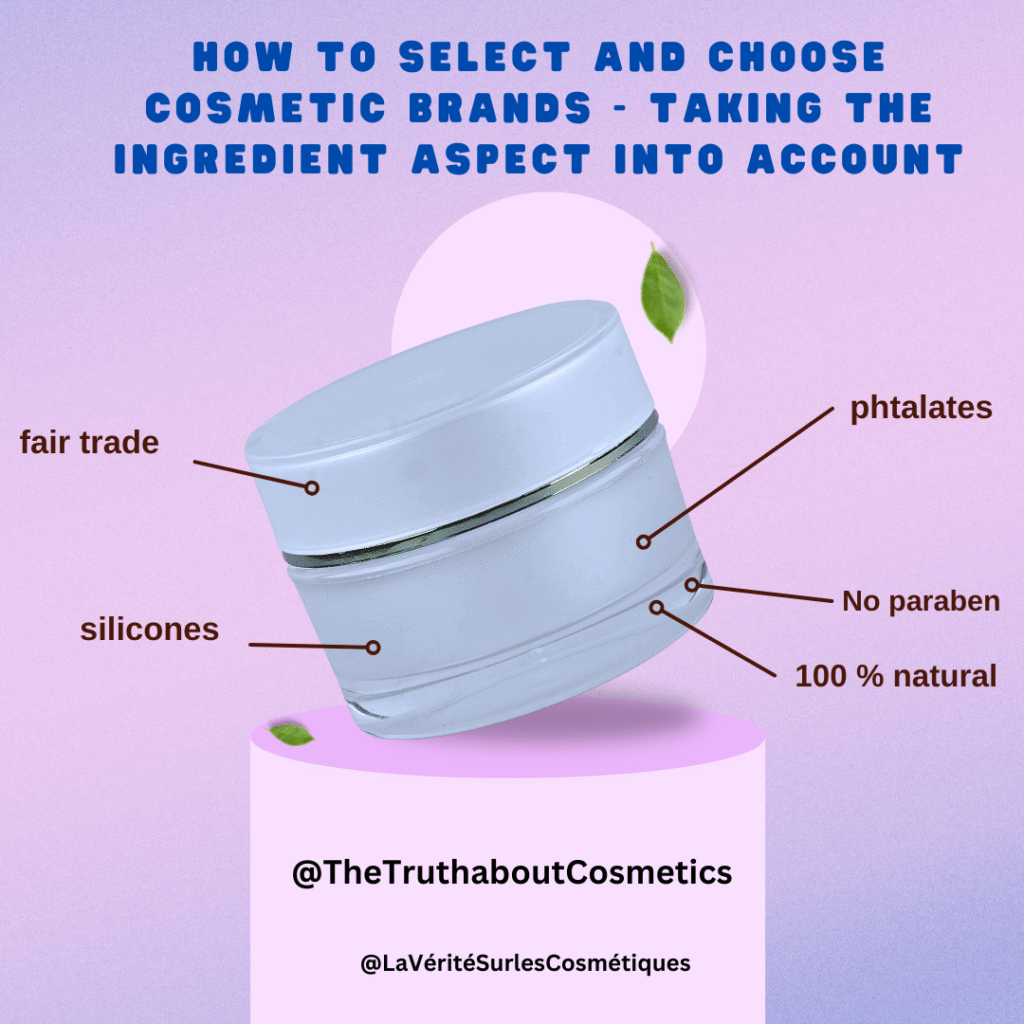
 

 References & sources

1. [Nature Communications – UC San Diego (2022)] 

2. [Antimicrobial Agents and Chemotherapy (2020)] 

3. [Journal of Clinical Endocrinology & Metabolism

4. [EHP – Scientific Statement on EDCs (2017)] 

5. [NCBI – Triclosan and Childhood Allergies]

6. [ScienceDaily – Triclosan in Dolphins & Whales (2021)] 

7 . l’Association Santé Environnement France (ASEF),

How to choose cosmetics

Learn How to Choose Safe and Clean Beauty Products

🌿 Struggling to decode beauty labels or pick products that are truly safe?
Our new online workshop is here to help you make informed choices for your skin, health, and the planet.

What you’ll learn:

  • How to read cosmetic ingredient lists like a pro
  • Why simply spotting “toxic ingredients” isn’t enough
  • What cosmetic certifications and eco-labels really mean
  • Which ingredients to look for—and which to avoid
  • How to choose an, effective, and environmentally-friendly routine
  • 💡 Whether you’re shopping for natural skincare, non-toxic makeup, or sustainable hair care, this workshop empowers you to choose the right beauty products with total confidence.

🎓 Get educated. Get empowered. Go natural.

Share…