the truth about cosmetics

K-Beauty: When Global Success Hides the Reality of Cosmetic Ingredients

South Korea has established itself as an undisputed global leader in the cosmetics industry. Behind the now-ubiquitous term K-Beauty lies a model that fascinates as much as it raises questions. Popularized by social media, influencers, and the Korean cultural wave, Korean cosmetics promise flawless, radiant, and healthy skin. But beyond the hype, what do cosmetic ingredients, formulas, and product transparency really reveal?

A Highly Desirable… and Heavily Marketed Beauty Routine

Innovative, affordable, playful, colorful, and youthful, K-Beauty has built an extremely attractive image. The Korean skincare routine is presented as a true philosophy of skin care, based on gentleness, prevention, and effectiveness. It relies on a holistic approach aimed at preserving the skin barrier and preventing premature aging.

This routine is characterized by multiple steps, adaptable to individual skin needs, far from the rigid myth of the mandatory 10-step routine. Yet, this number has become a powerful marketing tool—sometimes intimidating, but above all highly effective.

K-Beauty Label Decoding
What’s Really Inside K-Beauty?
K-Beauty Ingredients

Innovation and Star Ingredients: The Core of K-Beauty Messaging

The strength of Korean cosmetics lies largely in constant innovation. Brands invest heavily in research and development, creating so-called advanced formulations often highlighted for their effectiveness and skin tolerance.

Among the emblematic ingredients are:

  • ginseng, known for toning and anti-aging properties
  • green tea, antioxidant and soothing
  • rice water, soothing and balancing
  • honey, known for repairing properties
  • centella asiatica (Cica), soothing and regenerating

Another strong signature is fermentation, inspired by Korean food traditions. Galactomyces and saccharomyces are used to improve hydration, radiance, and skin tolerance. These are combined with well-known cosmetic ingredients such as hyaluronic acid, peptides, niacinamide, retinol, and fruit acids.

However, these widely promoted actives require careful formula decoding to understand their actual role within compositions.

Routine Breakdown: Between Effectiveness and Overconsumption

Korean routines rely on key steps often presented as essential:

  • double cleansing
  • gentle exfoliation
  • layered hydration
  • targeted serums
  • moisturizers
  • sheet masks

This accumulation of products enhances the desirability of the model but also raises the issue of cosmetic overconsumption, a topic rarely addressed in marketing narratives.

The 10-Step Myth and the Reality of Formulas

Contrary to popular belief, the Korean routine does not necessarily require 10 steps. It is designed to be flexible and adaptable. However, K-Beauty marketing deliberately maintains confusion by linking performance to product multiplication.

The exotic appeal of ingredients—snail mucin, bee venom, various ferments—is widely exploited and often presented as miraculous, without always being supported by clear ingredients analysis accessible to consumers.

Regulation: Transparency with Limits

A critical point often absent from promotional discourse is regulatory differences. Some Korean products contain substances that are banned in Europe but allowed or regulated in South Korea.

These include:

  • certain parabens banned in the European Union
  • hydroquinone, banned in Europe since 2022, still used in some Korean brightening products

This makes rigorous label decoding essential for European consumers.
K-Beauty: Ingredients Exposed

Natural Claims and Greenwashing: A Blurred Line

K-Beauty strongly emphasizes the natural aspect of its formulations. However, this communication often borders on greenwashing. While naturally derived ingredients are present, their proportion in formulas is rarely dominant.

Moreover, these ingredients—ginseng, green tea, centella asiatica, bakuchiol, rice water—are already well known in natural and organic cosmetics, despite marketing narratives suggesting otherwise.

A Massive Market That Calls for Vigilance

With over $10 billion in export revenue and projections reaching $16 billion by 2029, K-Beauty is flooding the global market. France is currently the leading European consumer of Korean cosmetics.

In the face of this surge, one thing is clear: analyzing ingredients, decoding formulas, and demanding true product transparency is essential.

Beyond Marketing: Time for Ingredient Decoding

Behind promises of innovation and effectiveness, K-Beauty requires a critical perspective. Examining INCI lists, understanding the reality of highlighted ingredients, and questioning regulatory differences are essential steps to regain control over cosmetic choices.

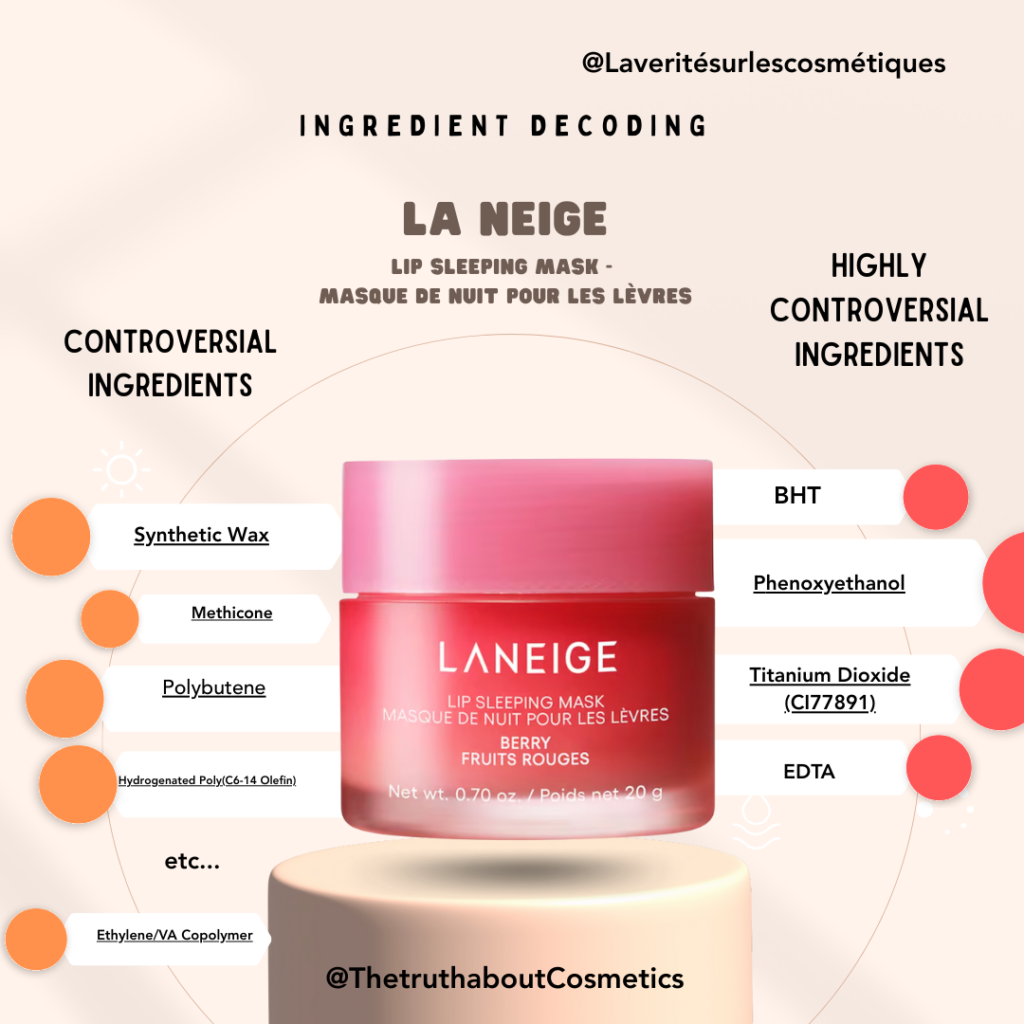
LA NEIGE Lip Sleeping Mask- 

This product has in its formula a couple of highly controversial, potentially toxic (including endocrine disruptors) and also polluting ingredients, like :

  • BHT
  • PHENOXYETHANOL
  • DIOXYDE DE TITANE (inadapté dans un produit pour les lèvres, car partiellement ingéré)
  • SYNTHETIX WAX
  • POLYBUTENE
  • EDTA
    etc
LA NEIGE : Lip Maks : ingredients decoded
DR JART Cicapair Color-Correcting : formulation ?

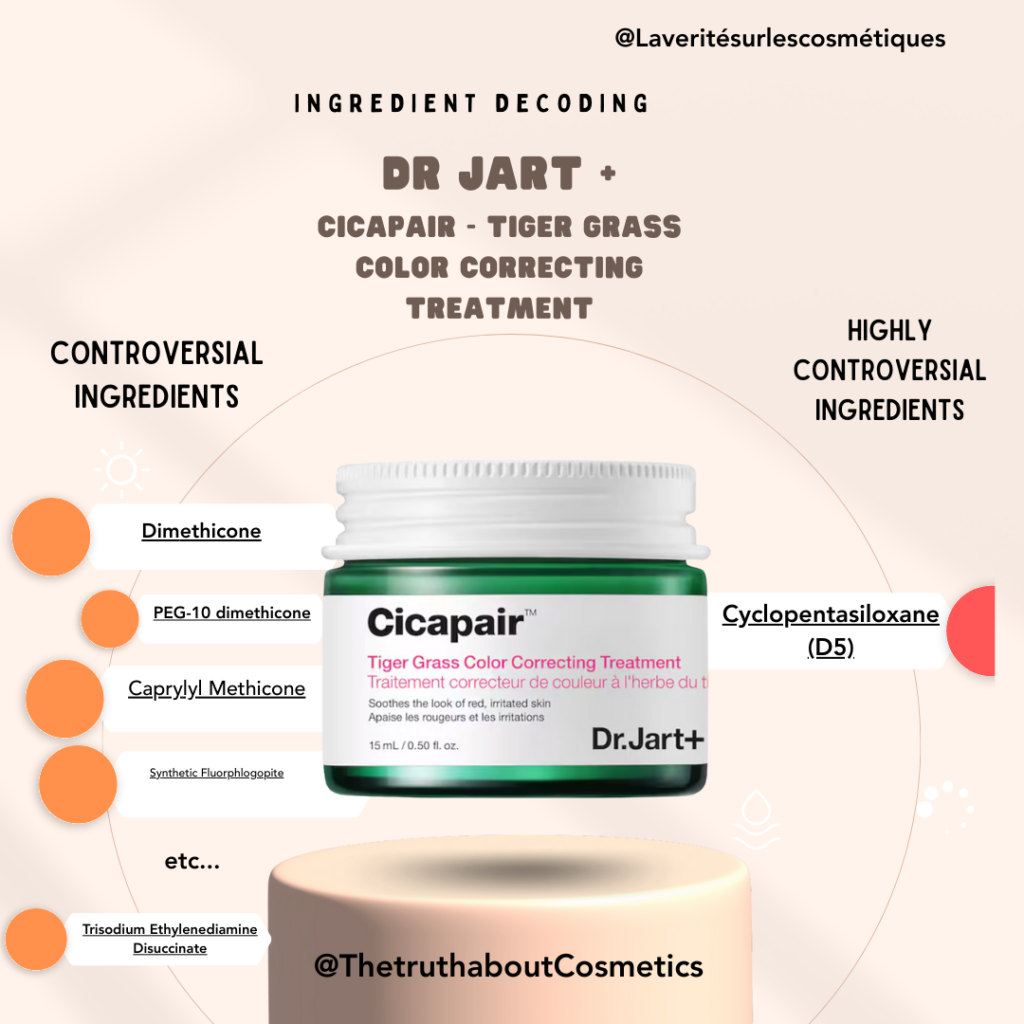
DR JART + Cicapair – Tiger Grass Color Correcting Treatment

Same here : this product has in its formula a couple of highly controversial, potentially toxic and also polluting ingredients, like :

  • CYCLOPENTASILOXANE (D5)
  • DIMETHICONE
  • PHENYL TRIMETHICONE
  • LAURYL PEG-8 DIMETHICONE
  • DIMETHICONE/VINYL DIMETHICONE CROSSPOLYMER,
  • PEG-10 DIMETHICONE,
  • TRISODIUM ETHYLENEDIAMINE DISUCCINATE,

etc

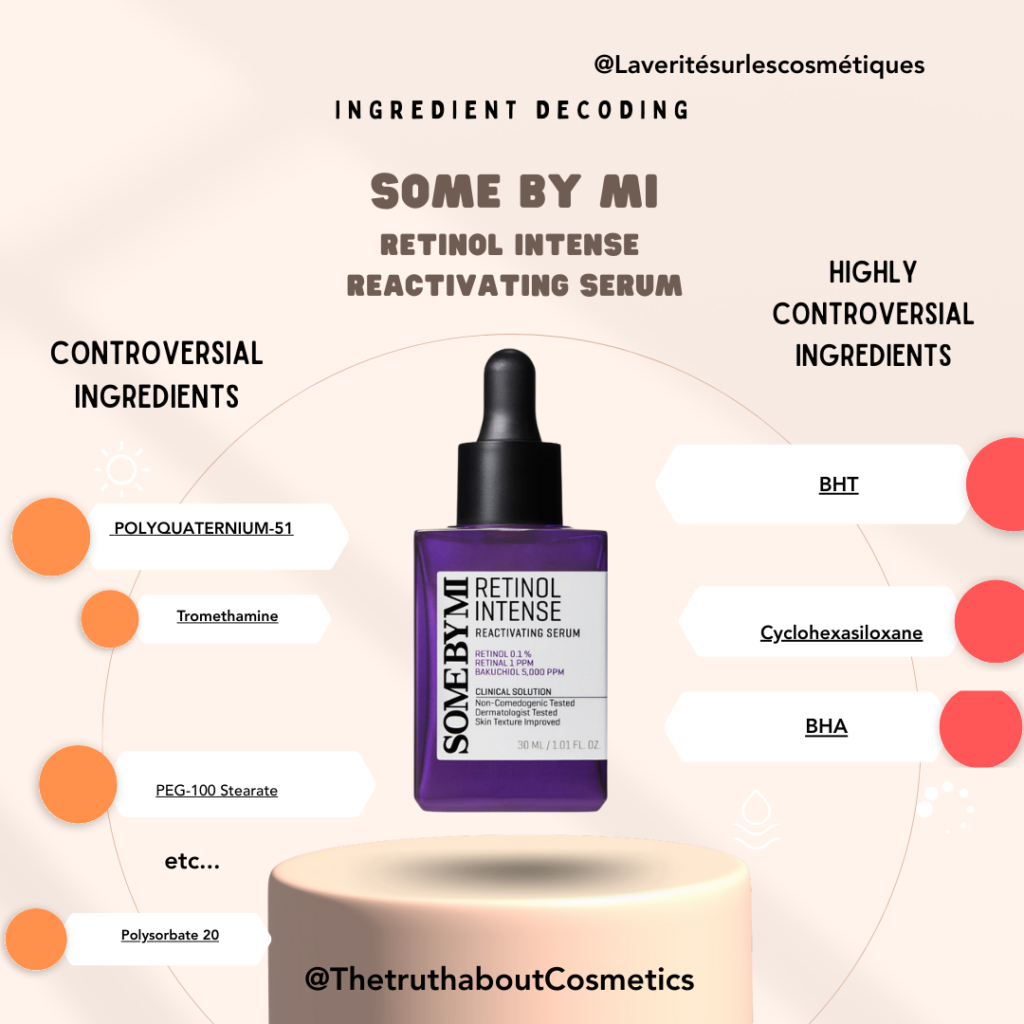
Some By Mi Retinol Intense Reactivating Serum

Again, same story here : this product has in its formula a couple of highly controversial, potentially toxic and also polluting ingredients, like :

  • BHT
  • BHA
  • CYCLOHEXASILOXANE
  • POLYQUATERNIUM-51,
  • TROMETHAMINE
  • PEG-100 STEARATE
  • POLYSORBATE 20
  • GLYCERYL POLYMETHACRYLATE
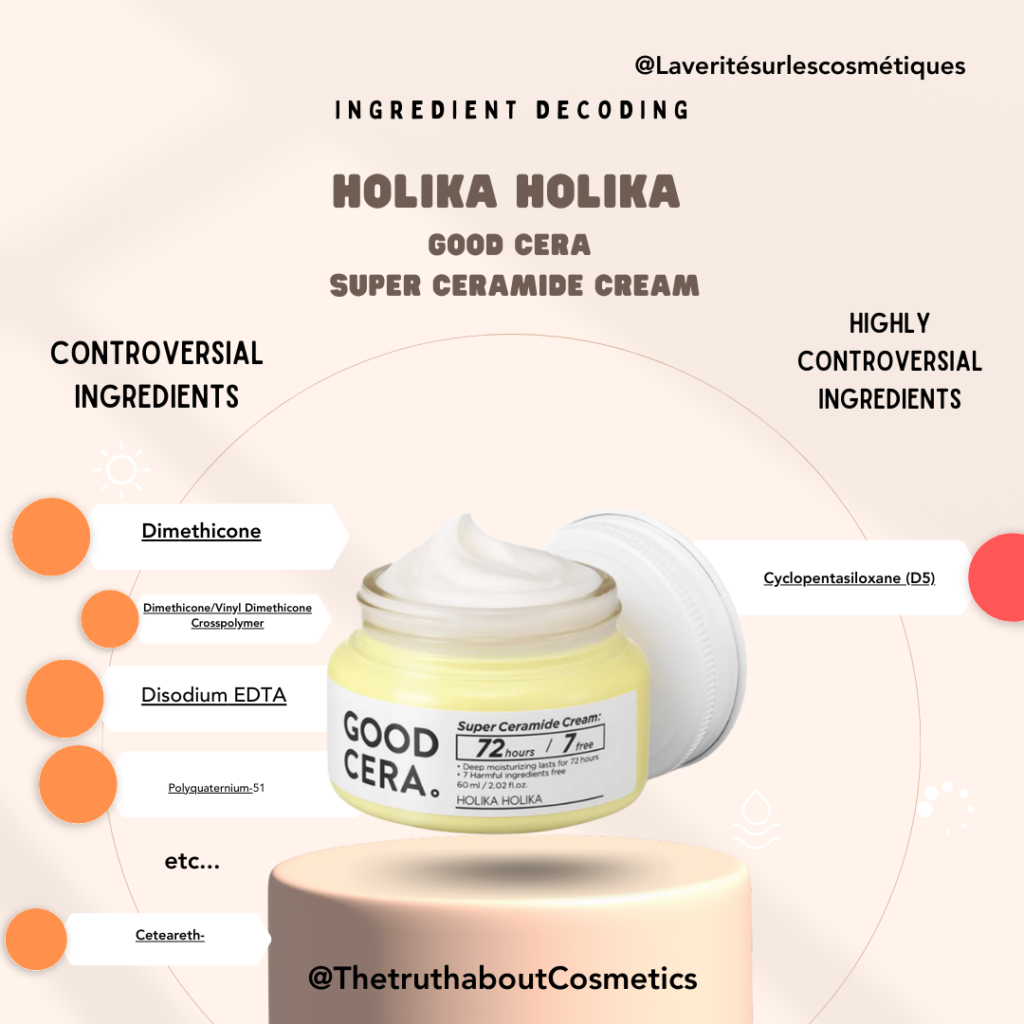
Holika Holika Good Cera Ceramide Cream ; controversial ingredients

HOLIKA HOLIKA Good Cera Super Ceramide Cream

Another exemple ; this cream contains a couple of highly controversial, potentially toxic and also polluting ingredients, like :

  • CYCLOHEXASILOXANE 
  • DIMETHICONE
  • Dimethicone/Vinyl Dimethicone Crosspolymer,
  • EDTA
  • Polyquaternium-51

What about the alternatives, then?

Luckily there are also nowadays K- beauty products with very clean formulas, without any of the highly controversial ingredients listed in the products above.

Let’s dive into a selection of K-Beauty product’s that highlight interesting classical and innovative  botanical  ingredients.
K-Beauty Product Transparency

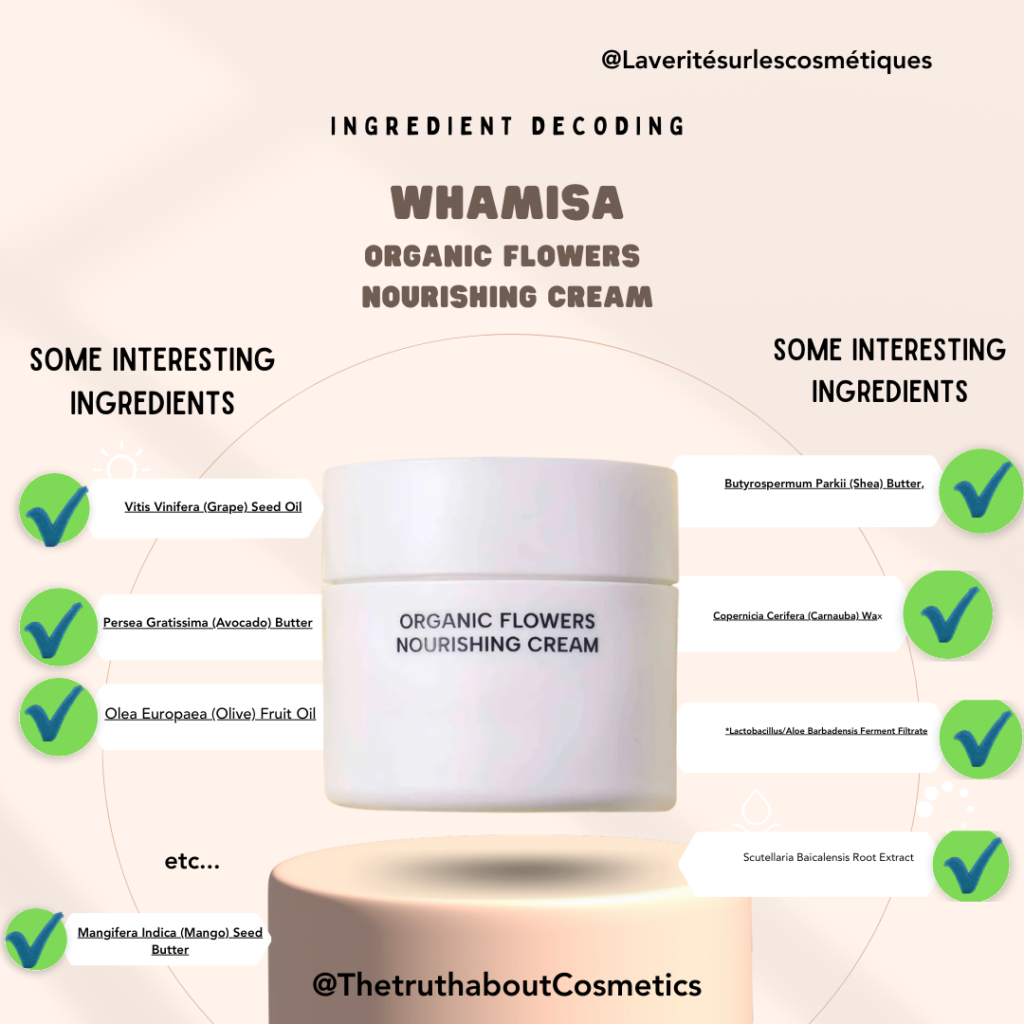
WHAMISA Organic Flowers Nourishing Cream

This natural & organic certified moisturizer doesn’t contain any controversial, potentially toxic or polluting ingredient.

The formula is based on carefully selected botanical, mainly organic ingredients and provides best quality skincare pour dry, mature and « normal » skin types.

  • Aloe barbadensis leaf extract*
  • Theobroma Cacao (Cocoa) Seed Butter
  • Persea Gratissima (Avocado) Butter,
  • Vitis Vinifera (Grape) Seed Oil,
  • Lactobacillus/Aloe Barbadensis Ferment Filtrate,
  • Euphorbia Cerifera (Candelilla) Wax,
  • Scutellaria Baicalensis Root Extract
WHAMISA Organic-Flowers Nourishing Cream
SanDaWha Camellia Intensive Essence: formulation

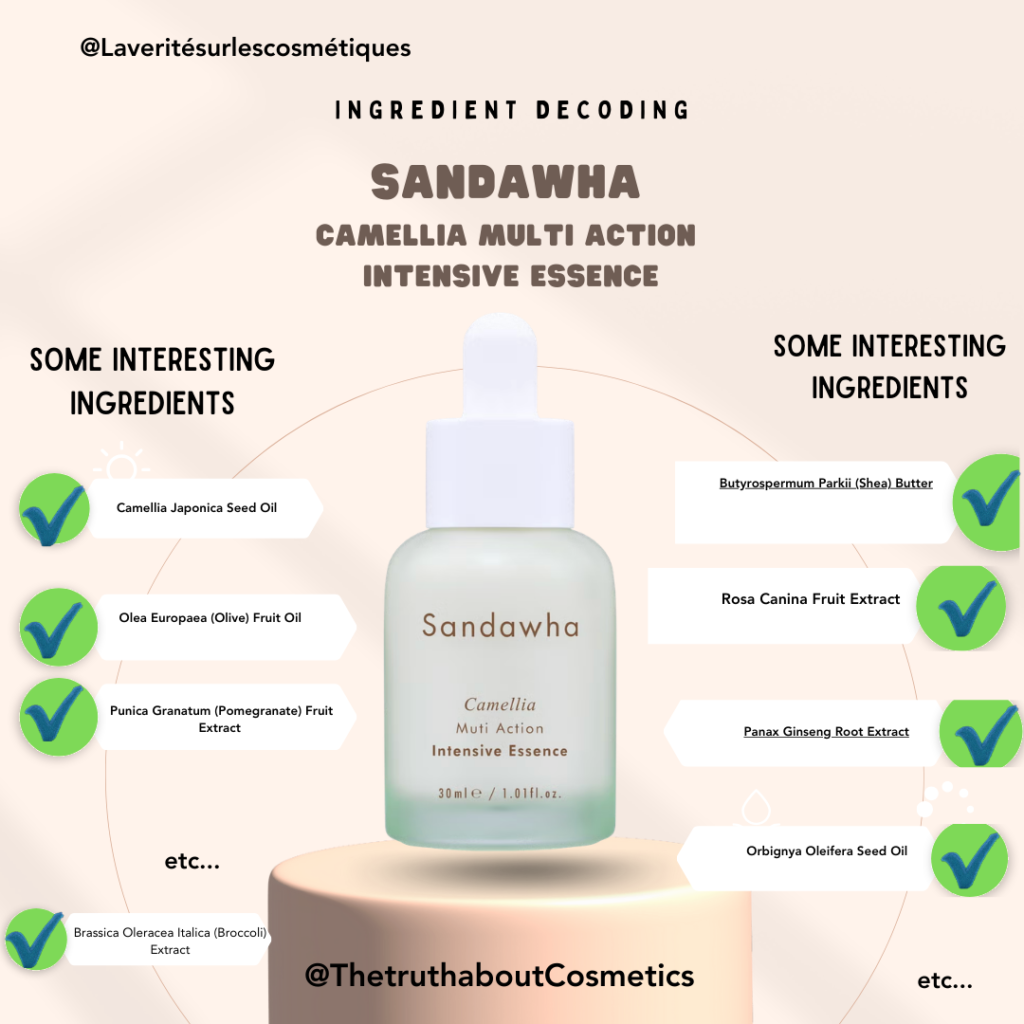
SANDAWHA Camellia Multi Action Intensive Essence

This natural & organic certified Serum doesn’t contain any controversial, potentially toxic or polluting ingredient.

The formula is based on carefully selected botanical, mainly organic ingredients and provides best quality skincare for mature skintypes, including, for example :

  • Centella Asiatica Extract
  • Camellia Japonica Flower Extract,
  • Camellia Japonica Seed Oil,
  • Magnolia Kobus Bark Extract,
  • Butyrospermum Parkii (Shea) Butter,
  • Rosa Canina Fruit Extract,
  • Panax Ginseng Root Extract,
  • Punica Granatum (Pomegranate) Fruit Extract,
  • Hizikia Fusiforme Extract

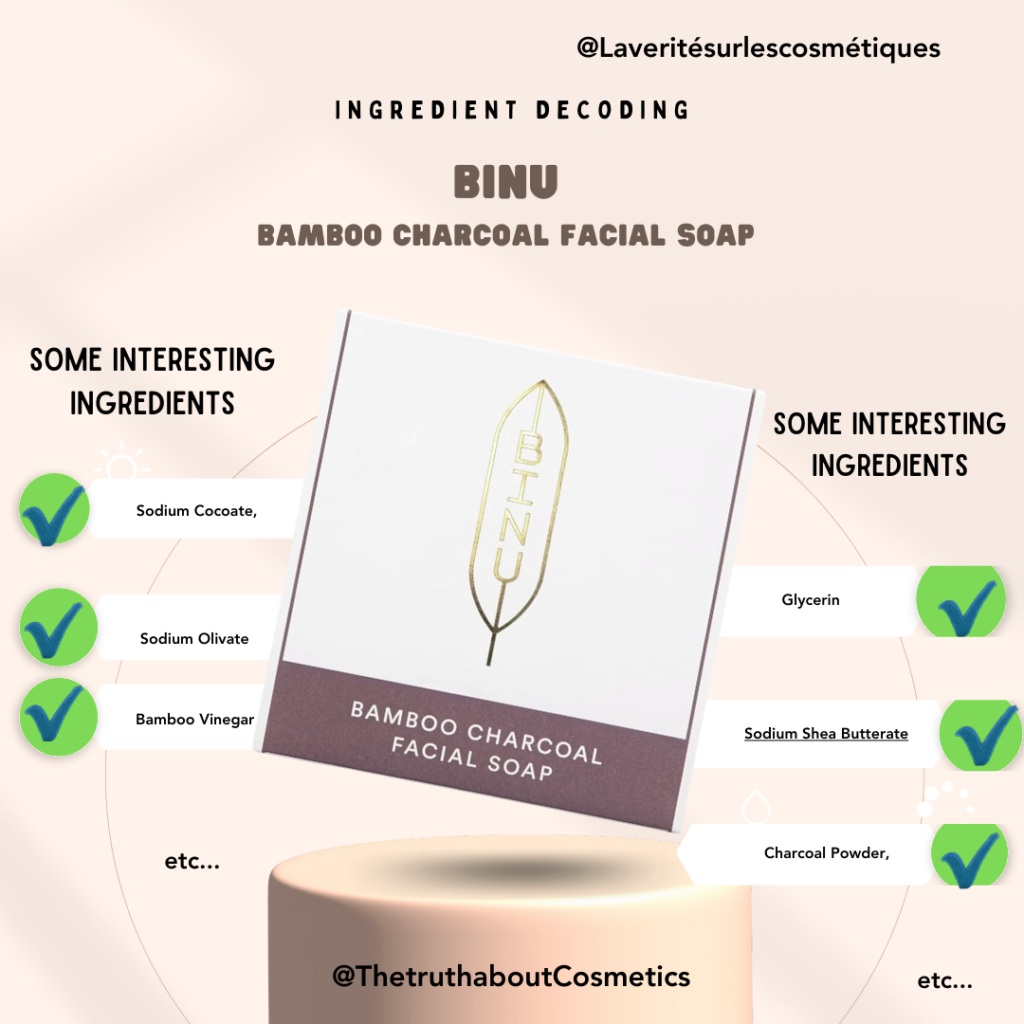
BINU Bamboo Charcoal facial soap 


This natural & organic certified Facial Soap doesn’t contain any controversial, potentially toxic or polluting ingredient.

The formula is based on carefully selected botanical, mainly organic ingredients and provides best quality skincare for mixtes skintypes, prone to imperfections – including, for example ingredients like :

  • Aloe barbadensis leaf extract*
  • Acacia decurrens flower wax
  • Acmella oleracea extract
  • Secale cereale (Rye) seed extract*
  • Boerhavia diffusa root extract
  • Algae extract
  • Leontopodium alpinium extract*
BINU Bamboo Charcoal Facial Soap : ingredients

FAQ – K-Beauty Cosmetic Ingredients

What are the main ingredients used in K-Beauty products?

K-Beauty highlights ingredients such as centella asiatica, ginseng, green tea, rice water, and ferments, alongside commonly used cosmetic ingredients like humectants and stabilizers.

Why is it important to analyze K-Beauty ingredients?

Analyzing ingredients helps verify whether marketing claims reflect the actual composition and understand the role of each component in the formula.

Are K-Beauty products mostly natural?

Natural ingredients are often promoted, but they are not necessarily present in high concentrations within the formulas.

What is the 10-step Korean skincare routine?

It refers to a multi-step skincare approach, but it is not mandatory and can be adapted depending on individual needs.

Are cosmetic regulations the same in Korea and Europe?

No. Some ingredients allowed or regulated in South Korea are banned in the European Union, making label decoding essential.

How to care for your skin during the perimenopause?

Ah the perimenopause….we didn’t expect it… so soon!

Most of the time, as long as it doesn’t affect us, for example, we think of the menopause phase as a sort of “on off” button. One day, you wake up, your period’s over and you find yourself condemned to walk around with a fan because of hot flushes, just like in the movies or in advertising. The reality is a little more nuanced and complex and goes beyond perimenopause skin care.

From Perimenopause to Menopause

The transition phase from perimenopause (the phase before menopause) to menopause can last up to 10 years. In Europe and most of the Western world, the average age is between 45 and 55* (51 on average in France).  Do the math: the onset of perimenopause therefore often occurs around the age of 40, and sometimes even earlier.

*(source: INSERM , WHO, etc ).  

Many things change in (peri)menopause, in this article we will also have a closer look at the best perimenopause skin care. 


Perimenopause skin care: an all-encompassing upheaval that affects more than just the skin

During perimenopause, the female body undergoes a series of changes that mark the transition to menopause. At this point, production of the main female hormones, estrogen and progesterone, fluctuates intensely, and then gradually declines over time. And this transition period marks significant hormonal changes that affect skin, hair and general health, as well as mood and mental health. 

Additionally, if you’re feeling a little overwhelmed during this period, and health care providers aren’t necessarily providing you with the answers to your (peri)menopausal problems, don’t hesitate to get informed and seek out more detailed information, available on various websites.


Perimenopause Skin Care
Perimenopause - the time before Menopause

Perimenopause skin care : changes in perimenopause

Hormonal fluctuations, particularly the drop in estrogen levels, can lead to drier, thinner skin, making it more prone to irritation and the appearance of wrinkles. Levels of elastin (which provides elasticity), hyaluronic acid (which helps retain and regulate moisture), certain vitamins and keratin also decline with age, which also weakens the skin’s outer protective barrier. 

External factors such as environmental pollution, weather conditions or bacteria can thus potentially more easily breach the protective barrier and subsequently damage the skin’s deeper layers. All these factors can further weaken the skin’s outer protective barrier (the famous hydrolipidic film). So it’s essential to adapt your skincare routine to meet your skin’s needs during this transitional phase.

In this article, we’ll guide you in choosing the adequate beauty products and cosmetics to use during the (peri)menopause, and also remind you of some controversial ingredients to avoid in cosmetic products. Skin care in perimenopause needs a slightly different approach.

Why does the skin become drier during perimenopause?

During perimenopause, the skin undergoes several transformations, mainly due to the decrease in female hormones, which play a key role in the production of collagen, elastin and sebum – essential for maintaining skin hydration and elasticity. Key skin changes include:

  • Skin dryness : reduced sebum levels make the skin drier.
  • Loss of elasticity : collagen levels fall, which can lead to skin slackening and the appearance of more pronounced wrinkles.
  • Increased sensitivity : skin becomes thinner, more fragile and reactive.
  • Blemishes: hormonal fluctuations can lead to blemishes, or even a flare-up of acne, as in adolescence.
  • Pigmentation spots : hormonal imbalances can lead to the appearance of brown spots
Skin changes in Perimenopause
Perimenopause : the skin needs change

Skin Care &  perimenopause : which products ?

Generally speaking, as the skin needs a little more care than before, beauty products rich in humectants and moisturizers, vegetable oils and butters, or glycerine, always make sense.

The importance of the « excipient », the base

Let’s not forget that a few isolated ingredients – however miraculous they may be – cannot guarantee a product’s “absolute efficacy”.

So we’re back to the same basic debate and question: what really determines a product’s efficacy? The answer is quite simple : it’s the base (also known as the “excipient”) of a formula that determines the quality and efficacy of a cosmetic product. In the words of K.P. Witten,  former Head of Development at Beiersdorf: “A quality excipient achieves 80% of the desired performance. Active ingredients, no matter how extraordinary, only account for the remaining 20%.” The quality of the care base is therefore paramount. And to assess the overall quality of a product, we of course add to the debate the absence of controversial components, genuinely problematic for health or questionable in environmental terms.

An quality beauty product that « works » = a product adapted to your needs

Besides, another key point is that an “effective” beauty product must also really correspond to the needs of the person and the condition of their skin… at the given time.  It may be that a skincare product is suited to your skin at a particular time of year, so it will be “effective” for you at that time. And your skin may have other needs at other times, so it’s time to change skincare products to find what’s most “effective” for you. One basic principle remains valid : listen to your skin’s needs, it’s always talking to you…

Which skincare products to choose for perimenopause? Here are a few tips…

The basic mixture (the excipient), preferably made up of precious plant-based oils or waxes (and not a mixture of mineral oils or silicones), can be complemented by interesting active ingredients such as hyaluronic acid or skin care products based on retinol and its derivatives, and antioxidants such as vitamins C and E to protect the surface, moisturize and hydrate deep down. 

Which could be the “best products” , the best skin care for perimenopausal skin?

Here’s a selection of products you can add to your beauty routine during perimenopause. But always listen to your skin’s real needs, without getting caught up in brand marketing pitches.

a) Add Serums based on hyaluronic acid

Hyaluronic acid is a molecule renowned for its ability to attract and retain water in the skin. Naturally present in the human body and in the skin, hyaluronic acid levels tend to decline over the years, leading progressively to skin slackening. An “external” contribution, via cosmetic products, therefore makes perfect sense.

Various studies have shown that using products containing hyaluronic acid can improve skin hydration and suppleness, thereby reducing the appearance of wrinkles. Hyaluronic acid-concentrated serums are therefore particularly suitable for perimenopausal skin, to compensate for moisture loss (or rather, the skin’s ability to maintain its moisture levels).

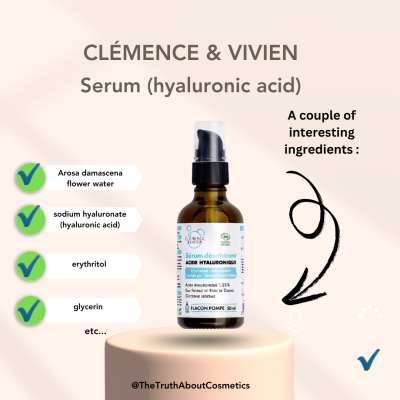
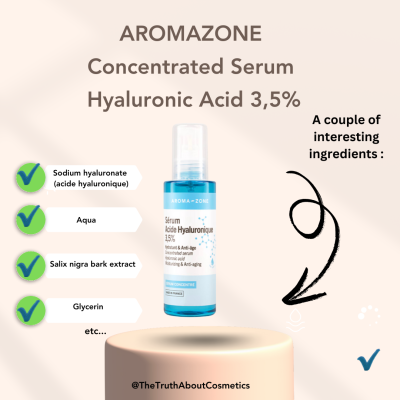
Product selection (by way of example) :

 
Hyaluronic Acid : perfect for skin care during permimenopause
Skin care routine in menopause : serum

b)  Choose moisturizers rich in essential fatty acids and ceramides

To combat dryness, opt for moisturizers containing essential fatty acids such as omega-3, 6 and 9 (naturally already present in plant oils and waxes) and ceramides.  These lipids, already naturally present in the epidermis, help restore the cutaneous barrier, retaining moisture in the skin.

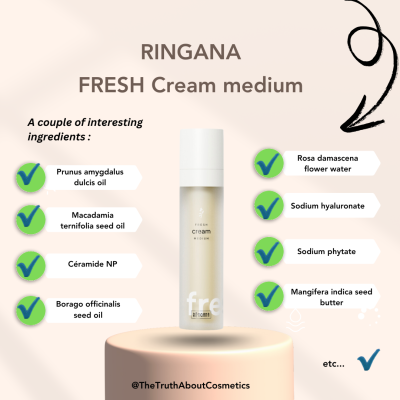
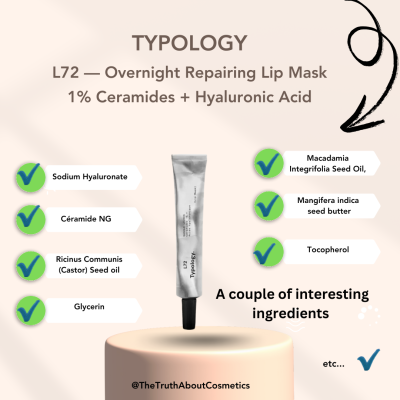
Product selection (by way of example) :


Copy of RINGANA Fresh Creal
Typology Lip Care

c) Testing products based on retinol or its derivatives

Retinol, a derivative of vitamin A, is one of the most widely studied « anti-aging » ingredients. This substance stimulates collagen production and accelerates cell renewal, helping to reduce the appearance of wrinkles and pigmentation spots. Several studies highlight retinol’s effectiveness in improving skin elasticity and epidermal density.  Retinol is of synthetic origin, and may not be suitable for all skin types.  Its use should be gradual, as it can sometimes irritate sensitive skin, causing sensations of irritation or even accentuating cutaneous dryness. It is also photo-sensitizing, which can cause brown spots on exposure to the sun.

What about alternatives to retinol?

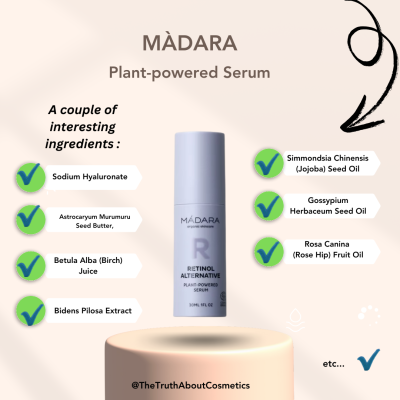
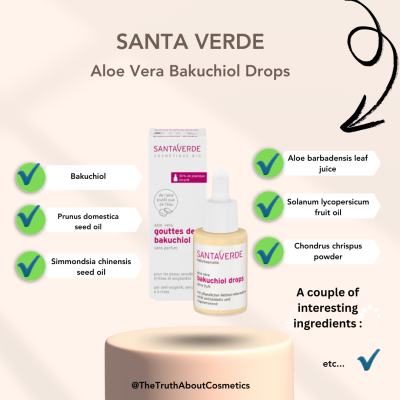
Often used in natural and organic cosmetics, Bakuchiol is a plant-based active ingredient generally extracted from the seeds of a herbaceous plant: Psoralea corylifolia . This 100% natural active ingredient boasts antioxidant and anti-inflammatory properties that soothe and slow down premature skin aging. Bakuchiol also appears to be effective in preventing excess sebum and the formation of skin imperfections, as well as blurring the intensity of hyperpigmentation marks. Other formulas based on plant extracts and other interesting substances can also “compete” with the benefits derived from synthetic Retinol.

Product selection (by way of example) :

 
MADARA plant-powered skincare for perimenopause
Santa Verde : plant-based retinol

4) Opt for antioxidant skin care products such as vitamins C and E

Antioxidants neutralize the free radicals responsible for premature skin aging. Vitamin C, for example, is particularly effective in evening out skin tone and reducing dark spots. Some studies have shown that topical application of vitamin C can promote collagen production. As for vitamin E, it helps strengthen the skin barrier and soothe irritation.

The importance of collagen

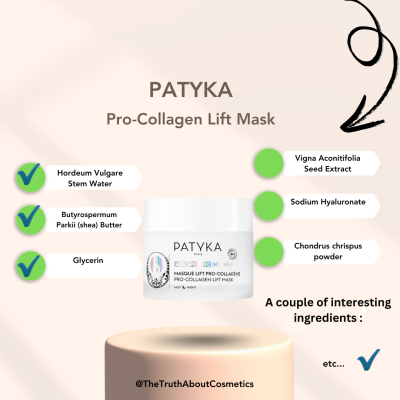
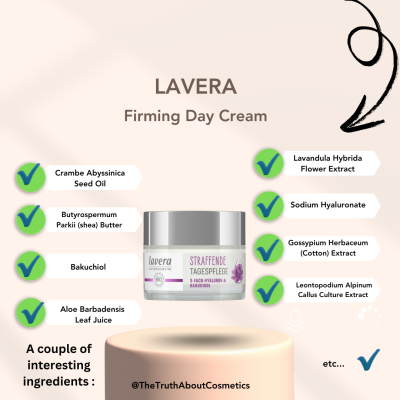
As a matter of fact, as we age, it’s normal and natural for collagen levels in our bodies to decline. Collagen levels begin to decline by around 1% every year from the age of 25. During the perimenopause phase, the skin loses around 30% of its collagen. Darker skins, naturally richer in collagen, retain their structural integrity and youthful appearance longer than lighter skins. Adding collagen in the form of dietary supplements can be an interesting additional solution. (see nutrition, below).

Product selection (by way of example) :

Patyka Pro Collagen for (peri)menopause
Lavera Firming Day Cream

Perimenopause and imperfections… the return of hormonal acne?

The inconveniences of the (peri)menopause are sometimes accompanied by skin imperfections and even acne flare-ups, similar to those seen in adolescence.

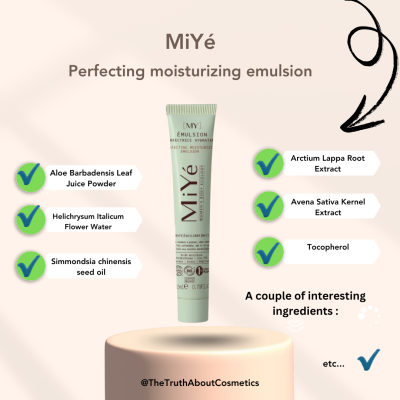
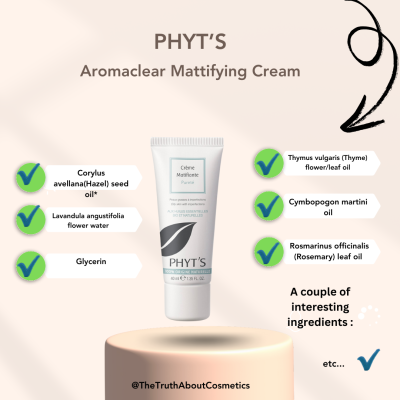
This is due to a reduction in the production of estrogen and progesterone, which help maintain a balanced inflammatory system. And the gradual decline in estrogen, which no longer counterbalances androgen secretion. Taking care of imperfections during perimenopause is important, but certainly not with just any product. After all, products for skin imperfections, such as those used during adolescence, are often far too aggressive and further disrupt the skin’s precious hydrolipidic film. There are now also specific products for the imperfections of mature skin, including organic cosmetics.

Product selection (by way of example) :


Miyé-perfecting-emulsion.jpg
PHYT's Aromaclear Mattifying Cream for hormonal imbalances

How to adapt your beauty routine to the (peri)menopause ?

 What would be the most suitable perimenopause skincare ?

For women in perimenopause and even menopause, the approach is relatively simple: favor cosmetics that are both gentle and moisturizing, while avoiding ingredients likely to further unbalance the metabolism or irritate the skin.

Ingredients to avoid in perimenopause

Which ones do you think they are?

All the controversial ingredients you’d do well to avoid for the rest of your life!

Focus on a few groups of problematic, potentially toxic and polluting ingredients. There’s no need to learn this list by heart – it’s bound to be incomplete, given the number of controversial ingredients that can be found in conventional cosmetics.

Remember : dont over simplify

This list is by no means exhaustive, and represents only a fraction of the problematic ingredients that can be found in cosmetics and beauty products in general. The issue itself is quite complex, as there are many problematic and controversial compounds at various levels in different categories of beauty products. The subject should therefore not be oversimplified and reduced to a few harmful ingredients.

There are, however, a few categories of highly problematic components, such as the following:

Educate Yourself on Controversial Ingredients

Start your journey by getting informed about controversial ingredients commonly found in beauty products. You can use the website’s free INCI research tool and dive deeper into the subject with the different articles on the website.

1. Educate Yourself on Endocrine Disruptors

Endocrine disruptors are harmful chemicals present in various beauty products. These chemicals can interfere with your hormonal balance and potentially lead to serious health issues. It is never enough to choose beauty products labeled as « paraben-free » as the products can still contain other endocrine disruptors or harmful ingredients. Certified organic cosmetics however, provide more guarantees, endocrine disruptors are simply not allowed in the formulation process by the different labels. If the product is not certified, make sure to check the ingredient list.

2. Avoid Silicones and mineral-oil derived ingredients (Petrolatum, etc)

Mineral oils and silicones are still widely used in cosmetics. In general, silicones take a heavy toll on the environment, as they are not, or only to a very limited extent, biodegradable. Some silicones (such as cyclopentasiloxane (D5), for example) are also considered potential endocrine disruptors.

Mineral oils are also widely used in cosmetics today, as they are less expensive than vegetable oils or waxes. Fragrance-free and colorless, they can easily be stored for long periods. These mineral oils used in cosmetics are derived from petroleum (= fossil fuels) and also represent a disastrous ecological balance sheet.

Moreover, mineral oils do not offer the same “skincare quality” as genuine vegetable oils or waxes, and can pose problems on a number of levels. For example, they may contain impurities such as MOSH and MOAH. These are aromatic hydrocarbons, substances classified as potentially carcinogenic, with a problem of accumulation in tissues.

3. Stay Away from PFAS (Perfluoroalkyl Substances)

PFAS (also known as « Forever Chemicals »)  are a group of chemicals used in many industries, including cosmetics. They have been linked to adverse health effects and are extremely persistent in the environment. This is a tremendous environmental concern, which of course concerns many other industries. Check the ingredient list for PFAS-related compounds like PTFE or perfluorooctanoic acid (PFOA) and educate yourself on the subject as well.

4. Be Mindful of certain synthetic Preservatives

Preservatives are essential to prevent the growth of harmful bacteria and extend the shelf life of cosmetics. However, some synthetic preservatives, such as formaldehyde releasers or phenoxyethanol have been linked to skin irritations and allergies and other more serious health concerns. Others fall into the category of endocrine disruptors (some parabens, triclosan, BHT etc).

The importance of lifestyle in perimenopause

Beyond the question of which beauty products to use during perimenopause, let’s not forget that cosmetics are only part of the global picture. To get better and cope better with the symptoms, you should (re)consider your daily lifestyle : diet, stress management, sleep, physical activity, alcohol and tobacco consumption, social ties, etc., etc… The classics !

Skincare in Perimenopause food

Can diet influence what the skin looks like during perimenopause?

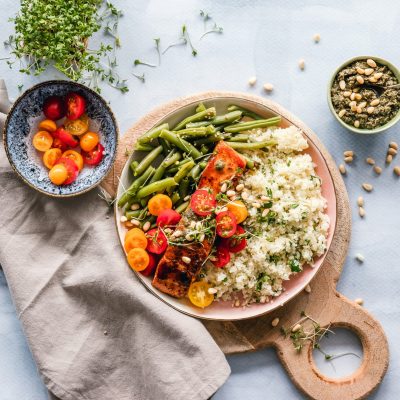
In addition to skin care, diet plays a crucial role in maintaining skin and body healthy during perimenopause. A diet rich in antioxidants, vitamins (A, C, E) and omega-3 fatty acids can help support skin aging and maintain skin hydration. Foods such as oily fish (salmon, mackerel), nuts, fresh fruit and vegetables (especially berries, spinach, citrus fruits), and vegetable oils (olive oil, linseed oil) are considered particularly beneficial.

Food supplements specifically designed for (peri)menopause

Certain dietary supplements can also be of great help. Hydrolyzed collagen, for example, is often recommended to improve skin elasticity and firmness. Many of our body’s vital structures depend on collagen for strength and support. Collagen is an important building block of our skin, bones, muscles, tendons, ligaments, blood vessels, corneas and teeth. Collagen therefore plays an essential role in maintaining the suppleness and hydration of all these body parts.

Phytoestrogens (found naturally in flaxseed, soy or in the form of dietary supplements) can also help compensate for the drop in estrogen. Finally, vitamin D and calcium are essential for bone health, which can be affected by hormonal fluctuations, while probiotics support digestion and can contribute to better absorption of nutrients beneficial to the skin.

How can dietary supplements help perimenopausal skin?

Adopting a balanced diet and taking the right supplements can not only improve the appearance of the skin, but also support overall health during this transitional phase.

.

 Frequently Asked Questions About Perimenopause Skincare

What happens to the skin during perimenopause?

Hormonal fluctuations during perimenopause can lead to dryness, loss of elasticity, increased sensitivity and adult acne due to declining estrogen levels, among other hormonal changes.

What is the best skincare routine during perimenopause?

A perimenopause skincare routine should focus on gentle cleansing, barrier repair, deep hydration and avoiding controversial ingredients that disrupt hormonal balance or other problematic components.

Can perimenopause cause sudden acne or skin sensitivity?

Yes. Hormonal imbalance can trigger breakouts, redness and increased skin reactivity even in people who never had sensitive skin before.

Which ingredients should be avoided during perimenopause?

It is recommended to avoid harsh exfoliants, overly fragranced products (synthetic fragrances) and potential endocrine disruptors that may interfere with hormonal balance.

Should skincare change at the start of perimenopause?

Yes. Adjusting skincare early can help prevent long-term skin issues and better support hormonal skin changes. But keep in mind that every person’s overall needs and skin changes will be different.

Conclusion : perimenopause skin care

Perimenopause is a pivotal phase in a woman’s life, and the skin’s needs will evolve with hormonal changes. Adapting your skincare routine with specific moisturizing and protective products can help preserve the skin’s radiance and health.

Furthermore, avoiding controversial, potentially toxic ingredients on a daily basis (and not just in cosmetics!) remains essential to limit potential health risks in general, and preserve hormonal balance wherever possible.

Adopting the right gestures and choosing the adequate beauty products is part of the process. The other part would be to find the perfect personal “lifestyle” formula for your daily life at this stage (diet, physical activity, etc.). The one that will enable you to get through this period a little more serenely, while taking care of yourself. And don’t forget that many other women will be confronted with similar problems, so exchanging on the subject will be part of the program to get better!

Skincare perimenopause and menopause
Perimenopause skincare for sensitive skin
perimenopause, beyond skincare