the truth about cosmetics

How Perimenopause Changes Your Skin — and How to Adapt Your Skincare Routine

How to care for your skin during the perimenopause?

Ah the perimenopause….we didn’t expect it… so soon!

Most of the time, as long as it doesn’t affect us, for example, we think of the menopause phase as a sort of “on off” button. One day, you wake up, your period’s over and you find yourself condemned to walk around with a fan because of hot flushes, just like in the movies or in advertising. The reality is a little more nuanced and complex and goes beyond perimenopause skin care.

From Perimenopause to Menopause

The transition phase from perimenopause (the phase before menopause) to menopause can last up to 10 years. In Europe and most of the Western world, the average age is between 45 and 55* (51 on average in France).  Do the math: the onset of perimenopause therefore often occurs around the age of 40, and sometimes even earlier.

*(source: INSERM , WHO, etc ).  

Many things change in (peri)menopause, in this article we will also have a closer look at the best perimenopause skin care. 


Perimenopause skin care: an all-encompassing upheaval that affects more than just the skin

During perimenopause, the female body undergoes a series of changes that mark the transition to menopause. At this point, production of the main female hormones, estrogen and progesterone, fluctuates intensely, and then gradually declines over time. And this transition period marks significant hormonal changes that affect skin, hair and general health, as well as mood and mental health. 

Additionally, if you’re feeling a little overwhelmed during this period, and health care providers aren’t necessarily providing you with the answers to your (peri)menopausal problems, don’t hesitate to get informed and seek out more detailed information, available on various websites.


Perimenopause Skin Care
Perimenopause - the time before Menopause

Perimenopause skin care : changes in perimenopause

Hormonal fluctuations, particularly the drop in estrogen levels, can lead to drier, thinner skin, making it more prone to irritation and the appearance of wrinkles. Levels of elastin (which provides elasticity), hyaluronic acid (which helps retain and regulate moisture), certain vitamins and keratin also decline with age, which also weakens the skin’s outer protective barrier. 

External factors such as environmental pollution, weather conditions or bacteria can thus potentially more easily breach the protective barrier and subsequently damage the skin’s deeper layers. All these factors can further weaken the skin’s outer protective barrier (the famous hydrolipidic film). So it’s essential to adapt your skincare routine to meet your skin’s needs during this transitional phase.

In this article, we’ll guide you in choosing the adequate beauty products and cosmetics to use during the (peri)menopause, and also remind you of some controversial ingredients to avoid in cosmetic products. Skin care in perimenopause needs a slightly different approach.

Why does the skin become drier during perimenopause?

During perimenopause, the skin undergoes several transformations, mainly due to the decrease in female hormones, which play a key role in the production of collagen, elastin and sebum – essential for maintaining skin hydration and elasticity. Key skin changes include:
  • Skin dryness : reduced sebum levels make the skin drier.
  • Loss of elasticity : collagen levels fall, which can lead to skin slackening and the appearance of more pronounced wrinkles.
  • Increased sensitivity : skin becomes thinner, more fragile and reactive.
  • Blemishes: hormonal fluctuations can lead to blemishes, or even a flare-up of acne, as in adolescence.
  • Pigmentation spots : hormonal imbalances can lead to the appearance of brown spots
Skin changes in Perimenopause
Perimenopause : the skin needs change

Skin Care &  perimenopause : which products ?

Generally speaking, as the skin needs a little more care than before, beauty products rich in humectants and moisturizers, vegetable oils and butters, or glycerine, always make sense.

The importance of the « excipient », the base

Let’s not forget that a few isolated ingredients – however miraculous they may be – cannot guarantee a product’s “absolute efficacy”.

So we’re back to the same basic debate and question: what really determines a product’s efficacy? The answer is quite simple : it’s the base (also known as the “excipient”) of a formula that determines the quality and efficacy of a cosmetic product. In the words of K.P. Witten,  former Head of Development at Beiersdorf: “A quality excipient achieves 80% of the desired performance. Active ingredients, no matter how extraordinary, only account for the remaining 20%.” The quality of the care base is therefore paramount. And to assess the overall quality of a product, we of course add to the debate the absence of controversial components, genuinely problematic for health or questionable in environmental terms.

An quality beauty product that « works » = a product adapted to your needs

Besides, another key point is that an “effective” beauty product must also really correspond to the needs of the person and the condition of their skin… at the given time.  It may be that a skincare product is suited to your skin at a particular time of year, so it will be “effective” for you at that time. And your skin may have other needs at other times, so it’s time to change skincare products to find what’s most “effective” for you. One basic principle remains valid : listen to your skin’s needs, it’s always talking to you…

Which skincare products to choose for perimenopause? Here are a few tips…

The basic mixture (the excipient), preferably made up of precious plant-based oils or waxes (and not a mixture of mineral oils or silicones), can be complemented by interesting active ingredients such as hyaluronic acid or skin care products based on retinol and its derivatives, and antioxidants such as vitamins C and E to protect the surface, moisturize and hydrate deep down. 

Which could be the “best products” , the best skin care for perimenopausal skin?

Here’s a selection of products you can add to your beauty routine during perimenopause. But always listen to your skin’s real needs, without getting caught up in brand marketing pitches.

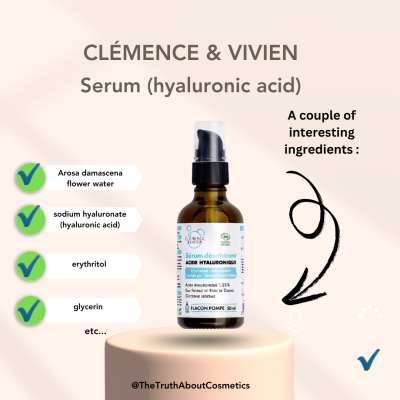
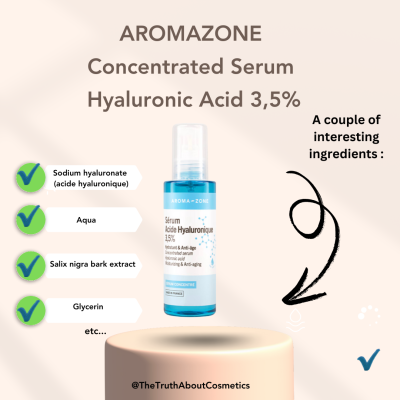
a) Add Serums based on hyaluronic acid

Hyaluronic acid is a molecule renowned for its ability to attract and retain water in the skin. Naturally present in the human body and in the skin, hyaluronic acid levels tend to decline over the years, leading progressively to skin slackening. An “external” contribution, via cosmetic products, therefore makes perfect sense.

Various studies have shown that using products containing hyaluronic acid can improve skin hydration and suppleness, thereby reducing the appearance of wrinkles. Hyaluronic acid-concentrated serums are therefore particularly suitable for perimenopausal skin, to compensate for moisture loss (or rather, the skin’s ability to maintain its moisture levels).

Product selection (by way of example) :

 
Hyaluronic Acid : perfect for skin care during permimenopause
Skin care routine in menopause : serum

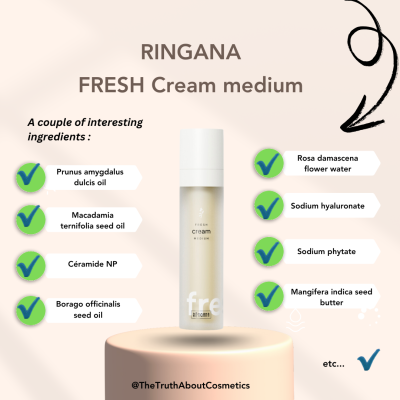
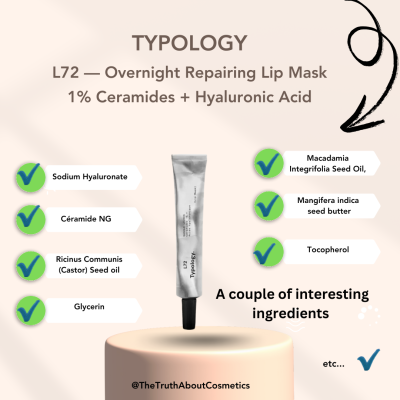
b)  Choose moisturizers rich in essential fatty acids and ceramides

To combat dryness, opt for moisturizers containing essential fatty acids such as omega-3, 6 and 9 (naturally already present in plant oils and waxes) and ceramides.  These lipids, already naturally present in the epidermis, help restore the cutaneous barrier, retaining moisture in the skin.

Product selection (by way of example) :


Copy of RINGANA Fresh Creal
Typology Lip Care

c) Testing products based on retinol or its derivatives

Retinol, a derivative of vitamin A, is one of the most widely studied « anti-aging » ingredients. This substance stimulates collagen production and accelerates cell renewal, helping to reduce the appearance of wrinkles and pigmentation spots. Several studies highlight retinol’s effectiveness in improving skin elasticity and epidermal density.  Retinol is of synthetic origin, and may not be suitable for all skin types.  Its use should be gradual, as it can sometimes irritate sensitive skin, causing sensations of irritation or even accentuating cutaneous dryness. It is also photo-sensitizing, which can cause brown spots on exposure to the sun.

What about alternatives to retinol?

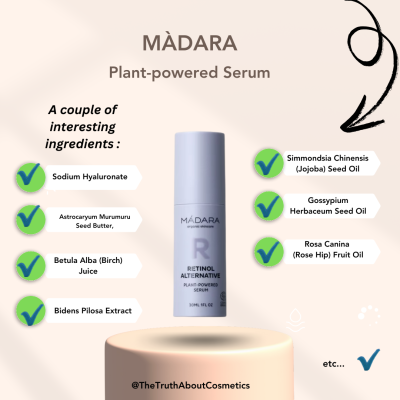
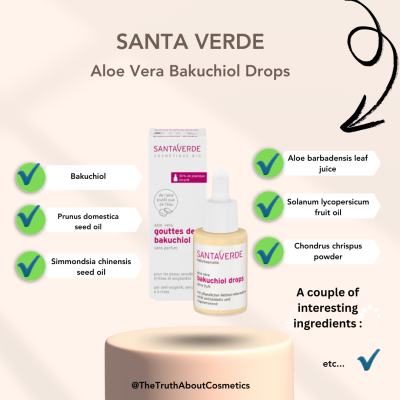
Often used in natural and organic cosmetics, Bakuchiol is a plant-based active ingredient generally extracted from the seeds of a herbaceous plant: Psoralea corylifolia . This 100% natural active ingredient boasts antioxidant and anti-inflammatory properties that soothe and slow down premature skin aging. Bakuchiol also appears to be effective in preventing excess sebum and the formation of skin imperfections, as well as blurring the intensity of hyperpigmentation marks. Other formulas based on plant extracts and other interesting substances can also “compete” with the benefits derived from synthetic Retinol.

Product selection (by way of example) :

 
MADARA plant-powered skincare for perimenopause
Santa Verde : plant-based retinol

4) Opt for antioxidant skin care products such as vitamins C and E

Antioxidants neutralize the free radicals responsible for premature skin aging. Vitamin C, for example, is particularly effective in evening out skin tone and reducing dark spots. Some studies have shown that topical application of vitamin C can promote collagen production. As for vitamin E, it helps strengthen the skin barrier and soothe irritation.

The importance of collagen

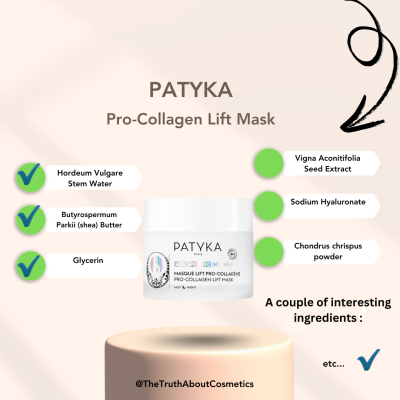
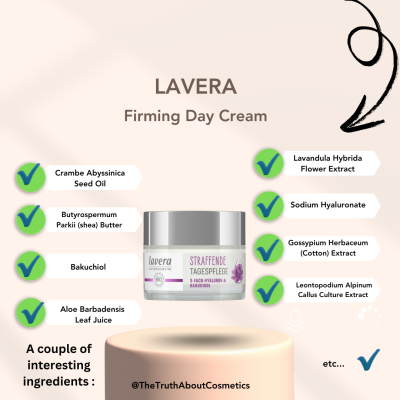
As a matter of fact, as we age, it’s normal and natural for collagen levels in our bodies to decline. Collagen levels begin to decline by around 1% every year from the age of 25. During the perimenopause phase, the skin loses around 30% of its collagen. Darker skins, naturally richer in collagen, retain their structural integrity and youthful appearance longer than lighter skins. Adding collagen in the form of dietary supplements can be an interesting additional solution. (see nutrition, below).

Product selection (by way of example) :

Patyka Pro Collagen for (peri)menopause
Lavera Firming Day Cream

Perimenopause and imperfections… the return of hormonal acne?

The inconveniences of the (peri)menopause are sometimes accompanied by skin imperfections and even acne flare-ups, similar to those seen in adolescence.

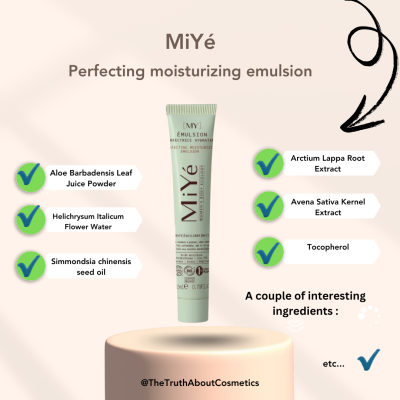
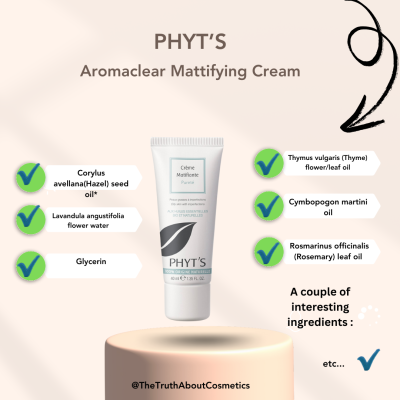
This is due to a reduction in the production of estrogen and progesterone, which help maintain a balanced inflammatory system. And the gradual decline in estrogen, which no longer counterbalances androgen secretion. Taking care of imperfections during perimenopause is important, but certainly not with just any product. After all, products for skin imperfections, such as those used during adolescence, are often far too aggressive and further disrupt the skin’s precious hydrolipidic film. There are now also specific products for the imperfections of mature skin, including organic cosmetics.

Product selection (by way of example) :


Miyé-perfecting-emulsion.jpg
PHYT's Aromaclear Mattifying Cream for hormonal imbalances

How to adapt your beauty routine to the (peri)menopause ?

 What would be the most suitable perimenopause skincare ?

For women in perimenopause and even menopause, the approach is relatively simple: favor cosmetics that are both gentle and moisturizing, while avoiding ingredients likely to further unbalance the metabolism or irritate the skin.

Ingredients to avoid in perimenopause

Which ones do you think they are?

All the controversial ingredients you’d do well to avoid for the rest of your life!

Focus on a few groups of problematic, potentially toxic and polluting ingredients. There’s no need to learn this list by heart – it’s bound to be incomplete, given the number of controversial ingredients that can be found in conventional cosmetics.

Remember : dont over simplify

This list is by no means exhaustive, and represents only a fraction of the problematic ingredients that can be found in cosmetics and beauty products in general. The issue itself is quite complex, as there are many problematic and controversial compounds at various levels in different categories of beauty products. The subject should therefore not be oversimplified and reduced to a few harmful ingredients.

There are, however, a few categories of highly problematic components, such as the following:

Educate Yourself on Controversial Ingredients

Start your journey by getting informed about controversial ingredients commonly found in beauty products. You can use the website’s free INCI research tool and dive deeper into the subject with the different articles on the website.

1. Educate Yourself on Endocrine Disruptors

Endocrine disruptors are harmful chemicals present in various beauty products. These chemicals can interfere with your hormonal balance and potentially lead to serious health issues. It is never enough to choose beauty products labeled as « paraben-free » as the products can still contain other endocrine disruptors or harmful ingredients. Certified organic cosmetics however, provide more guarantees, endocrine disruptors are simply not allowed in the formulation process by the different labels. If the product is not certified, make sure to check the ingredient list.

2. Avoid Silicones and mineral-oil derived ingredients (Petrolatum, etc)

Mineral oils and silicones are still widely used in cosmetics. In general, silicones take a heavy toll on the environment, as they are not, or only to a very limited extent, biodegradable. Some silicones (such as cyclopentasiloxane (D5), for example) are also considered potential endocrine disruptors.

Mineral oils are also widely used in cosmetics today, as they are less expensive than vegetable oils or waxes. Fragrance-free and colorless, they can easily be stored for long periods. These mineral oils used in cosmetics are derived from petroleum (= fossil fuels) and also represent a disastrous ecological balance sheet.

Moreover, mineral oils do not offer the same “skincare quality” as genuine vegetable oils or waxes, and can pose problems on a number of levels. For example, they may contain impurities such as MOSH and MOAH. These are aromatic hydrocarbons, substances classified as potentially carcinogenic, with a problem of accumulation in tissues.

3. Stay Away from PFAS (Perfluoroalkyl Substances)

PFAS (also known as « Forever Chemicals »)  are a group of chemicals used in many industries, including cosmetics. They have been linked to adverse health effects and are extremely persistent in the environment. This is a tremendous environmental concern, which of course concerns many other industries. Check the ingredient list for PFAS-related compounds like PTFE or perfluorooctanoic acid (PFOA) and educate yourself on the subject as well.

4. Be Mindful of certain synthetic Preservatives

Preservatives are essential to prevent the growth of harmful bacteria and extend the shelf life of cosmetics. However, some synthetic preservatives, such as formaldehyde releasers or phenoxyethanol have been linked to skin irritations and allergies and other more serious health concerns. Others fall into the category of endocrine disruptors (some parabens, triclosan, BHT etc).

The importance of lifestyle in perimenopause

Beyond the question of which beauty products to use during perimenopause, let’s not forget that cosmetics are only part of the global picture. To get better and cope better with the symptoms, you should (re)consider your daily lifestyle : diet, stress management, sleep, physical activity, alcohol and tobacco consumption, social ties, etc., etc… The classics !

Skincare in Perimenopause food

Can diet influence what the skin looks like during perimenopause?

In addition to skin care, diet plays a crucial role in maintaining skin and body healthy during perimenopause. A diet rich in antioxidants, vitamins (A, C, E) and omega-3 fatty acids can help support skin aging and maintain skin hydration. Foods such as oily fish (salmon, mackerel), nuts, fresh fruit and vegetables (especially berries, spinach, citrus fruits), and vegetable oils (olive oil, linseed oil) are considered particularly beneficial.

Food supplements specifically designed for (peri)menopause

Certain dietary supplements can also be of great help. Hydrolyzed collagen, for example, is often recommended to improve skin elasticity and firmness. Many of our body’s vital structures depend on collagen for strength and support. Collagen is an important building block of our skin, bones, muscles, tendons, ligaments, blood vessels, corneas and teeth. Collagen therefore plays an essential role in maintaining the suppleness and hydration of all these body parts.

Phytoestrogens (found naturally in flaxseed, soy or in the form of dietary supplements) can also help compensate for the drop in estrogen. Finally, vitamin D and calcium are essential for bone health, which can be affected by hormonal fluctuations, while probiotics support digestion and can contribute to better absorption of nutrients beneficial to the skin.

How can dietary supplements help perimenopausal skin?

Adopting a balanced diet and taking the right supplements can not only improve the appearance of the skin, but also support overall health during this transitional phase.

.

 Frequently Asked Questions About Perimenopause Skincare

What happens to the skin during perimenopause?

Hormonal fluctuations during perimenopause can lead to dryness, loss of elasticity, increased sensitivity and adult acne due to declining estrogen levels, among other hormonal changes.

What is the best skincare routine during perimenopause?

A perimenopause skincare routine should focus on gentle cleansing, barrier repair, deep hydration and avoiding controversial ingredients that disrupt hormonal balance or other problematic components.

Can perimenopause cause sudden acne or skin sensitivity?

Yes. Hormonal imbalance can trigger breakouts, redness and increased skin reactivity even in people who never had sensitive skin before.

Which ingredients should be avoided during perimenopause?

It is recommended to avoid harsh exfoliants, overly fragranced products (synthetic fragrances) and potential endocrine disruptors that may interfere with hormonal balance.

Should skincare change at the start of perimenopause?

Yes. Adjusting skincare early can help prevent long-term skin issues and better support hormonal skin changes. But keep in mind that every person’s overall needs and skin changes will be different.

Conclusion : perimenopause skin care

Perimenopause is a pivotal phase in a woman’s life, and the skin’s needs will evolve with hormonal changes. Adapting your skincare routine with specific moisturizing and protective products can help preserve the skin’s radiance and health.

Furthermore, avoiding controversial, potentially toxic ingredients on a daily basis (and not just in cosmetics!) remains essential to limit potential health risks in general, and preserve hormonal balance wherever possible.

Adopting the right gestures and choosing the adequate beauty products is part of the process. The other part would be to find the perfect personal “lifestyle” formula for your daily life at this stage (diet, physical activity, etc.). The one that will enable you to get through this period a little more serenely, while taking care of yourself. And don’t forget that many other women will be confronted with similar problems, so exchanging on the subject will be part of the program to get better!

Skincare perimenopause and menopause
Perimenopause skincare for sensitive skin
perimenopause, beyond skincare

 Switching to non toxic beauty products, face moisturizers in review

In recent years, there has been a growing concern about the potentially harmful chemicals found in many beauty products. From endocrine disruptors to PFAS, silicones, phthalates or parabens (just to name the most infamous ones) there are a plethora of ingredients in conventional cosmetics that have been linked to negative health effects or cause considerable harm to the environment (also harming both humans and animals again, in the end). For those looking to switch to safer alternatives, the world of non toxic beauty products offers an interesting  panel of alternatives.

But before we have a closer look at the products themselves and alternatives to non toxic produits, let’s review a couple of ingredient groups that should be avoided in beauty products.

Focus on some problematic, potentially toxic and polluting groups of ingredients

Please keep in mind that this list is absolutely not complete and represents only a part of controversial ingredients that can be found in cosmetics and beauty products . The issue in itself is quite complex as there are numerous problematic compounds ind beauty products and the subject should therefore not be over-simplified and reduced to a couple of harmful ingredients.

There are however large groups of highly problematic components, like the following ones.

Endocrine disruptors

Endocrine disruptors, -substances that interfere with our hormones-, can be found in numerous everyday objects (e.g. cosmetics, pesticides, detergents, plastics, furnishing, medicine, textiles, etc.).

And their impact on health?

Theses substances can impact health on numerous levels, for example by modifying the natural production of our intrinsic hormones (oestrogen, testosterone) mimicking the action of these hormones or blocking or preventing the action of these hormones, by attaching themselves to the receptors with which they usually interact.

Hormonal interferences

All these hormonal interferences can be linked to important health problems such as, hormone-dependent cancers, infertility problems, earlier puberty and other diseases such as diabetes/obesity, etc. For more in detail information, you can read the full article including more details.

PFAS -also called « Forever Chemicals »

PFASs, poly- and perfluoroalkyl substances (aka Forever Chemicals), are chemical substances consisting of about 4,000 to 6,000 different components. PFASs are extremely persistent, spread rapidly and are not or only very partially, biodegradable. These substances can be found in many everyday products like textiles, food packaging, cosmetics, pesticides, kitchen utensils, varnishes and numerous other common items.

All things considered, what are the health risks for PFAS?

As PFAS are not destroyed in the human body, they tend to bioaccumulate and therefore increase health risks. Numerous PFASs are strongly suspected of being toxic, with health risks to humans, animals and the environment.

These include effects on the hormonal system (acting again as endocrine disruptors), the immune system, reproduction and unborn child development. The exact properties differ for each specific PFAS. These substances can accumulate in the human body, in animals and in plants.

Mineral oils and silicones

Both  mineral oils and silicones are commonly used in beauty products to create a smooth texture and long-lasting effects. In general, silicones represent a huge toll on the environment, as they are not biodegradable. Some silicones (like Cyclopentasiloxane (D5), for instance) are also potential endocrine disruptors. Mineral oils used in cosmetic products are derived from petroleum (= fossil fuels). They are still widely used in cosmetics, as they are cheaper than vegetal oils or waxes, fragrance free and colourless,  and can easily be kept over a long time.

Mineral oils do not offer the same quality of care as genuine vegetable oils or waxes, and can pose problems on a number of levels. Mineral oils can, for instance, sometimes contain impurities such as MOSH and MOAH. These are aromatic hydrocarbons, substances classified as potentially carcinogenic, with the problem of accumulation in tissues.

Certain synthetic preservatives

In order to prevent the growth of harmful bacteria and extend the shelf life of cosmetics, preservatives are essential in beauty products. However, some synthetic preservatives, such as formaldehyde releasers or phenoxyethanol have been linked to skin irritations and allergies and other more serious health concerns. Others fall into the category of endocrine disruptors (like some parabens, triclosan, BHT, BHA etc).


What are the alternatives, then ?

Where are the non toxic beauty products ?

As awareness of these harmful ingredients grows, many consumers are turning to organic and certified cosmetics as a safer alternative.

Organic certified cosmetics are made using primarily natural ingredients that are free of controversial synthetic chemicals, pesticides, and genetically modified organisms. But they go even further as they exclude an extensive list of problematic, toxic, potentially harmful and polluting ingredients or  processes.

Certified cosmetics follow strict guidelines to ensure that they are free of toxic chemicals and are safe for use on both the skin and the environment. These products are always certified by third-party organizations to ensure their alignment with the label’s guidelines and safety principles. When making the switch to non toxic beauty products, it’s important to read labels carefully and research brands that exclude controversial components and prioritize safe ingredients.

Switching to non toxic beauty products may seem daunting at first, but the benefits are well worth the effort. Not only will you be reducing your exposure to potentially harmful chemicals, but you’ll also be supporting brands that prioritize the health and well-being of their customers.


Comparaison of Face Moisturizers : from toxic to non toxic products – ingredient check

We have selected a few random face moisturizes, both from the conventional and the organic certified sector in order to illustrate how different the product formulations can be…


CHARLOTTE’S MAGIC CREAM

30 ML MOISTURISER

£52.00

Charlotte Tillbury Magic Cream review


This products includes, for example,  the following controversial, potentially toxic ingredients, (including endocrine disruptors) like  :

Charlotte Tillbury Magic Cream : formulation?
Charlotte Tillbury Magic Cream ; ingredient list?

Ingredient list /INCI

AQUA/WATER/EAU, HOMOSALATE, GLYCERYL STEARATE SE, ETHYLHEXYL SALICYLATE, BUTYLENE GLYCOL, GLYCERIN, BUTYL METHOXYDIBENZOYLMETHANE, OCTOCRYLENE, CETYL ALCOHOL, C12-15 ALKYL BENZOATE, CYCLOPENTASILOXANE, DIMETHICONE, PHENOXYETHANOL, BUTYROSPERMUM PARKII (SHEA) BUTTER, STEARETH-21, AVENA SATIVA (OAT) KERNEL EXTRACT, CARBOMER, DIMETHICONOL, POTASSIUM CETYL PHOSPHATE, CHLORPHENESIN, CAPRYLYL GLYCOL, XANTHAN GUM, HYDROLYZED VIOLA TRICOLOR EXTRACT, ALLANTOIN, ALOE BARBADENSIS LEAF JUICE, DISODIUM EDTA, TOCOPHERYL ACETATE, CAMELLIA OLEIFERA SEED OIL, ROSA CANINA FRUIT OIL, ROSA DAMASCENA EXTRACT, SODIUM HYDROXIDE, HELIANTHUS ANNUUS (SUNFLOWER) SEED OIL, MICHELIA ALBA LEAF OIL, SODIUM LACTATE, COCO-GLUCOSIDE, PEG-8, ETHYLHEXYLGLYCERIN, SODIUM HYALURONATE, TOCOPHEROL, PALMITOYL TETRAPEPTIDE-7, PALMITOYL TRIPEPTIDE-1, ASCORBYL PALMITATE, PLUMERIA RUBRA FLOWER EXTRACT, ASCORBIC ACID, CITRIC ACID, NICOTIANA SYLVESTRIS LEAF CELL CULTURE, LINALOOL, CITRONELLOL, GERANIOL.


CLARINS

Multi-Active Crème Jour SPF15

71€

Clarins Multi Actif Jour Formulation ?

This products includes, for example, the following controversial, potentially toxic ingredients, including endocrine disruptors like  :


  • HOMOSALATE
  • DIMETHICONE
  • OCTOCRYLENE
  • BUTYL METHOXYDIBENZOYLMETHANE
  • PEG-100 STEARATE
  • POLYSILICONE-15
  • DIMETHICONOL
  • CHLORPHENESIN
  • DISODIUM EDTA

etc


Clarins Multi Active Day Cream : formulation ?

Ingredient list /INCI

AQUA/WATER/EAU. COCO-CAPRYLATE/CAPRATE. GLYCERIN. BETAINE. CETEARYL ALCOHOL. NIACINAMIDE.DIMETHICONE. GLYCERYL STEARATE. PEG-100 STEARATE. CETEARYL ETHYLHEXANOATE. AMMONIUM ACRYLOYLDIMETHYLTAURATE/VP COPOLYMER. CETEARYL GLUCOSIDE. PROPYLENE GLYCOL. PARFUM/FRAGRANCE. CAPRYLYL GLYCOL. DIPSACUS SYLVESTRIS EXTRACT. HYDROXYACETOPHENONE. MICA. CI 77891/TITANIUM DIOXIDE. POLYSILICONE-11. CHLORPHENESIN. TOCOPHERYL ACETATE. BUTYLENE GLYCOL. DISODIUM EDTA. CAPRYLIC/CAPRIC TRIGLYCERIDE. CITRIC ACID. TOCOPHEROL. ERYNGIUM MARITIMUM EXTRACT. MARRUBIUM VULGARE EXTRACT. PHENETHYL ALCOHOL. DECYL GLUCOSIDE. FURCELLARIA LUMBRICALIS EXTRACT. SODIUM CITRATE. ARBUTUS UNEDO FRUIT EXTRACT. LAPSANA COMMUNIS FLOWER/LEAF/STEM EXTRACT. MARIS SAL/SEA SALT/SEL MARIN. CI 17200/RED 33. [V4298A]


PHYT’S

Panacée – La Crème

Anti-âge global d’exception

92,80€

Phyt's la crème Panacée : ingredients ?


In this certified organic face cream there are no controversial, harmful or toxic ingredients.

An entire list of plant-based, mainly organic ingredients provide quality care for mature skin, like for example the following ones.


  • Aloe barbadensis leaf extract*
  • Acacia decurrens flower wax
  • Acmella oleracea extract
  • Secale cereale (Rye) seed extract*
  • Boerhavia diffusa root extract
  • Algae extract
  • Leontopodium alpinium extract*
  • Helianthus annuus (Sunflower) seed oil*
  • Rosmarinus officinalis (Rosemary) leaf extract*

PHYT'S Panacée Cream : formulation ?

Ingredient list /INCI

Aloe barbadensis leaf extract*, caprylic/capric triglyceride, aqua/water/eau, propanediol, parfum (Fragrance), Jojoba esters, C12-16 alcohols, Helianthus annuus (Sunflower) seed wax, cetearyl alcohol, glyceryl stearate citrate, glycerin, magnesium aluminium silicate, Acacia decurrens flower wax, Acmella oleracea extract, Secale cereale (Rye) seed extract*, Boerhavia diffusa root extract, Algae extract, Leontopodium alpinium extract*, Helianthus annuus (Sunflower) seed oil*, Rosmarinus officinalis (Rosemary) leaf extract*, Adenosine, silica, xanthan gum, cetyl alcohol, polyglycerin-3, hydrogenated lecithin, palmitic acid, sodium stearoyl glutamate, microcrystalline cellulose, cellulose gum, sodium benzoate, benzyl alcohol, dehydroacetic acid, potassium sorbate, citric acid, sodium hydroxide, CI 77891, CI 77491, CI 77499, CI 77007, benzyl benzoate°, benzyl salicylate°, mitral°, citronellol°, eugenol°, farnesol°, limonene°, linalool°.

*ingrédient d’origine Biologique °ingrédient naturellement présent dans les matières premières


PATYKA

Multi protection Radiance Cream

24,50€

Patyka Défense Active Cream : formulation ?


In this certified organic face cream there are no controversial, harmful or toxic ingredients.

An entire list of plant-based, mainly organic ingredients provide quality care, like for example the following ones.

  • Sesamum Indicum (Sesame) Seed Oil
  • Vaccinium Macrocarpon (Cranberry) Fruit Water
  • Hordeum Vulgare Stem Water, Aqua (Water)
  • Oryza Sativa (Rice) Hull Powder
  • Marrubium Vulgare Extract
  • Helianthus Annuus (Sunflower) Seed Oil, Hydrolyzed Algin
  • Lycium Barbarum Fruit Extract

Patyka Radiance Cream : formulation ?

Ingredient list /INCI

Hordeum Vulgare Stem Water, Aqua (Water), Sesamum Indicum (Sesame) Seed Oil, Vaccinium Macrocarpon (Cranberry) Fruit Water, Glycerin, Alcohol Denat., Microcrystalline Cellulose, Glyceryl Stearate Citrate, Oryza Sativa (Rice) Hull Powder, Parfum (Fragrance), Sodium Stearoyl Lactylate, Glyceryl Caprylate, Glyceryl Stearate, Levulinic Acid, Xanthan Gum, Lysolecithin, Sclerotium Gum, Pullulan, Sodium Levulinate, Sodium Hydroxide, Cellulose Gum, Citric Acid, Sodium Hyaluronate, Potassium Sorbate, Sodium Benzoate, Marrubium Vulgare Extract, Helianthus Annuus (Sunflower) Seed Oil, Hydrolyzed Algin, Sodium Phytate, Tocopherol, Phenethyl Alcohol, Saccharide Isomerate, Lycium Barbarum Fruit Extract, Alcohol


Conclusion :

By making the switch to non toxic beauty products, you can feel good about what you’re putting on your skin and take a step towards a healthier, more sustainable beauty. Making the switch to non toxic beauty products has never been easier today, as you can always find high quality alternatives without the harmful ingredients…

non toxic beauty products


Need Help Finding the Right Beauty Products?

We’ve got you covered with our brand-new Online Workshop!


How to Choose Non-Toxic Beauty Products (Without Falling for Greenwashing)
To avoid harmful chemicals in your cosmetics, you need to:

  • Learn how to read cosmetic labels and detect risky ingredients such as silicones, PEGs, parabens, or chemical UV filters.
  • Know which cosmetic certifications truly guarantee clean beauty standards.
  • Select natural or organic products with transparent ingredient policies.

“Choose the Right Beauty Products – With Ingredients in Mind”

We’ve created a complete Online Training to help you identify toxic-free beauty products with confidence. In this workshop, you’ll learn to:

  • Analyse cosmetic ingredients and spot hidden endocrine disruptors.
  • Go beyond simple “banned ingredients lists” and understand formulation logic.
  • Recognise trustworthy eco-certifications and avoid misleading claims.

How to choose Beauty Products ?

 Mouthwash Product Test

Which products should you choose for healthy, environmentally-friendly oral hygiene?

In our constant quest for well-being, we often pay attention to what we put in our bodies or which beauty products we apply to our skin, but what about the products or ingredients that come into contact with our mouths?

As a key part of our oral hygiene routine, mouthwash products (just like toothpaste or dental floss, for example) deserve special attention. The need to maintain a healthy mouth and fresh breath, while avoiding controversial substances, makes them an important choice for discerning consumers. And given these kind of products are always partially ingested, even if in small quantities, checking the list of ingredients remains particularly important. This also applies to toothpaste, lipstick, lip gloss, etc., all products that we use every day and that are partially ingested.

The specific category  of «borderline products » in cosmetics

In terms of regulations, mouthwashes are part of what are known as “borderline products”, as are, for example, anti-lice products, dental floss, etc… These products can sometimes fall between several regulatory definitions (biocidal products, medical devices, even medicines). The European Commission  therefore defines these products as “borderline products”.

To get an idea of the formulation of different types of mouthwash available on the market, let’s take a closer look at a small selection of mouthwashes.


PARODONTAX

COMPLETE PROTECTION –

Complete Protection Fresh Mint Mouthwash 500ml

500ml, $12.27

Parodontax Mouthwash ingredients

Product benefits – as presented on a reseller’s site

DESCRIPTION

“Parodontax Complete Protection Fresh Mint Mouthwash 500ml is a daily mouthwash for those seeking healthy gums and strong teeth, especially when used alongside fluoride toothpaste. This mouthwash offers eight benefits that cater to the overall health of the mouth. It is known that gum problems often arise from the accumulation of plaque in hard-to-reach areas, which regular tooth brushing might miss. This is where this mouthwash steps in, efficiently removing plaque from the gum line and between teeth.The formula incorporates the CPC Technology (cetylpyridinium chloride). This offers complete protection for the gums and teeth. It works by reaching the vulnerable areas in the mouth that are susceptible to bacterial accumulation and plaque build-up. “

Let’s take a closer look at the ingredients of PARODONTAX’s Fresh Mint Daily Mouthwash

Ingedients/ INCI:

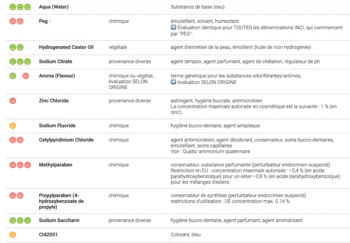
Aqua, Glycerin, PEG-60, hydrogenated castor oil, sodium citrate, aroma, zinc chloride, sodium fluoride, Cetylpyrdinium Chloride, methylparaben, propylaparaben, sodium saccharin, I 42051.

Parodontax Complete Protection : ingredients?


Ingredient’s list analyzed with the website’s INCI Search tool 

Ingredient analysis

Mouthwashes are all formulated on more or less the same basis: a large chunk of water, mixed with antiseptic agents or other anti-inflammatory ingredients. We can also list ingredients such as essential oils or plant extracts for fresh breath, good dental hygiene, balancing the bacteria present and avoiding all kinds of oral discomfort. As well as preservatives and other active ingredients, additives, flavourings, or any other ingredients necessary for stabilizing the formula etc.

In this product, for instance, a list of controversial substances have also slipped into the formula :

  • Cetylpyrdinium Chloride, an antimicrobial agent, quats (petrochemicals), substances that are not very biodegradable and are slightly irritating.
  • PEG-60, PEGs are ethoxylated substances. Obtained from extremely reactive and toxic gases, they are the result of a chemical process that imposes the strictest safety measures. PEGs are also likely to make the skin’s barrier more permeable to other substances and are not very biodegradable, so they are polluting.
  • Methylparaben, synthetic preservative (suspected endocrine disruptor)
  • Propylparaben, synthetic preservative (suspected endocrine disruptor)

Verdict

A formulation based on a significant quantity of controversial ingredients, which we could easily do without. To be more specific:  suspected endocrine disruptors, coupled with irritating and polluting ingredients. To be reviewed.

**************


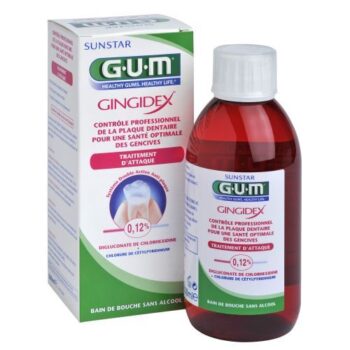
GUM Mouthwash GINGIDEX

Chlorhexidine 0,12 %

300ml, 2,49 €

gum gingidex mouthwash: what about the ingredients

Product benefits – as presented on the brand’s site

DESCRIPTION

“Around 70% of us will experience gum problems at some point in our lives. It’s important to spot the signs as early as possible, to prevent gum disease progressing to a more severe stage. The good news is that our experts have developed a specific solution. The GUM PAROEX® / GINGIDEX range has been designed to help your gums regain or maintain good health. It doesn’t just tackle existing plaque: it also prevents the formation of new plaque. It is ideal for plaque control before and after oral surgery, tooth extraction and implant placement.”

Let’s take a closer look at the ingredients of GUM GINGIDEX’s Chlorhexidine Mouthwash

Ingredients/ INCI:

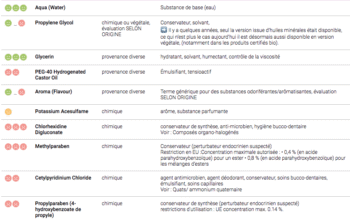
Aqua, Propylene Glycol, Glycerin, PEG-40 Hydrogenated Castor Oil, Aroma, Potassium Acesulfame, Chlorhexidine Digluconate, Methylparaben, Cetylpyridinium Chloride, Propylparaben.

GUM GINGIDEX’s Chlorhexidine Mouthwash : ingredients?


Ingredient’s list analyzed with the website’s INCI Search tool

Ingredient analysis 

Again, a  list of controversial substances have also slipped into the formula

  • Chlorhexidine Digluconate, antimicrobial agent, preservative, risk of allergic reactions*
  • PEG-40 Hydrogenated Castor Oil, PEGs are ethoxylated materials. Obtained from highly reactive and toxic gases, they are the result of a chemical process that imposes the strictest safety measures. PEGs are also likely to make the skin’s barrier more permeable to other substances, and are poorly biodegradable, hence polluting.
  • Methylparaben, synthetic preservative (suspected endocrine disruptor)
  • Propylaparaben, synthetic preservative (suspected endocrine disruptor)
  • Cetylpyridinium Chloride, antimicrobial agent, preservative, belongs to the quats category (petrochemicals), substances that are not very biodegradable and slightly irritating.

* On November 30, 2023, the ANSM (Agence nationale de sécurité et des produits de santé/ France) issued a press release warning consumers of the risk of allergic reactions on contact with Chlorhexidine, a substance listed in Annex V (authorized preservatives) of Cosmetics Regulation 1223/2009.

Conclusion 

The same can be said of this specific formulation that contains a significant number of controversial ingredients that could easily be dispensed with. Including suspected endocrine disruptors, coupled with irritating and polluting ingredients. To be reviewed.

**************


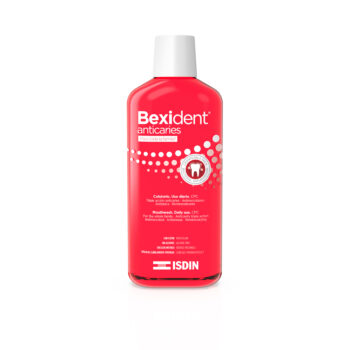
Bexident® Anti-Cavity Mouthwash with CPC

500ml, 11,57 €

Bexident®'s Anti-Cavity Mouthwash : ingredients?

Product benefits – as presented on a reseller site

DESCRIPTION

“For the whole family*. Triple anti-cavity and anti-plaque action. Recommended for daily oral hygiene for the whole family* to protect and care for teeth and gums. Provides triple anti-cavity and anti-plaque action.”

Let’s take a closer look at the ingredients of Bexident®’s Anti-Cavity Mouthwash with CPC

Ingredients/ INCI:

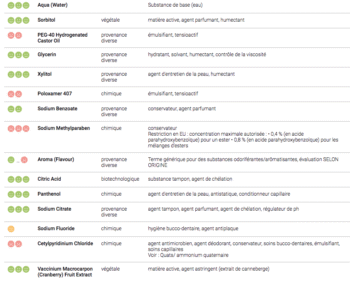
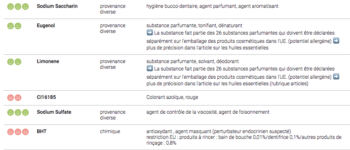
Aqua (Water), Sorbitol, PEG-40 Hydrogenated Castor Oil, Glycerin, Xylitol, Poloxamer 407, Sodium Benzoate, Sodium Methylparaben, Aroma (Flavor), Citric Acid, Panthenol, Sodium Citrate, Sodium Fluoride, Cetylpyridinium Chloride, Vaccinium Macrocarpon (Cranberry) Fruit Extract, Sodium Saccharin, Eugenol, Limonene, CI 16185, Sodium Sulfate, BHT.

Bexident®'s Anti-Cavity Mouthwash: ingredients

Bexident Anticavity Mouthwash : formulation?


Ingredient’s list analyzed with the website’s INCI Search tool

Ingredient analysis

And once more, a list of controversial substances have also slipped into the formula :

  • Cetylpyridinium Chloride, antimicrobial agent, preservative, quats (petrochemicals), not very biodegradable and slightly irritating substances.
  • PEG-40 Hydrogenated Castor Oil, PEGs are ethoxylated substances. Obtained from highly reactive and toxic gases, they are the result of a chemical process that imposes the strictest safety measures. PEGs are also likely to make the skin’s barrier more permeable to other substances, and are poorly biodegradable, hence polluting.
  • Sodium Methylparaben, synthetic preservative (suspected endocrine disruptor)
  • BHT, preservative (suspected endocrine disruptor)

Verdict

Same conclusion, again : a formulation with a considerable quantity of controversial ingredients, which we could easily do without. In particular, suspected endocrine disruptors, and other irritating and polluting ingredients. In short, also worth reviewing. Especially as this product is advertised as «for the whole family », absolutely not suitable for children, for example.

**************

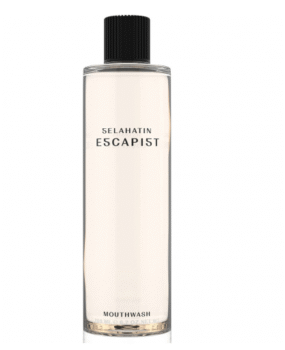
SELAHATIN

Mouthwash Escapist

200 ml ,26,22€

Selahatin’s mouthwash : formulation ?

Product benefits – as presented on a reseller site

DESCRIPTION

Cinnamon, Orange & Peppermint

« This innovative oral care product complements and optimizes the benefits of Selahatin toothpaste. As the mouthwash combines conventional skin care with innovative natural ingredients, it provides the entire oral area with a regenerative routine.An unconventional blend that solidifies the brand’s vision of integrating fantasy and reality. Selahatin’s leading aroma Escapist takes on a new form when translated into a mouthwash. Orange continues to bloom, becoming pulpier and fruitier, while lush cinnamon fluctuates between warm and cool atop icy and refreshing peppermint. »

Let’s take a closer look at the ingredients of Selahatin’s mouthwash

Ingredients/ INCI:

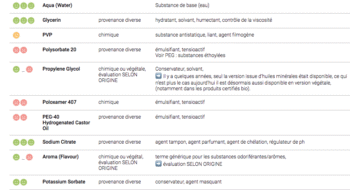
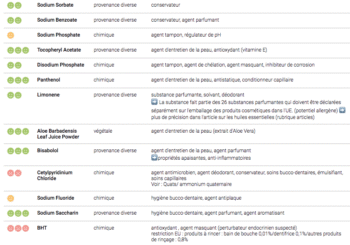
Aqua/[water], glycerin, pvp, polysorbate 20, propylene glycol, poloxamer 407, peg-40 hydrogenated castor oil, sodium citrate, aroma/[flavor], potassium sorbate, sodium benzoate, sodium phosphate, tocopheryl acetate, disodium phosphate, panthenol, limonene, aloe barbadensis leaf juice powder, bisabolol, cetylpyridinium chloride, sodium fluoride, sodium saccharin, bht

Selahatin’s mouthwash : ingredient list ?

Selahatin’s mouthwash : formulation ?

Ingredient’s list analyzed with the website’s INCI Search tool

Ingredient analysis

Last, but not least, a list of controversial substances have also slipped into this formula :

  • Cetylpyridinium Chloride, antimicrobial agent, preservative, quats (petrochemicals), not very biodegradable and slightly irritating substances.
  • PEG-40 Hydrogenated Castor Oil, PEGs are ethoxylated substances. Obtained from highly reactive and toxic gases, they are the result of a chemical process that imposes the strictest safety measures. PEGs are also likely to make the skin’s barrier more permeable to other substances, and are poorly biodegradable, hence polluting.
  • Polysorbate 20, emulsifier (see PEG)
  • Poloxamer 407, emulsifier
  • BHT, preservative (suspected endocrine disruptor)

Verdict

Same topic :  a formulation with a considerable quantity of controversial ingredients, which we could easily do without. In particular, suspected endocrine disruptors, and other irritating and polluting ingredients. In short, also worth reviewing.

**************

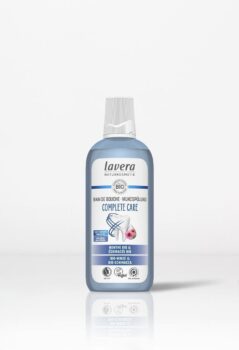
Lavera

Mouthwash Complete Care Fluoride-Free

400ml, 7,06 €*

Lavera Mouthwash, ingredients

Product benefits – as presented on the brand’s site

Description

Alcohol- & fluoride-free for daily tooth and gum care.

Experience the lavera sensation of naturally clean teeth and healthy gums: Our highly effective alcohol- and fluoride-free formula offers your teeth a 5-fold effect* for daily oral hygiene:

– Protects against tooth decay

– Reliably removes plaque, even in hard-to-reach areas

– Protects against tartar build-up

– Protects against gum disease

– leaves the mouth extra minty fresh.

Organic mint gives fresh breath due to its high menthol content. Organic echinacea reduces bacterial growth and is known for its beneficial effects on the gums.

Alcohol-free & fluoride-free
Biodegradable formula free from liquid or solid microplastics and from artificial fragrances, colours and preservatives (according to the EU Cosmetics Regulation)
Certified according to the strict and independent NATRUE quality standard for natural cosmetics products
Bottle is made from 100% recycled plastic
Tested by dentists”

Let’s take a closer look at the ingredients of Lavera’s Complete Care Mouthwash

Ingredients/ INCI:

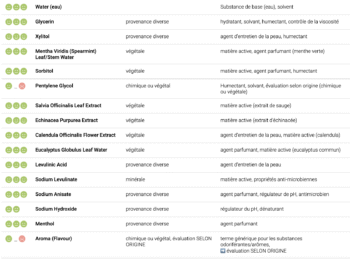
Water (Aqua), Glycerin, Xylitol, Mentha Viridis (Spearmint) Leaf/Stem Water, Sorbitol, Pentylene Glycol, Salvia Officinalis Leaf Extract*, Echinacea Purpurea Extract*, Calendula Officinalis Flower Extract*, Eucalyptus Globulus Leaf Water, Levulinic Acid, Sodium Levulinate, Sodium Anisate, Sodium Hydroxide, Menthol, Flavor (Aroma)**

Lavera’s Complete Care Mouthwash : formulation ?


Ingredient’s list analyzed with the website’s INCI Search tool

Ingredient analysis

In this formulation, any potentially controversial antimicrobial agents have been replaced by a blend of soothing plant extracts and essential oils with multiple soothing, anti-inflammatory or refreshing properties.

Verdict

A very well balanced formulation, with no problematic, controversial ingredients that are potentially toxic to humans, or harmful to animals or the environment.

**************

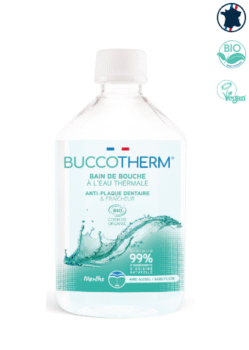
BUCCOTHERM

Mouthwash Mint

300ml, 6,60€

Mouthwash ingredients analysed Buccotherm

Product benefits – as presented on the brand’s site

« BUCCOTHERM® Mouthwash Alcohol-Free is a daily care for sensitive mouths. Thanks to its unique composition combining the Castéra-Verduzan Thermal Spring water and a plant concentrated, it fights against dental plaque and helps to cool the breath down. It will be a perfect additional care to your oral routine. Made with the Castéra-Verduzan Thermal water, an exceptional water with soothing and remineralizing properties, and formulated with 97% of natural ingredients, this soft and effective mouthwash respects the oral ecosystem. “

Let’s take a closer look at the ingredients of Buccotherm’s  Mouthwash Mint

Ingredients/ INCI:

Aqua (Castéra-Verduzan thermal water*), Glycerin, Xylitol, Polysorbate 20, Camellia sinensis leaf water, Vaccinium macrocarpon fruit water, Aroma, Sodium benzoate, Sodium monofluorophosphate, Citric acid, Potassium sorbate, CI 42090.


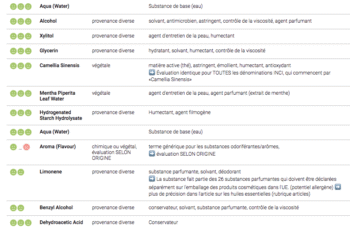
Buccotherm’s  Mouthwash Mint ; ingredients ?

Ingredient analysis

In this formulation, any controversial antimicrobial agents have been replaced by soothing plant extracts and essential oils with multiple soothing, anti-inflammatory or refreshing properties, enriched with remineralizing thermal spring water.

Verdict

Again, this is another a balanced formulation, with no controversial ingredients that are potentially toxic to humans, or harmful to animals or the environment.

Oral Care and Mouthwash Tips

How to maintain good oral hygiene practises

If you’re looking for a mouthwash to maintain good oral hygiene, it’s important to choose products that avoid harmful ingredients that are controversial for humans and the environment. But keep in mind that all dental care products should always be complemented by “good oral hygiene practices”, which consist of regular brushing of the teeth, using a suitable toothbrush and toothpaste. However, brushing alone is not enough to remove all the food and plaque residues that can accumulate in the oral cavity. That’s where mouthwash comes in.

Other practices, particularly those derived from Ayurveda, such as oil pulling with sesame oil or coconut oil are also very interesting and inexpensive options to incorporate into your daily oral routine.

Additional recommendations

  • A good mouthwash helps to eliminate harmful bacteria and prevent oral problems such as cavities, gingivitis and tartar formation. There are different types of mouthwash available on the market, each with its own benefits.
  • And some mouthwashes are formulated with more ‘natural antibacterial agents’ such as plant-based alcohol (denatured with essential oils, instead of phtalates), propolis or essential oils such as peppermint, which can help to reduce plaque, contribute to fresh breath and prevent gum problems. These ingredients have antibacterial properties that can help reduce the presence of harmful bacteria in the mouth, which can contribute to better oral health.
  • When choosing a mouthwash, it’s also important to note any harmful ingredients present in the product. Some mouthwashes may contain irritants that can cause burning sensations, dry mouth or gum irritation.  It’s best to avoid mouthwashes containing harsh chemicals, and instead choose those made with natural ingredients. In short, to avoid harmful ingredients, choose a mouthwash specially formulated for oral hygiene.
  • Finally, it is essential to visit your dentist regularly to maintain good oral hygiene. Regular scaling and dental check-ups can also help prevent oral problems and maintain healthy teeth.
  • But remember also that few dentists are aware of the controversial ingredients in dental hygiene products (toothpaste, mouthwash, dental floss).

Conclusion

To sum up, choosing a healthy, environmentally-friendly mouthwash means checking the ingredients OR giving preference to organic labels and certifications. Given that the various specifications and labels for natural and organic cosmetics have already ruled out substances that are, toxic, polluting or  controversial on any other level. Taking care of your mouth by choosing sustainable products, without toxic ingredients, contributes to your well-being and that of the planet.

Mouthwash can contain controversial, toxic ingredients


 Two shampoos for curly and frizzy hair confronting each other in a cosmetic « match ».

« Dark N Lovely » against « Noire O Naturel »

In this chapter we will regularly be presenting two comparable products from two different brands, very often one from the « conventional » sector and the other from a certified, organic brand. The products, shampoos curly & frizzy hair, will be facing each other on the same ground : the ingredients list comparaison. The commentator will remain at your side during the entire game and will also be explaining the basic rules, when they’re not completely clear or understandable.

Let the game begin : may the best team win ! For this month’s match, we have selected two hair care products : two different shampoos – curly and frizzy hair.

In the following product comparaison, both brands are aiming at the same goal :  specific products for washing hair your properly and hair care in general for curly and fuzzy hair. But on one side, the product uses mainly chemical ingredients, -with some controversial ingredients that slipped in between the lines-, whereas the other side plays the game of «natural ingredients only ».

Match opening, team presentation :

Dark N Lovely «Au Naturale»

Moisture – Replenishing Shampoo

with Mango Oil & Bamboo Milk

250 ml, price : 9,49 €

« Recipe for rich, natural hair.»


This brand belongs to the l’Oréal group and the product obviously targets an international consumer market (the product in itself is both in french and english).

Here’s how the brand itself presents the product :

«Our Moisture Replenishing Shampoo cleanses and provides a rich, quick lather that brings moisture for hair and scalp » Another claim, meant to be reassuring  :

« No mineral Oil, No parabens, NO Petrolum »

Well, well, well…

Let’s take the time to check the entire ingredient list and to analyse this INCI list in detail :

Ingredients / INCI : Aqua, Cocamidopropyl Betaine, Sodium Laureth Sulfate, Cocamide MEA, Sodium Chloride, Parfum (Fragrance), Phenoxyethanol, Polyquaternium-7, Polysorbate 20, Potassium Sorbate, Glycol Stearate, Mangifera Indica Seed Oil, Caprylic/Capric Triglyceride, Polyquaternium-10, Citric Acid, Sodium PCA, Disodium EDTA, Sodium Benzoate, Benzyl Salicylate, Linalool, Benzyl Alcohol, Bambusa Vulgaris, CI19140, CI47000, CI17200, CI42090


As always, it’s the 5-8 (approx.) first ingredients in a cosmetic product, that define the product’s overall « profile ».

In general, products like shampoos (or shower gels, for instance, too) are made of around 70% water, followed by surfactants (approx. 20%) and other remaining secondary ingredients. When it comes to shampoos, (shower gels, etc) the most essential part remains the choice of appropriate surfactants.  These surfactants can be either very soft, -very well tolerated by the skin-, or more or less irritating, some can also be problematic for the environnement. In this specific product, there is a mixture of an irritating surfactant, Sodium Laureth Sulfate, associated with a softer surfactant, Cocamidopropyl Betaine. But the rest of the formulation can also be considered as problematic, as it includes some controversial synthetic preservatives, other ingredients that are problematic for the environment (polluting substances), and even some controversial azo dyes.

Here’s the detail of what could be considered as problematic in the product’s formulation,

  • Phenoxyethanol; a controversial synthetic preservative, concern of organ system toxicity (liver) and classified as irritant.
  • Polyquaternium-7 and Polyquaternium-10 which are quats, substances that are not very well biodegradable and considered slightly irritating.
  • The Polysorbate belongs to the PEG category, which are ethoxylated ingredients. Ethoxylated ingredients on their own are of low concern, however, the process of ethoxylation is a a complex chemical procedure requiring extreme safety mesures (toxic and reactive gas). PEGs are also suspected to make the skin more permeable, enabling therefore the accumulation of more problematic ingredients. PEGs are also not very well biodegradable and therefore polluting.
  • Other ingredients that are problematic for the environnement, as Disodium EDTA, for ex.
  • The CI19140 and CI17200 colorants ; they belong to the group of azo dyes, coal-tar chemicals that are sometimes allergenic and linked to other toxicological concerns.
  • The « Fragrance » in the INCI listing can also sometimes be considered as problematic :as this product is not a certified organic product, it probably contains some synthetic fragrance. Synthetic fragrances very often also contain phtalates, classified as endocrine disruptors.

Of course there is also the Mango Oil (11th position) and the Bamboo Milk (21th position), but they can be considered as mere, -nearly insignificant-, « natural hints »  as they don’t play any major role in the product’s formulation. They are basically just there to give the product a « greener » outlook, but not as active, relevant cosmetic ingredients. Another surprising element ; the bottle in itself really looks like a beverage bottle, an orange juice bottle to be more precise.

This product should therefore not be left unattended in the kitchen, if you have small children around, for instance.

This is therefore a perfect «greenwashing example » ; using one or two main natural ingredients, like the ‘Mango Oil and Bamboo Milk’ as major sales argument. But these natural ingredient play in fact no significant, major role in this product.The global formulation is mainly based on chemical ingredients, some of which are highly controversial and problematic for the environnement..

Sentence: « No mineral Oil, No parabens, NO Petrolum », so far so good !… BUT «with» Phenoxyethanol, EDTA, azo dyes and a whole range of other controversial or problematic ingredients. A product that could benefit from improvements, on every possible level…

*********************

Noire Ô Naturel

Crème de Shampooing

Aloe Vera, Mongogo, Sesame

Curly to frizzy hair

200 ml , price : 16,50 €

Here’s how the brand itself presents the product :

« Inspired from african beauty rituals, our cream of shampoo is made of plant butters ( shea, mango) and organic aloe vers juice known for their hair care benefits. Its very soft and SLS free formulation gives it its creamy texture without foam for a softly shampoo care. An enriches formula with organic oils (sesame, coconut) and mongongo soothes and nourishes your hair from roots to tips. »

Let’s take the time to check the entire ingredient list and to analyse this INCI list in detail :

Ingredients / INCI : Aloe Barbadensis Leaf Juice*,Aqua (Water), Helianthus Annuus (Sunflower) Seed Oil, Beeswax *, Cetearyl Alcohol, Lauryl Glucoside, Butyrospermum Parkii (Shea) Butter*, Inulin, Arachidyl Alcohol, Yogurt Powder, Betaine, Decyl Glucoside, Glycerin, Mangifera Indica (Mango) Seed Butter, Coco-Glucoside, Schinziophyton Rautanenii Kernel Oil, Sesamum Indicum (Sesame) Seed Oil*, Cocos Nucifera (Coconut) Oil*, Cananga Odorata Flower Oil, Aniba Rosaeodora (Rosewood) Wood Oil, Rosmarinus Officinalis (Rosemary) Leaf Oil,  Behenyl Alcohol, Tocopherol, Coco-Glucoside, Glyceryl Oleate, Arachidyl Glucoside, Dehydroacetic Acid, Sodium Hydroxide, Citric Acid, Benzyl Alcohol, Linalool.

* ingrédients issus de l’agriculture biologique 98% of the ingredients (total) are of natural origin 53% of the ingredients (total) are organic certified Without SLS or ALS, paraben, silicon, GMO,  artificial  colorants or perfumes.

« Cosmétique Ecologique » certified by ECOCERT Greenlife according to ECOCERT guidelines, more details to be found here 


As always, it’s the 5-8 (approx.) first ingredients in a cosmetic product, that define the product’s overall « profile ».

In general, products like shampoos are made of around 70% water, followed by surfactants (approx. 20%) and other secondary ingredients, then.When it comes to shampoos, (or shower gels, for instance, too), the most essential part remains the choice of the proper surfactants. These surfactants can be either very soft, very well tolerated by the skin, or more or less irritating and as well problematic for the environnement.This formulation is based on a mixture of sugar-based surfactants (acylgutamates) Lauryl Glucoside and Decyl Glucoside, and  Coco-Glucoside (a bit further down the line).

These are the softest surfactants available, the ones that are also best tolerated by the skin. But these substances are also the most expensive ones, these surfactants are therefore very rarely used as primary, (main) surfactants in one product, like for example here. The product is presented as a « crème de shampooing », -a creamy shampoo-, («a creamy, non-foamy texture»), which explains the high number of authentic vegetal oils and waxes, right from the ingredient’s list start.And among the very first ingredients, there’s a vegetal sunflower oil, some organic beeswax, organic sheabutter and other natural ingredients that are particularly hydrating and offer specific skin and hair care like inulin (sugar), yogurt and vegetal glycerin.

Besides the fact that this product does not include any harmful, problematic or controversial ingredient, there is a whole list of entirely natural ingredients and authentic vegetal oils, with their precious intrinsic vegetal substances, like for example :

  • Organic Aloe Vera gel : soothing, hydrating, nourishing and regenerating
  • Mango butter :  emulsifying, skin softening and nourishing properties
  • Mongogo Oil : restructuring, hydrating and regenerating
  • Organic Coco Oil : protecting, skin softening and emulsifying properties, shining hair
  • Organic Sesame Oil : nourishing, softening,  contains precious essential fatty acids

And of course this richness and large quantity of authentic natural ingredients, -mainly organic-, also has an impact on the price, this product is twice as expensive as the previous one, but it also contains twice as many natural high quality ingredients…

Sentence : This « crème de shampooing » presents itself with an exemplary formulation ; without any controversial and harmful ingredient whatsoever, this product derives its strength essentially from « mother nature » and precious natural ingredients, carefully selected for their intrinsic benefits. A prefect hair care product and shampoo for curly to frizzy hair.

Visit the website and the free INCI (cosmetic ingredients) search engine to evaluate your own cosmetic products.


Other products tests:

*******

Note; this article is from 2018

Product formulations can change, even an entire product line can change from year to year. And the brand can choose to remove or add certain ingredients or even entirely remove products, for example. No consumer site or magazine constantly updates these changes, it would be a gigantic job, to do continuously. And the articles are not removed at the simple request of the brands who would explain that the formulas have changed since the test was published.

The product test reflects “the exact image of the moment”,  and the tests are clearly dated.