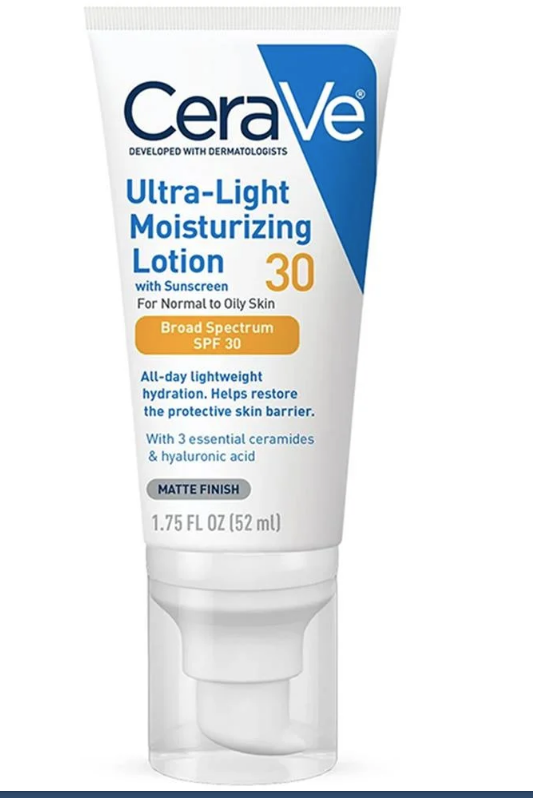
CeraVe , a brand recommended by dermatologists, yes but…
When it comes to achieving healthy, balanced skin, many people trust the guidance of dermatologists. And often, the products they recommend – like the CeraVe Ultra-Light Moisturizing Lotion – are seen as safe, effective, and suitable for sensitive skin.
But here’s the real question: does a “dermatologist-recommended” label automatically mean the product is the best choice, especially when it might include controversial or environmentally harmful ingredients? Let’s have a closer look at the CeraVe Ultra-Light Moisturizing Lotion.
Why Is CeraVe Ultra-Light Moisturizing Lotion So Popular?
Developed with dermatologists, CeraVe Ultra-Light Moisturizing Lotion is marketed as a lightweight, non-comedogenic facial moisturizer that hydrates while providing SPF protection. Its formula includes key ingredients like ceramides and hyaluronic acid—both known to support the skin’s natural barrier and moisture levels.
This product is often recommended for daily use, especially for those with combination or oily skin types, thanks to its matte finish and non-greasy feel.
Heres how the brand presents the product on its website:
« CeraVe Ultra-Light Moisturizing Lotion for normal to oily skin includes broad spectrum SPF 30 sunscreen to help protect skin from sun damage, which can lead to premature signs of aging and skin cancer (when used as directed with other sun protection measures) plus hyaluronic acid and three essential ceramides to hydrate and help restore the skin’s barrier all while leaving a matte finish. »
A Closer Look at the Ingredient List
Let’s examine the product’s ingredient list
Active Ingredients:
– Avobenzone 3%
– Homosalate 10%
– Octisalate 5%
– Octocrylene 2.7%
Inactive Ingredients (partial list)
Water, Glycerin, C12-15 Alkyl Benzoate, Methyl Methacrylate Crosspolymer, Ceramide NP, Ceramide AP, Ceramide EOP, Sodium Hyaluronate, Cholesterol, Carbomer, Phenoxyethanol, Disodium EDTA, Hydroxyacetophenone, Sodium Polyacrylate…
Ingredient analysis
At first glance, you’ll notice beneficial ingredients like glycerin, ceramides, and sodium hyaluronate—all excellent for supporting hydration and barrier function. However, a closer inspection reveals several problematic ingredients that are widely debated in skincare and environmental circles.
Controversial Ingredients in CeraVe Ultra-Light Moisturizing Lotion
While CeraVe Ultra-Light Moisturizing Lotion is praised for its lightweight formula, it includes a number of ingredients that have raised concerns:
- Homosalate – a UV filter under scrutiny as a potential endocrine disruptor.
- Octisalate (Ethylhexyl Salicylate) – also flagged for its hormonal activity.
- Avobenzone – a common chemical sunscreen ingredient, suspected of hormone disruption.
- Octocrylene – linked to environmental toxicity and potential bioaccumulation.
- Carbomer – not dangerous to skin but known to be non-biodegradable and polluting.
- Methyl Methacrylate Crosspolymer – a microplastic-like film-former harmful to marine ecosystems.
- Disodium EDTA – environmentally persistent and not biodegradable.
- Phenoxyethanol – a widely used preservative, but restricted in concentration in the EU due to irritation risks and other health concerns.
- Sodium Polyacrylate – synthetic, with known environmental concerns.
The Verdict: Trusted by Dermatologists, But Far From Perfect
CeraVe Ultra-Light Moisturizing Lotion may be widely recommended and even well-tolerated by many—but that doesn’t make it flawless.
Its formulation includes both beneficial skincare ingredients and a range of controversial chemical agents—some with potential hormonal impacts, and others with well-documented environmental drawbacks. While it offers hydration and sun protection in a lightweight format, it also contains questionable compounds that may not align with organic or natural beauty values or the needs of truly sensitive skin.
—
What Should People with Sensitive or Reactive Skin Look For Instead?
Sensitive and reactive skin types require extra care when choosing skincare products. Even ingredients that are technically safe or approved may cause irritation, redness, or allergic reactions on delicate skin.
Although CeraVe Ultra-Light Moisturizing Lotion contains soothing ingredients, the presence of controversial chemical sunscreens and synthetic polymers makes it a less-than-ideal choice for people with high sensitivity or a preference for eco-friendly skincare.
It’s also important to remember:
> Every skin is unique. What works for one person—even if dermatologist-recommended—may not suit another, especially when you factor in things like climate, hormones, stress, or overall health.
—
Cleaner Alternatives to CeraVe Ultra-Light Moisturizing Lotion
If you’re looking to avoid endocrine disruptors, synthetic preservatives, and microplastics consider switching to certified natural or organic skincare brands. These products are basically formulated with gentle, non-irritating ingredients and do not allow problematic UV filters, harsh preservatives or other highly problematic and controversial ingredients. For example, brands like BIOTURM, MADARA or Pai Skincare offer moisturizers specifically designed for sensitive or allergy-prone skin, using soothing botanical ingredients and innovative formulations. They may not always offer SPF, but layering them with a natural mineral sunscreen is a safer, customizable approach.
—
Final Thoughts
CeraVe Ultra-Light Moisturizing Lotion may be convenient, widely available, and approved by professionals—but it’s important to look beyond the label.
Especially if you have sensitive skin, environmental concerns, or are committed to avoiding harmful ingredients in beauty products, the presence of questionable ingredients in this popular product might give you pause.In today’s world, where both personal health and environmental sustainability matter more than ever, taking the time to research your skincare products—and choosing formulas aligned with your values and needs—is not just a luxury. It’s essential.
—
How to Make Safer Beauty Choices
If you’re looking to avoid controversial ingredients in your skincare or makeup routine, start by mastering a few essentials:
- Learn how to analyse cosmetic ingredient lists and identify potential irritants or endocrine disruptors.
- Understand the meaning behind cosmetic certifications and safety labels.
- Prioritise natural or certified organic formulas that exclude silicones, PEGs, synthetic fragrances, and chemical UV filters.
✨ To guide you through this process, we’ve developed a complete Online Workshop designed to help you choose your products with clarity and confidence. Inside, you’ll learn how to:
- Decode ingredient terminology like a pro.
- Go beyond basic “toxic” lists and understand why certain substances are problematic.
- Recognise reliable certifications and avoid misleading greenwashing.