

South Korea has established itself as an undisputed global leader in the cosmetics industry. Behind the now-ubiquitous term K-Beauty lies a model that fascinates as much as it raises questions. Popularized by social media, influencers, and the Korean cultural wave, Korean cosmetics promise flawless, radiant, and healthy skin. But beyond the hype, what do cosmetic ingredients, formulas, and product transparency really reveal?
Table of Contents
ToggleA Highly Desirable… and Heavily Marketed Beauty Routine
Innovative, affordable, playful, colorful, and youthful, K-Beauty has built an extremely attractive image. The Korean skincare routine is presented as a true philosophy of skin care, based on gentleness, prevention, and effectiveness. It relies on a holistic approach aimed at preserving the skin barrier and preventing premature aging.
This routine is characterized by multiple steps, adaptable to individual skin needs, far from the rigid myth of the mandatory 10-step routine. Yet, this number has become a powerful marketing tool—sometimes intimidating, but above all highly effective.
Innovation and Star Ingredients: The Core of K-Beauty Messaging
The strength of Korean cosmetics lies largely in constant innovation. Brands invest heavily in research and development, creating so-called advanced formulations often highlighted for their effectiveness and skin tolerance.
Among the emblematic ingredients are:
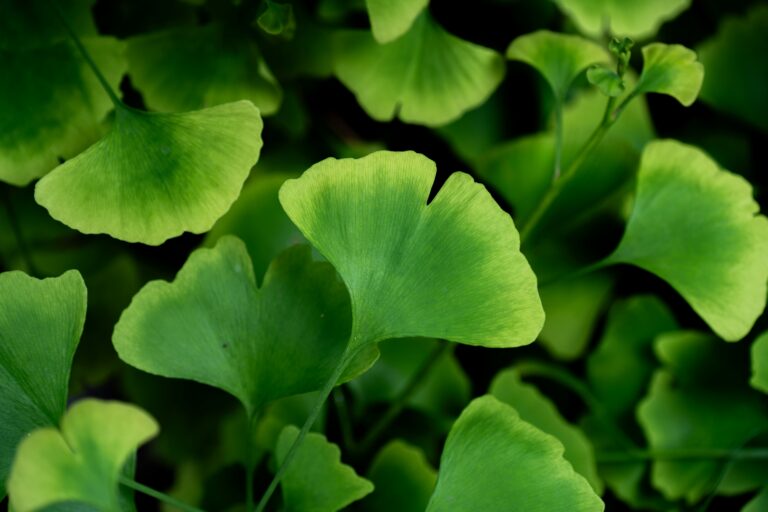
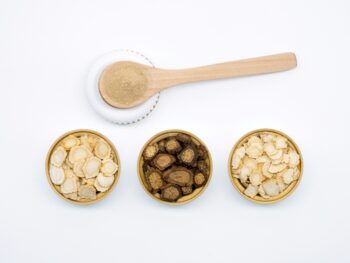
- ginseng, known for toning and anti-aging properties
- green tea, antioxidant and soothing
- rice water, soothing and balancing
- honey, known for repairing properties
- centella asiatica (Cica), soothing and regenerating
Another strong signature is fermentation, inspired by Korean food traditions. Galactomyces and saccharomyces are used to improve hydration, radiance, and skin tolerance. These are combined with well-known cosmetic ingredients such as hyaluronic acid, peptides, niacinamide, retinol, and fruit acids.
However, these widely promoted actives require careful formula decoding to understand their actual role within compositions.
Routine Breakdown: Between Effectiveness and Overconsumption
Korean routines rely on key steps often presented as essential:
- double cleansing
- gentle exfoliation
- layered hydration
- targeted serums
- moisturizers
- sheet masks
This accumulation of products enhances the desirability of the model but also raises the issue of cosmetic overconsumption, a topic rarely addressed in marketing narratives.
The 10-Step Myth and the Reality of Formulas
Contrary to popular belief, the Korean routine does not necessarily require 10 steps. It is designed to be flexible and adaptable. However, K-Beauty marketing deliberately maintains confusion by linking performance to product multiplication.
The exotic appeal of ingredients—snail mucin, bee venom, various ferments—is widely exploited and often presented as miraculous, without always being supported by clear ingredients analysis accessible to consumers.
Regulation: Transparency with Limits
A critical point often absent from promotional discourse is regulatory differences. Some Korean products contain substances that are banned in Europe but allowed or regulated in South Korea.
These include:
- certain parabens banned in the European Union
- hydroquinone, banned in Europe since 2022, still used in some Korean brightening products
This makes rigorous label decoding essential for European consumers.
Natural Claims and Greenwashing: A Blurred Line
K-Beauty strongly emphasizes the natural aspect of its formulations. However, this communication often borders on greenwashing. While naturally derived ingredients are present, their proportion in formulas is rarely dominant.
Moreover, these ingredients—ginseng, green tea, centella asiatica, bakuchiol, rice water—are already well known in natural and organic cosmetics, despite marketing narratives suggesting otherwise.
A Massive Market That Calls for Vigilance
With over $10 billion in export revenue and projections reaching $16 billion by 2029, K-Beauty is flooding the global market. France is currently the leading European consumer of Korean cosmetics.
In the face of this surge, one thing is clear: analyzing ingredients, decoding formulas, and demanding true product transparency is essential.
Beyond Marketing: Time for Ingredient Decoding
Behind promises of innovation and effectiveness, K-Beauty requires a critical perspective. Examining INCI lists, understanding the reality of highlighted ingredients, and questioning regulatory differences are essential steps to regain control over cosmetic choices.
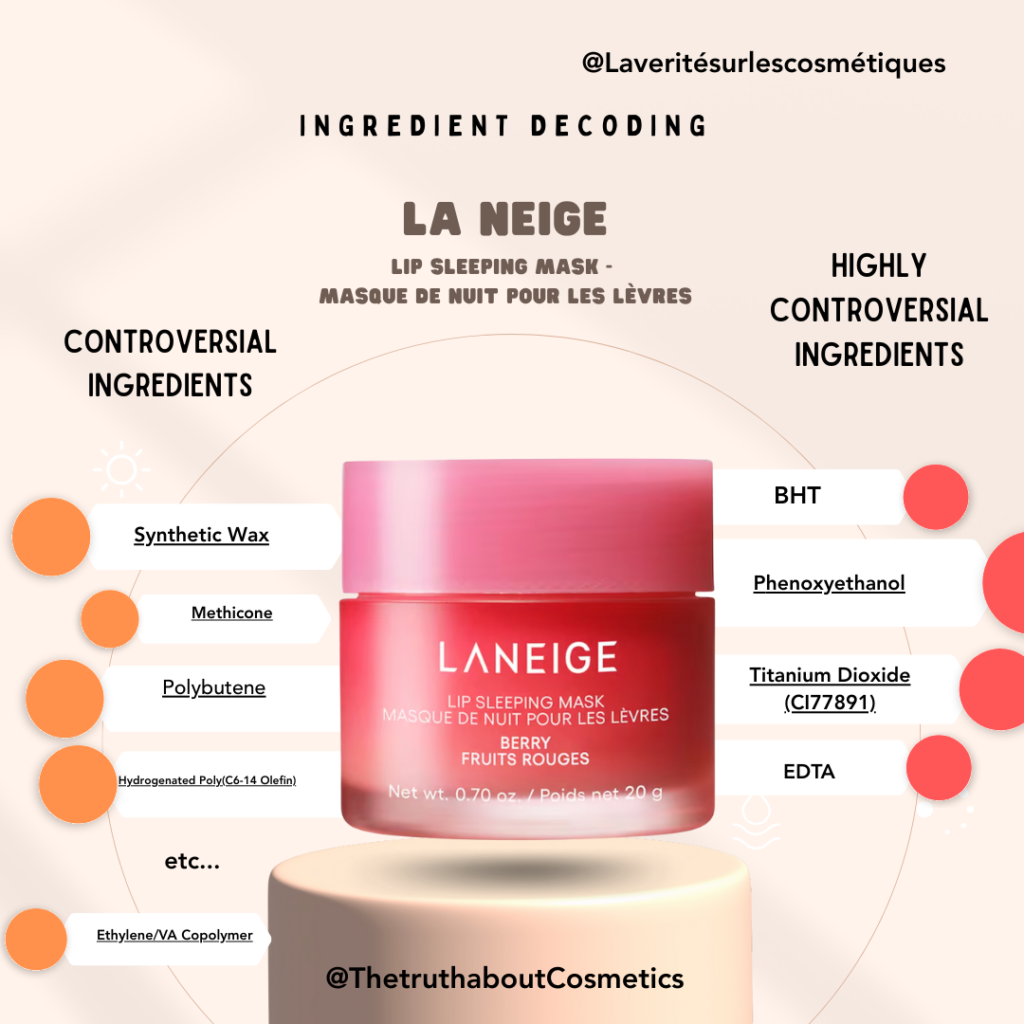
LA NEIGE Lip Sleeping Mask-
This product has in its formula a couple of highly controversial, potentially toxic (including endocrine disruptors) and also polluting ingredients, like :
- BHT
- PHENOXYETHANOL
- DIOXYDE DE TITANE (inadapté dans un produit pour les lèvres, car partiellement ingéré)
- SYNTHETIX WAX
- POLYBUTENE
- EDTA
etc
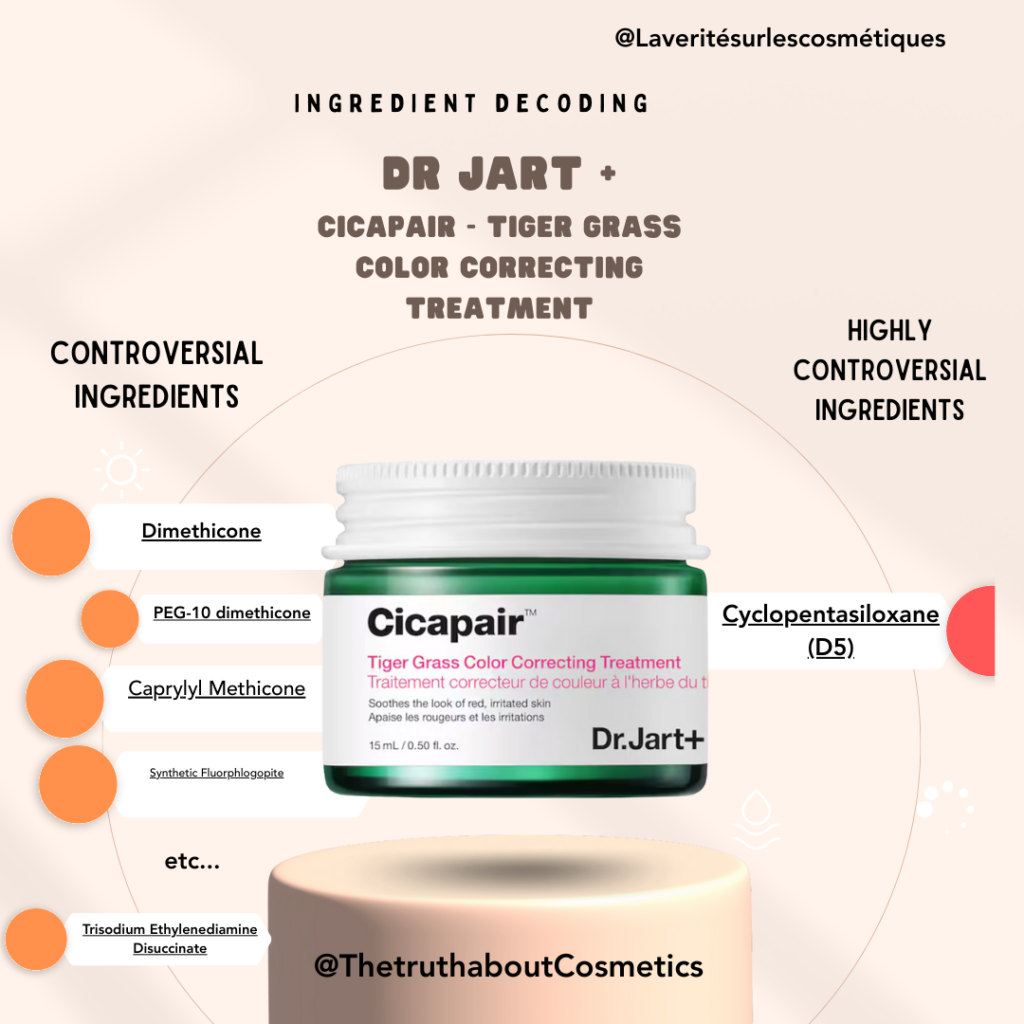
DR JART + Cicapair – Tiger Grass Color Correcting Treatment
Same here : this product has in its formula a couple of highly controversial, potentially toxic and also polluting ingredients, like :
- CYCLOPENTASILOXANE (D5)
- DIMETHICONE
- PHENYL TRIMETHICONE
- LAURYL PEG-8 DIMETHICONE
- DIMETHICONE/VINYL DIMETHICONE CROSSPOLYMER,
- PEG-10 DIMETHICONE,
- TRISODIUM ETHYLENEDIAMINE DISUCCINATE,
etc
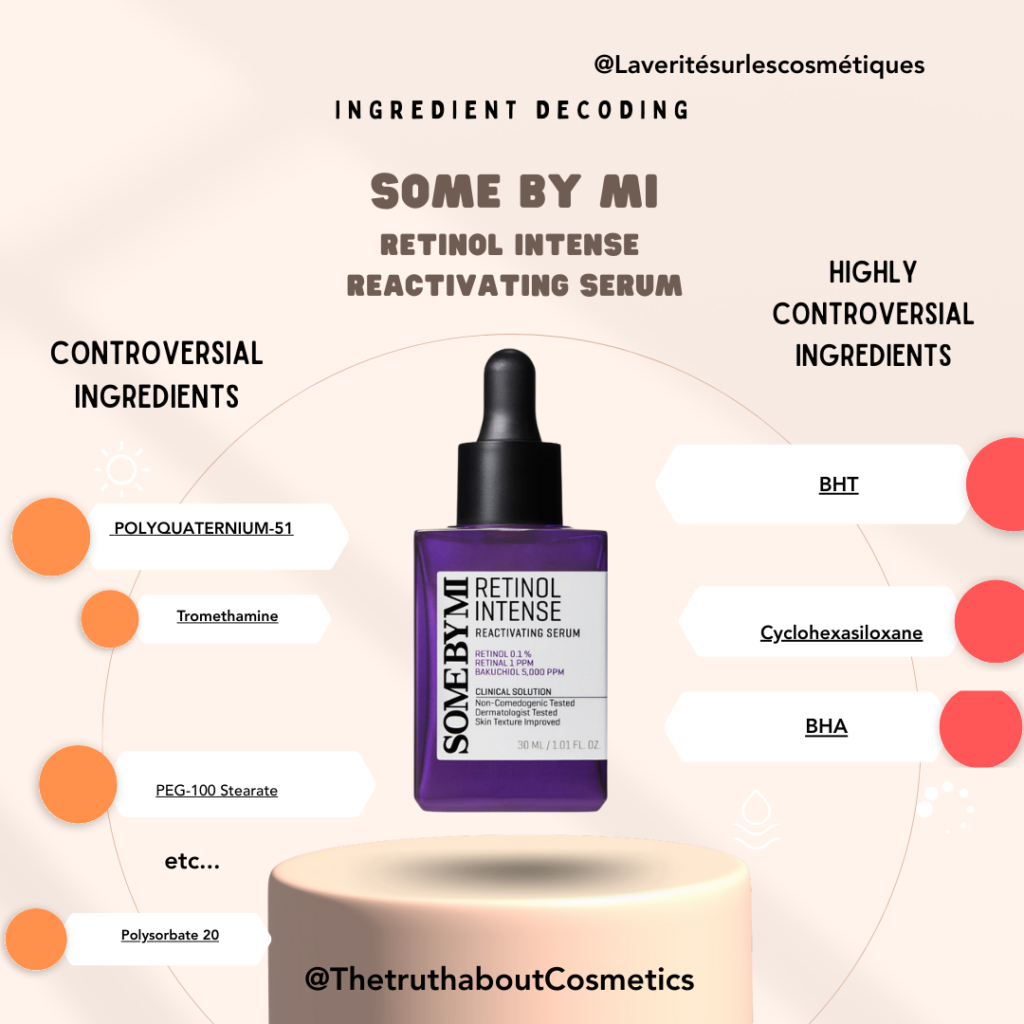
Some By Mi Retinol Intense Reactivating Serum
Again, same story here : this product has in its formula a couple of highly controversial, potentially toxic and also polluting ingredients, like :
- BHT
- BHA
- CYCLOHEXASILOXANE
- POLYQUATERNIUM-51,
- TROMETHAMINE
- PEG-100 STEARATE
- POLYSORBATE 20
- GLYCERYL POLYMETHACRYLATE
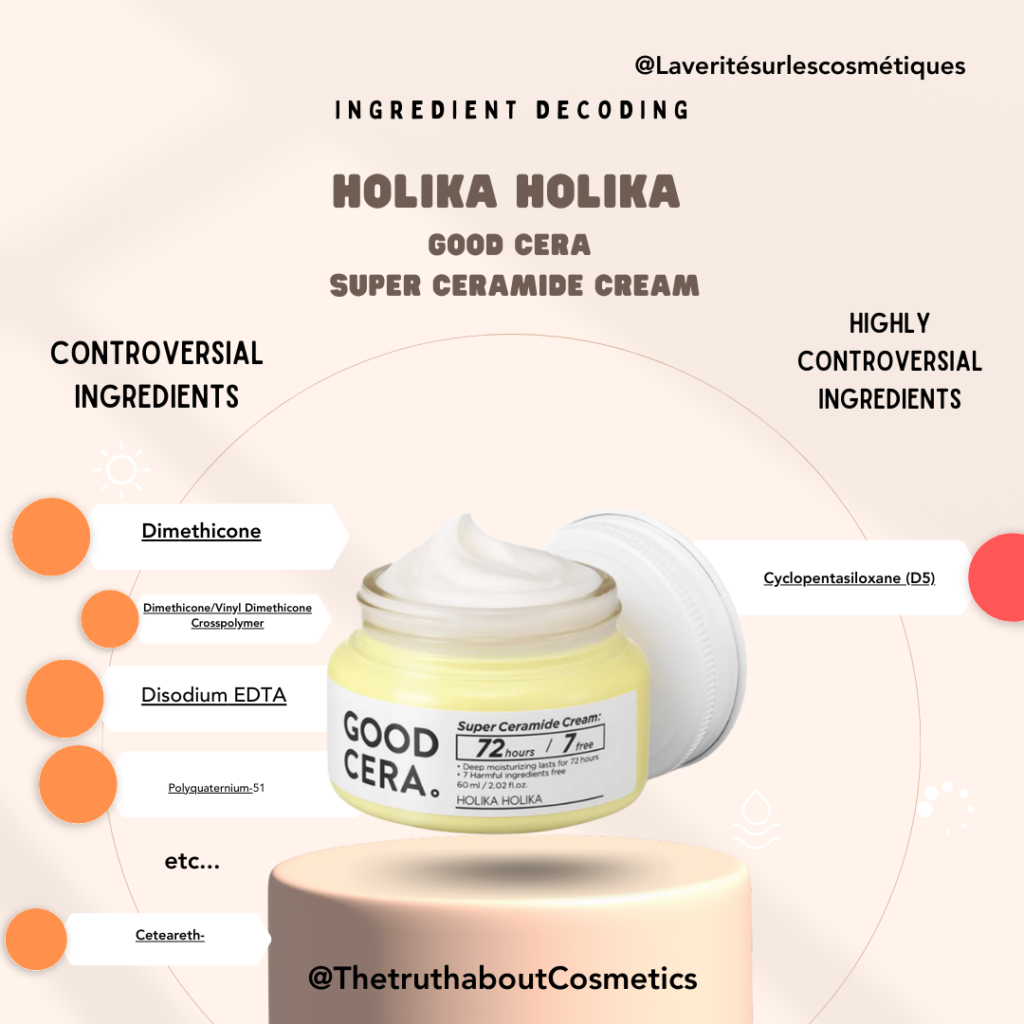
HOLIKA HOLIKA Good Cera Super Ceramide Cream
Another exemple ; this cream contains a couple of highly controversial, potentially toxic and also polluting ingredients, like :
- CYCLOHEXASILOXANE
- DIMETHICONE
- Dimethicone/Vinyl Dimethicone Crosspolymer,
- EDTA
- Polyquaternium-51
What about the alternatives, then?
Luckily there are also nowadays K- beauty products with very clean formulas, without any of the highly controversial ingredients listed in the products above.
Let’s dive into a selection of K-Beauty product’s that highlight interesting classical and innovative botanical ingredients.
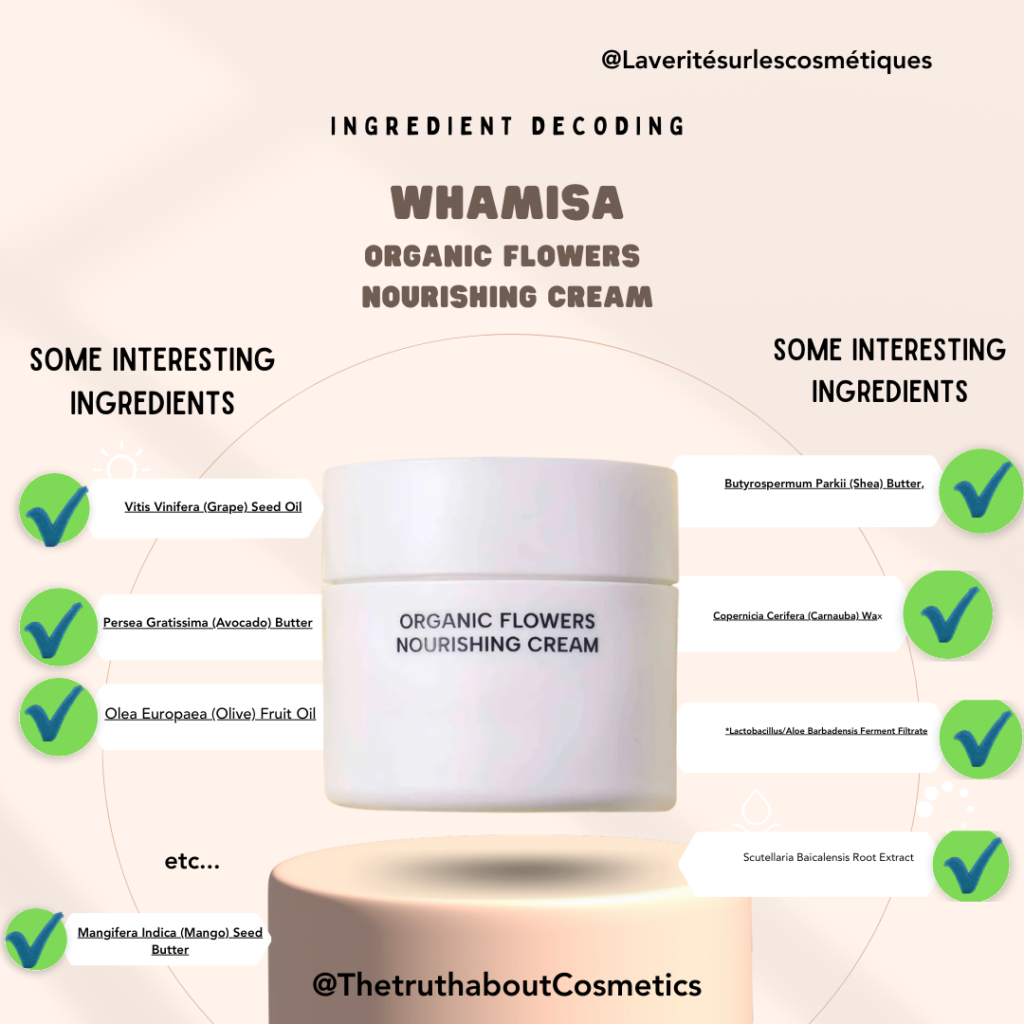
WHAMISA Organic Flowers Nourishing Cream
This natural & organic certified moisturizer doesn’t contain any controversial, potentially toxic or polluting ingredient.
The formula is based on carefully selected botanical, mainly organic ingredients and provides best quality skincare pour dry, mature and « normal » skin types.
- Aloe barbadensis leaf extract*
- Theobroma Cacao (Cocoa) Seed Butter
- Persea Gratissima (Avocado) Butter,
- Vitis Vinifera (Grape) Seed Oil,
- Lactobacillus/Aloe Barbadensis Ferment Filtrate,
- Euphorbia Cerifera (Candelilla) Wax,
- Scutellaria Baicalensis Root Extract
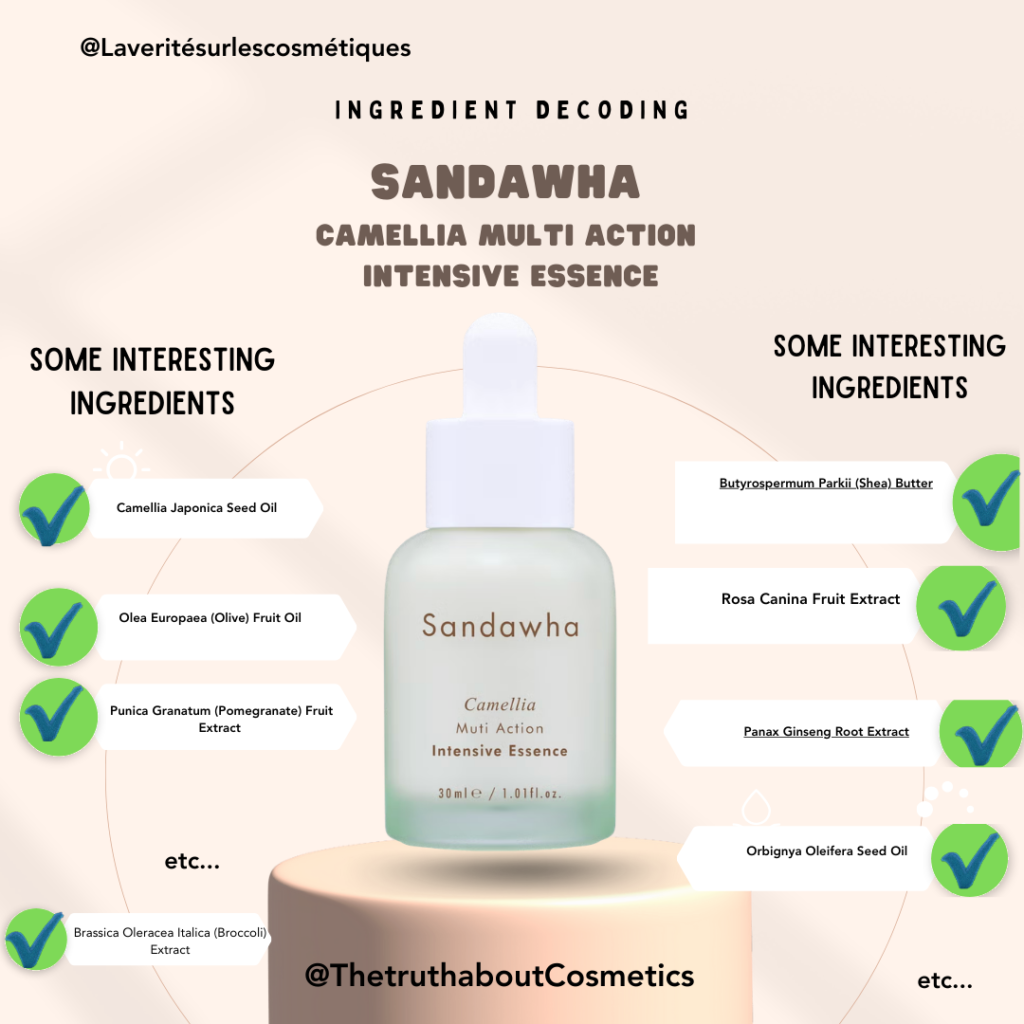
SANDAWHA Camellia Multi Action Intensive Essence
This natural & organic certified Serum doesn’t contain any controversial, potentially toxic or polluting ingredient.
The formula is based on carefully selected botanical, mainly organic ingredients and provides best quality skincare for mature skintypes, including, for example :
- Centella Asiatica Extract
- Camellia Japonica Flower Extract,
- Camellia Japonica Seed Oil,
- Magnolia Kobus Bark Extract,
- Butyrospermum Parkii (Shea) Butter,
- Rosa Canina Fruit Extract,
- Panax Ginseng Root Extract,
- Punica Granatum (Pomegranate) Fruit Extract,
- Hizikia Fusiforme Extract
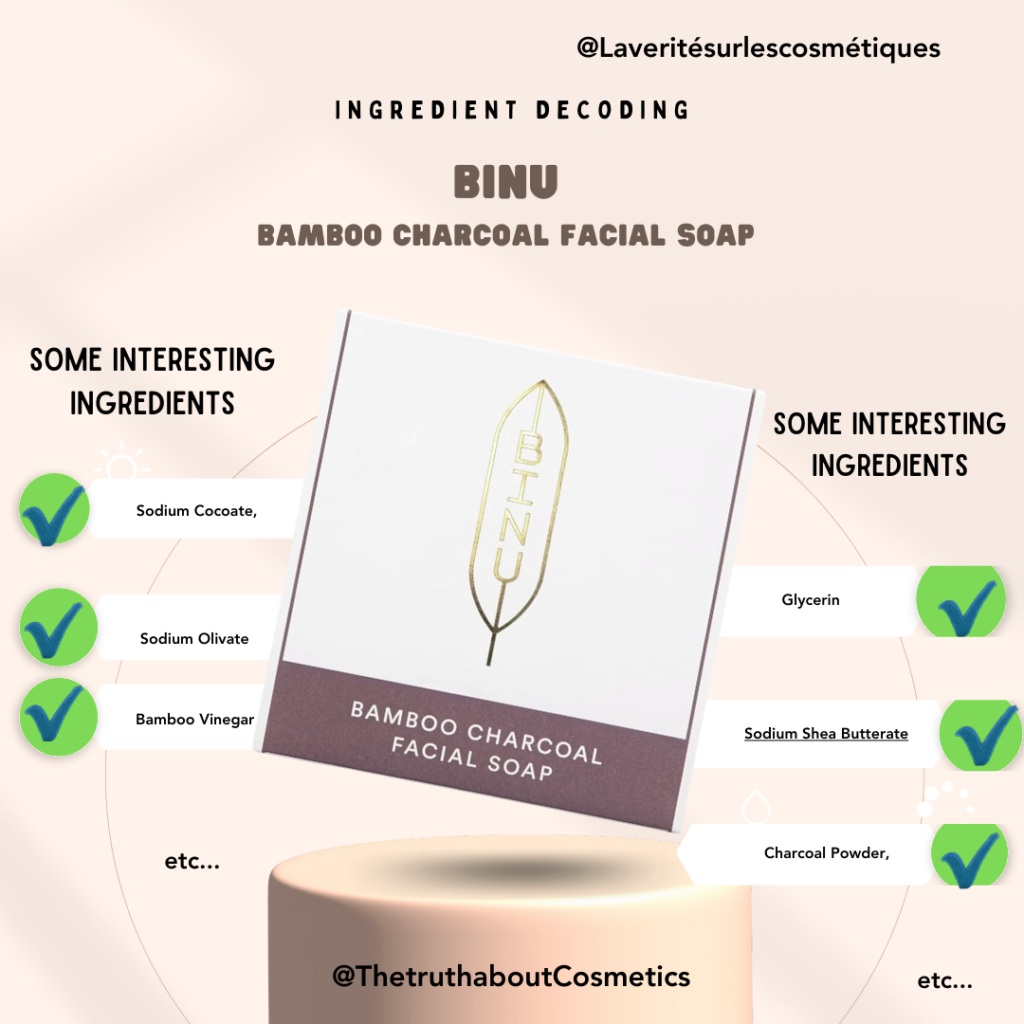
BINU Bamboo Charcoal facial soap
This natural & organic certified Facial Soap doesn’t contain any controversial, potentially toxic or polluting ingredient.
The formula is based on carefully selected botanical, mainly organic ingredients and provides best quality skincare for mixtes skintypes, prone to imperfections – including, for example ingredients like :
- Aloe barbadensis leaf extract*
- Acacia decurrens flower wax
- Acmella oleracea extract
- Secale cereale (Rye) seed extract*
- Boerhavia diffusa root extract
- Algae extract
- Leontopodium alpinium extract*
❓ FAQ – K-Beauty Cosmetic Ingredients
What are the main ingredients used in K-Beauty products?
K-Beauty highlights ingredients such as centella asiatica, ginseng, green tea, rice water, and ferments, alongside commonly used cosmetic ingredients like humectants and stabilizers.
Why is it important to analyze K-Beauty ingredients?
Analyzing ingredients helps verify whether marketing claims reflect the actual composition and understand the role of each component in the formula.
Are K-Beauty products mostly natural?
Natural ingredients are often promoted, but they are not necessarily present in high concentrations within the formulas.
What is the 10-step Korean skincare routine?
It refers to a multi-step skincare approach, but it is not mandatory and can be adapted depending on individual needs.
Are cosmetic regulations the same in Korea and Europe?
No. Some ingredients allowed or regulated in South Korea are banned in the European Union, making label decoding essential.
Related posts:
- How Perimenopause Changes Your Skin — and How to Adapt Your Skincare Routine
- Cosmetic Truth of the Month: GARNIER Ambre Solaire Kids Water Resistant
- SALTAIR Lip Oil Balm: A Closer Look at Its Ingredients and Clean Beauty Claims
- Estee Lauder DayWear Moisturizer Review: What the Ingredient List Really Reveals